Figurative Vs. Abstract

Have you found that using different art styles has different impacts on mood and wellbeing, on mental health? Is drawing a figurative picture more stimulating than painting an abstract, absorbing your mind as you try to represent the subject? Is abstract art more calming and mindful to experiment with? One focus of my Arts Council England-funded development project, Paint Your Mind: Art As Tool, is comparing the mental health impacts of different art styles. So how might figurative and abstract differ?

Photo by Steve Johnson on Pexels.com

Figurative, or representational, art portrays a familiar or recogniseable subject. Pretty well all art was figurative before the late 19th or early 20th century, so it could also be called traditional art. Figurative art covers all genres, such as portraiture, still life, landscape and animal painting.

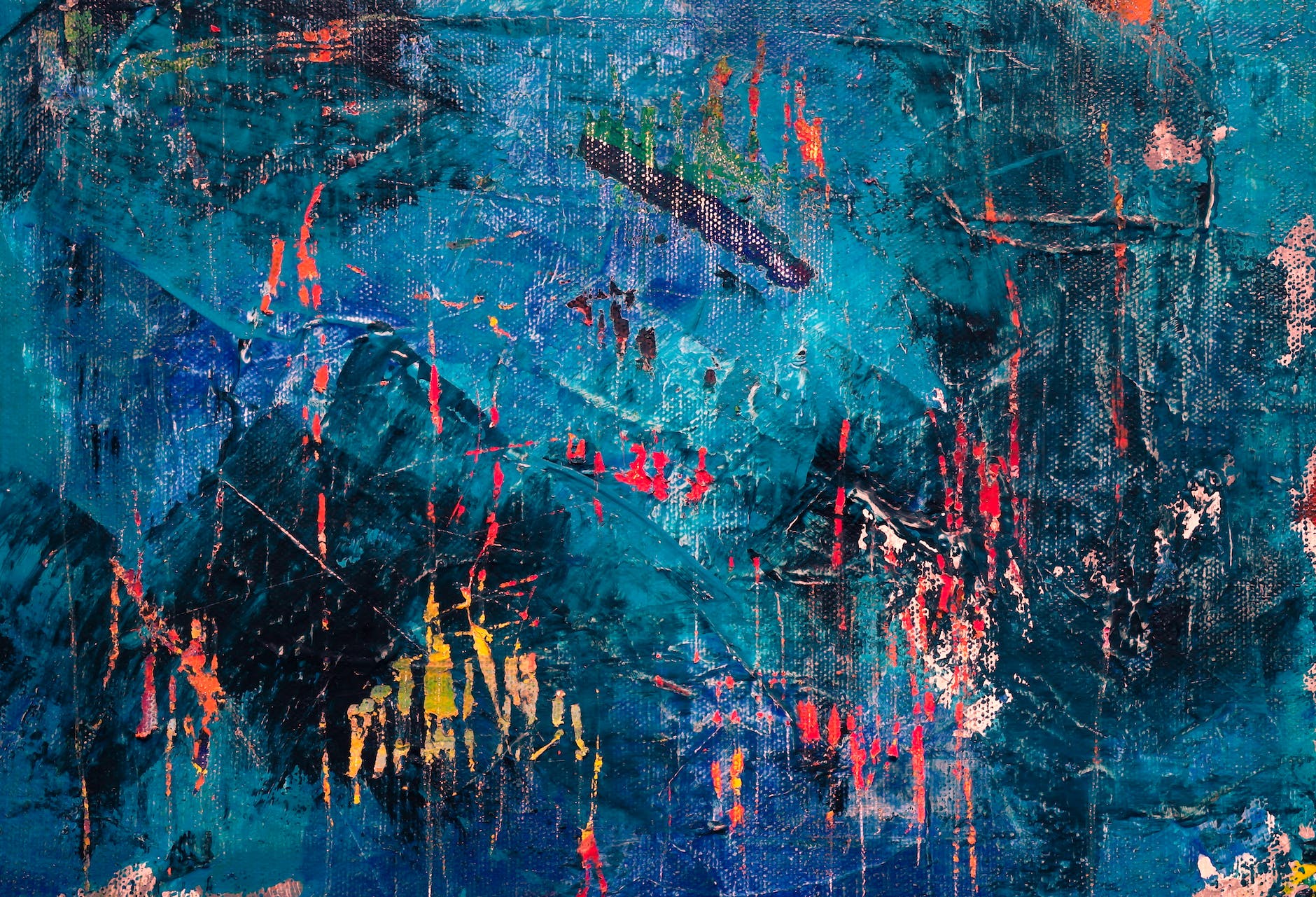
As you might imagine, defining abstract art is rather less predictable and more fluid. Overall, in abstract art, colour, light, line and form become more important than any specific subject matter. But within that there are different thoughts on what classes as abstract. Some believe only colour shapes and patterns class. Then there are paintings which take a figurative subject, only to distort it or use abstract, non-realist colours. What about art movements like Fauvism, Cubism or Dada? Are they truly abstract? Maybe only dripping or splashing paint on a canvas at random is the essence of abstraction.

At the end of the day, all art is about experimenting with colour and line to some degree. But however you might define figurative and abstract styles, they have their own parts to play in creativity. A lot depends on the individual. What is positive about abstract art for one person might be negative for another. Someone who has little confidence in drawing might find abstract art liberating but figurative art nerve-wracking or frustrating. I love drawing, but even so sometimes I prefer to try something experimental – choose a few colours and see what happens. That’s particularly in the evening when I’m tired. But this isn’t to downplay abstract art. In many ways it opens up more imaginative ways to be creative. Simply trying to reproduce a real-life subject might feel uninteresting, whereas creating an abstract image out of your own imagination might be more fulfilling.

Mental health impacts will obviously depend on the mental health issues themselves as well. Abstract art can be fantastic as a creative grounding tool for someone with panic or anxiety issues – creating a colourful pattern to release tension, or colouring geometric shapes as something very ordered and regular and calming. For someone struggling with trauma, guided figurative visualization could help express and think through feelings and responses. In depression, figurative art could open up more of a positive stimulus, easing overthinking as it becomes something specific to focus on – maybe going on to learn more about the subject matter, like a new wildlife species. But coloyr theory could make abstract art too helpful in depression – using bright colours to lift mood and energize.

In February, I’ll be running a new art for wellbeing challenge on this theme – alternating figurative and abstract art – with participants taking part from home in their own time. Starting on 1 February, All Change will run throughout the month. Every other day you’ll receive an art idea by email with example image – alternating between figurative and abstract styles. There’ll also be a private Facebook group where you can share how you get on with other participants (optional). At the end of the month I’ll ask participants which style and which ideas proved most positive. I’m looking forward to learning more!

To sign up go to https://www.eventbrite.co.uk/e/all-change-art-for-wellbeing-challenge-tickets-784434834707

Question Time

What is the best way to use art and creativity to help mental health? Is there even one best way, or are there many, each one as different as the individuals experiencing mental health issues? Is it best to focus on art expressing thoughts and feelings, maybe visualizing a scene or using colour to sum up how you feel? Is it best to try journaling, or to record mood, or sand play? Is it best to draw or paint something totally unconnected with these issues?

Photo by Vitu00f3ria Santos on Pexels.com

So many questions – and every single one opens up another. What about therapeutic models and techniques, such as the Feelings Wheel (used a lot now in schools) or the Therapeutic Spiral Model, used particularly with trauma? What about using famous paintings to open up conversations and reflections on mental health? How can the different arts interlink? How can art interplay with particular therapy and counselling models, such as person-centered therapy or CBT? And is using art specifically to improve mental health entirely different from using art for overall wellbeing? Might the two sometimes be closer than we think?

You might be wondering why I’m thinking about all this just now. I’ve been working as a freelance arts for wellbeing practitioner for over three years now, and I’m about to build on what I’m doing.

A new year can feel like a blank slate. That’s exciting, or daunting – or it might feel like just another day. I always like the idea of a fresh start, even if little changes. This year I am starting something new. I’ve been awarded funds by Arts Council England’s Developing Your Creative Practice Fund, and my development project – Paint Your Mind: Art As Tool – starts on 2 January. Over the next six months I’ll be listening, looking and learning, focusing on how art can help mental health specifically.

As part of this I’ll be running two art for wellbeing challenges, one in February and one in April. But I’ll also be researching how art is used for mental health, and asking for people’s views – participants and also practitioners and counsellors.

So I’ll be asking myself, and anyone who’ll listen, some or all of the questions here. I hope I’ll gain a more solid foundation for my future work. And I hope I’ll develop something new too, in response. Part of my time will be spent creating a body of new artwork to use or mental healtj, like a toolbox or toolkit. What would you create if you were trying to do just that? Probably everyone would go about this differently. I’m feeling my way, and one focus to start with will be comparing figurative and abstract art.

There are so many questions about how art helps mental health, but there are also many questions about mental health itself, and so many different issues and causes and impacts. What helps someone with OCD might be no help for someone with depression, and every person with OCD or depression will respond differently. Yes, it’s obvious, but it needs to be remembered.

Do you have any thoughts on any of these questions? Or maybe you have other questions of your own? It would be great if you’d like to share – just go to Medley’s Facebook group https://www.facebook.com/groups/359291215486002 Thank you. Or email me at medleymusicartnature@outlook.com

At The Grassroots

Another December, another COP climate summit. Every year, as everyone winds down for the Christmas holidays, politicians and negotiators descend on a conference centre somewhere in the world to decide our planet’s future. Or that’s how it seems. I’ve been following these summits for years now. Some feel more hopeful than others, but you never know at the time what will become of all the pledges and agreements.

Photo by Pixabay on Pexels.com

Nature is integral to our day to day living. That might be obvious, but it’s true nonetheless, sometimes in ways we overlook. Yes, we depend on nature’s cycles and systems to breathe, eat, drink. To survive. But we also depend on nature for wellbeing. Working in arts for wellbeing, it strikes me a lot how creativity boosts wellbeing – but all the more when it helps us connect with nature. Painting a tree or drawing a bird or crocheting leaves are absorbing and calming, all the more because they’re an opportunity to be mindful in nature, to observe and to respond to what we see. Many of us find it easier to be mindful and to slow down in nature. So when we feel that nature’s under threat, it can be doubly distressing.

A few years ago I spoke with a small group of students about summits like COP. Soon afterwards I spoke to another small group, this time of adults aged 25-40. It was evident that the students were far more hopeful and positive about the summits than were the older group. We get disillusioned the more missed opportunities we see. But it isn’t always that straightforward. I’m now 40, and sometimes I feel hopeful that real change will be agreed, and sometimes I don’t.

For 15 years now I’ve been part of Green Christian, a faith-based membership organisation. It’s one of hundreds of smaller environmental organisations across the world. But for me this is where a lot of grassroots thinking, change and support happens – in smaller organisations and groups. It feels a lot more tangible and real than remote policy making. It’s all about raising awareness, and drawing in communities, and talking about what inspires us. And being open to sharing how many people feel about the global response – too little, too late.

Yes, climate summits need to happen. Yes, business and science need to develop new technology. But for me, focusing on the grassroots, on small steps, on the everyday and the here and now, is where there’s hope. Experiencing nature up close too is so important: but not all the time dwelling on the threats it is under. Taking small positive actions instead. It’s all too easy for dwelling on negatives to drain energy and sap motivation. Sowing wildflower seeds on a verge won’t halt the climate emergency, but it might help us stay motivated, and so stay in the fight.

What do you think? It would be great if you have thoughts to share. Just go to Medley’s Facebook group https://www.facebook.com/groups/359291215486002 Thank you.

Shining Out

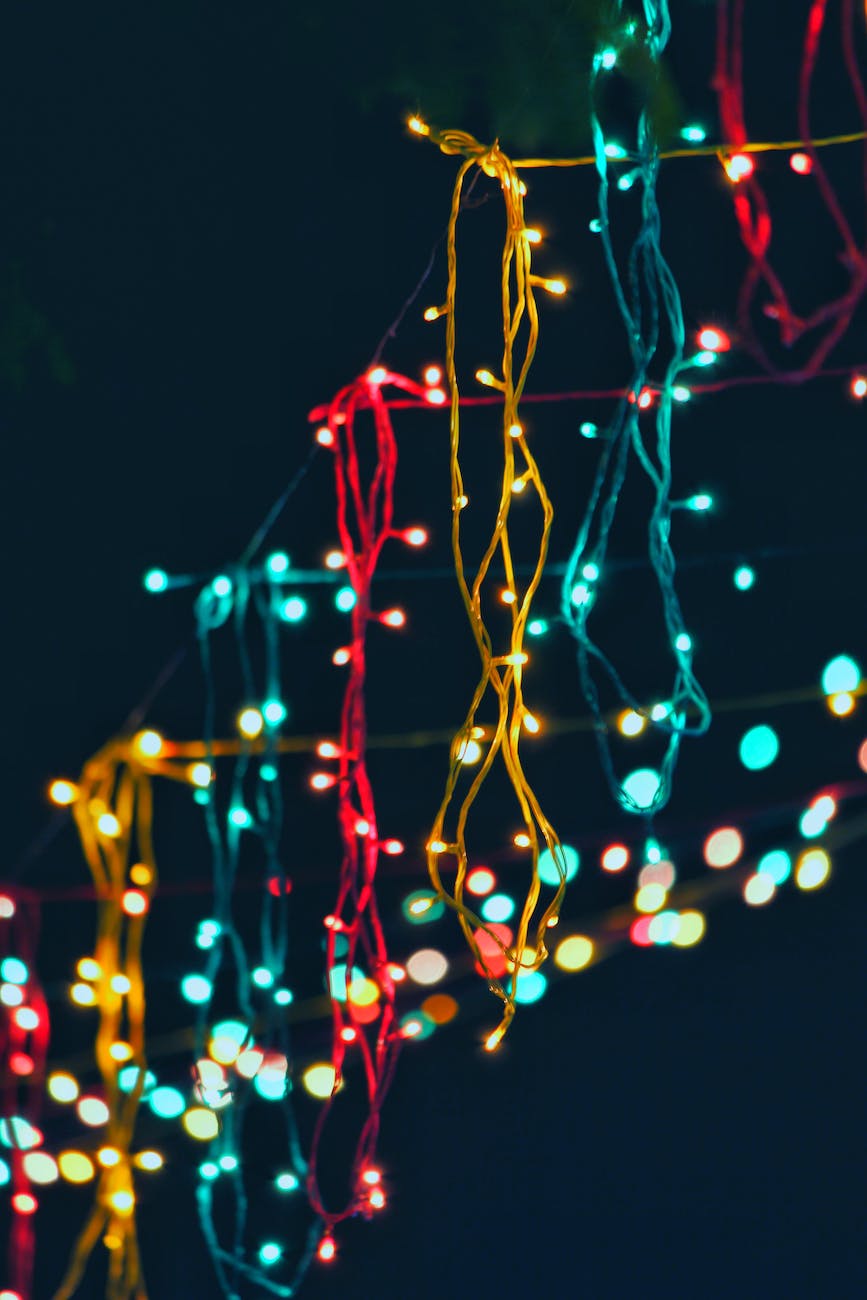
At such a dark time of year in the northern hemisphere, when darkness falls ever earlier each day and we creep closer to the winter solstice, light becomes very precious and very special. So it’s no wonder that so many of us enjoy lighting the darkness, whether that’s with a handful of sparkly Christmas lights in the house or garden, or by walking a light trail.

Photo by Tejas Prajapati on Pexels.com

More and more outdoor spaces and visitor attractions have started creating and opening light trails to the public in the winter months, usually in November and December. Some are run by large organisations, such as the National Trust – as at Belton House near Grantham – or the Royal Horticultural Society – as at RHS Harlow Carr Gardens in North Yorkshire. Others may be privately owned, and some towns and villages have started to encourage local homes and businesses to take part in lighting up as well. They’re all about magic and wonder, infusing some colour and sparkle into the drabness of dark afternoons and evenings. Darkness can feel limiting and negative, while lighting creates interest and life. Light trails look very dramatic, sometimes with trees, sculptures or other art installations back-lit. Imaginative use of light can make even an everyday view look like a stage set.

Light trails may be a more recent addition, but they follow in a long tradition of lighting up for Christmas, like the Blackpool Illuminations, which have drawn visitors from far and wide for generations and still do so today. And more people are now also lighting up their own homes and gardens to raise money for charity.

Darkness can be beautiful in itself. Maybe you prefer to enjoy the darkness and to just go with this time of year. Maybe a starry sky is the only lighting you want to see, although few of us can now enjoy the night sky with no light pollution to get in the way. Maybe you feel more grounded and connected to nature in the winter darkness, seeing this as part of the year’s cycle, a time of rest and renewal before spring opens up. Endless twinkling lights might feel like shutting out nature.

I do like darkness and the night sky, but I like light as well. After all, the very first Christmas was all about light as a star shone out in the sky over the stable. And light trails and Christmas lights can make you notice the darkness all the more, as they draw out and focus on its beauty as a backdrop. Light is proven to ease depression and lift mood, and I enjoy seeing colourful Christmas lights on my road. Last year someone told me about going to a light trail and commented how it made her see lighting itself as an art form. It’s creativity, light and colour on a grand scale, and that has to be positive for wellbeing.

Changing Image

When you photograph, do you ever think how photography can be a tool for change? If photography boosts your wellbeing, do you ever think how it might do so all the more if you used it to lobby, to push for reform? I recently heard about photographer Tish Murtha (1956-2013), who used her cameras to open up lives out of view, on Tyneside, and whose daughter has now made a film about her life and work.

Photo by Marek on Pexels.com

As an arts for wellbeing practitioner, seeing how art and creativity can really boost mood and lift spirits, I usually focus on personal wellbeing itself. Running art for wellbeing challenges and leading an NHS group, I see people share how art relaxes and calms them, gives them something positive to focus on in dark times, a way to have some time to themselves. The experience itself is the focus. But I’m always thinking about different ways creativity can help, different possible impacts and ideas to try. So I respond to the idea that using art – and specifically here photography – to press for change, could also help your own wellbeing. Channelling sadness or frustration can be positive,

After all, depression and low mood have many causes, personal and wider, but issues and news and injustices play their part. I know people who find the news so depressing that they go out of their way not to watch or listen to it anymore, or who need a news fast from time to time. One way the news depresses people is by making them feel powerless. You’re confronted with real wrongs or tragedies or injustice and then left with little or no way to make a difference in response. And obviously with many issues, it’s unlikely you or I will be able to do anything. But people have long found new and creative ways to be heard and seen, to respond, to raise awareness. These imaginative ideas can sit alongside the mainstream, where politics happens. Take the movement to end Britain’s slave trade in 1807. There were meetings and petitions, there was a sugar boycott, there was – finally – an Act of Parliament. But along the way there was a famous image: that of an enslaved man asking “Am I not a man and a brother?” which came to personify the movement. Image, visual memory, can be powerful.

That’s why war art and war photography have had real impact over the years in showing conflict on the ground. And that’s why Tish Murtha used photography to record and share the everyday realities of disadvantaged and marginalized communities in Newcastle and London.

What causes or issues do you think most about? What images could symbolize how you feel about them? Causes come and go, some endure, others fade. The climate emergency has gained ground lately, and the sense of urgency many of us feel could fuel creativity. The struggles of the UK’s NHS could be another inspiration, very close to home. Then there are perennial and vital issues like trade justice and raising living standards across the globe.

Even just thinking what everyday image you could photograph, or draw or paint, to sum up an issue could focus and concentrate your mind. Maybe a clothing label, a traffic jam, or a crowded hospital department. Some photographers travel overseas to record climate change. But we’re all surrounded by images here and now that can show something of what’s happening. And today, sharing and tagging online, maybe on Instagram, X or Facebook can have an impact on a wider audience.

It would be great if you have any thoughts or experiences to share in Medley’s Facebook group https://www.facebook.com/groups/359291215486002 Thank you.

Hello Winter

Winter’s almost here, and researchers at the University of Glasgow have suggested that writing a letter to winter might help us feel less depressed by this time of year. When the idea hit the news recently, some laughed, but others gave it a try.

Photo by Pixabay on Pexels.com

I wonder what you would say if you were to write a letter to winter? Perhaps you’d ask winter to stay away and leave us alone, let us go on enjoying mild days and light evenings all year long? Or maybe you’d ask for a cold, clear winter with snowfall for Christmas?

The idea is that writing a letter helps us think more about winter and may alter our perspective. So I wonder what kind of letter would do that. Would you write a thank-you letter, an upbeat letter, an angry letter or a sad letter? Would you ask winter questions, as if hoping for a reply? Would it be a long letter, as you think through memories of winter, hopes and fears, or would it be a note? Would you call winter names?

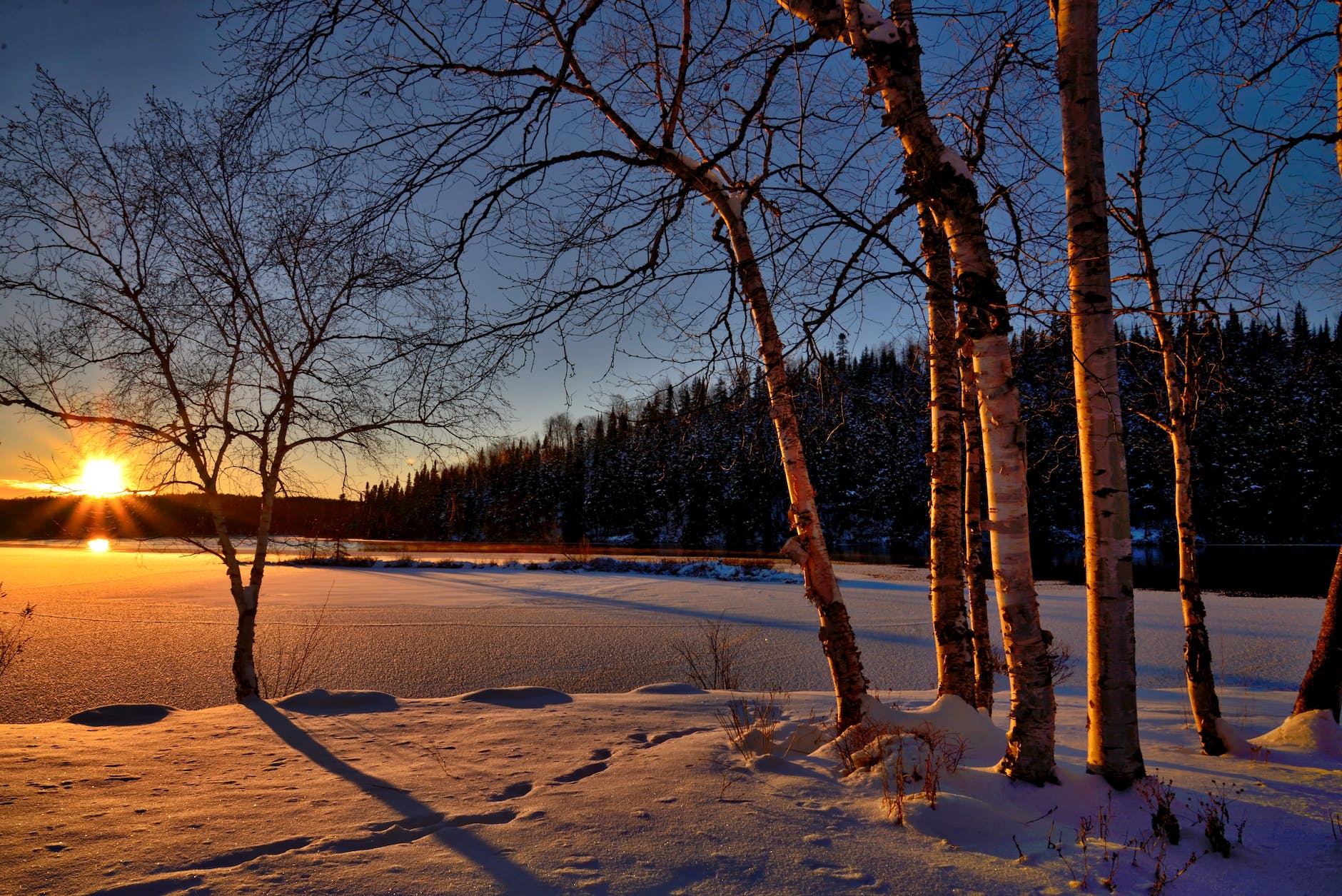
Like many of us, I think there are positives and negatives about winter, and I’d explore these in my letter. I’d tell winter that I like the vivid sunsets at this time of year, when the sky lights up with every shade of red and amber, sometimes at the end of a dark, cloudy day. I’d add that I love seeing bare trees silhouetted against the sky, ivy scrambling up trees – welcome colour – and conifer trees and holly and ivy berries. On winter walks, with less profusion of growth to look at, I like looking more closely at what remains and trying to be mindful. I’d tell winter I like lamp light as the evenings draw in – and that I love seeing those evenings gradually, slowly draw out again as light steals in once December 21 is behind us. And then there’s more time to be spent indoors, painting or drawing or crafting.

So far, so good. But if the letter’s supposed to explore how I feel about winter on every level, I need to be open. I’d have to tell winter how I do struggle with the cold, and sometimes with the dark, and that I feel winter outstays its welcome every single year. A few weeks would do fine! I’d explain to winter how rushing indoors early as the light fades feels frustrating, and how I dislike days of wind and rain all year but all the more when it’s cold too. I’d admit to winter how it limits life so less seems possible and how it feels like a time of waiting for life to start to open up once more in spring.

Maybe it’s worth a try? The idea of writing a letter feels like it personifies winter, gives it a character, which might feel odd – so you could write a journal entry instead. But in a way I think letter writing seems more expressive, more like getting your feelings out into the open to leave them there – even though winter won’t read your letter. Perhaps it helps set aside those feelings, so you can muddle through this time of year.

It would be great if you have any thoughts or experiences to share in Medley’s Facebook group https://www.facebook.com/groups/359291215486002? Thank you.

Building Blocks

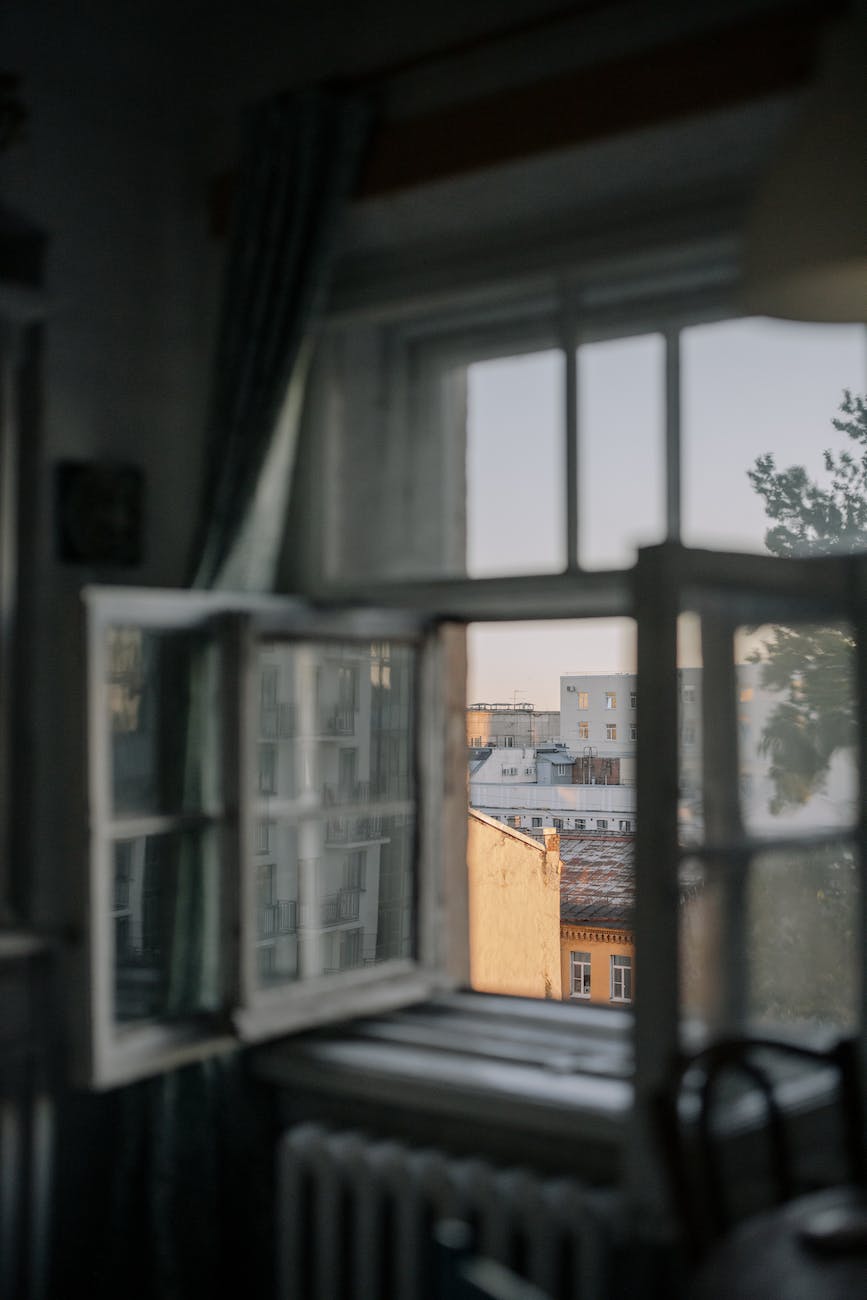
Do you ever think about how the built environment impacts on your wellbeing, wherever you are? It’s so easy to take for granted, seeing familiar buildings and streets, day in, day out, we forget that how they look isn’t inevitable. Whether it’s your house or flat, your school or place of work, your care home, your community centre, or your high street, your built environment matters.

Photo by cottonbro studio on Pexels.com

Living in towns or cities, built environment is obviously ever present. But in rural areas too, it matters. Harmony with the natural environment and with the rest of the built environment is integral, whatever the location. In an urban setting it might be all the more important to integrate design with green space, to ensure there feels space to breathe. The smallest outdoor spaces can be planted up, nature in microcosm.

This autumn the RIBA Stirling Prize 2023 for Best New Building was won by a care and assisted living development in London. The judges cited how the building demonstrated that design can encourage wellbeing and a sense of belonging, and lift spirits. For example, covered walkways were incorporated into the design to link communal areas.

What would you like your built environment to be like? There’s design: every individual building’s design and what it is built with. Then there’s wider layout and overlap with town planning. A particular building might be attractively designed and constructed using sustainable materials, but if the setting is overcrowded then the impact will be less. Issues like traffic flow and air, noise and light pollution are also vital.

Important design features for individual buildings could be creating large south-facing windows to let in sunlight. Then the view through those windows matters too, and could be improved with windowboxes or planters of flowers. Few of us can directly design or build, but interior design can also make a real difference, simple additions like colourful walls or stenciled decoration.

I feel strongly that natural light would improve the interiors of many modern public buildings which can be oppressive and enclosed – these might be hospitals or offices or warehouses.

Built environment also impacts on how we interact with our community, as in the prize-winning complex in London. Spaces for recreation or gathering can help.

Visual impact may be the most obvious overall – an ugly or beautiful building, green spaces, no view. But there are other sensory impacts – buildings and their materials may be noisy or not encourage good air flow or feel too hot or cold.

If the built environment is well designed and constructed, it can make wherever you live or work or spend time a positive place to be – practical, light, colourful, cheerful, open and airy. If it isn’t so well designed, it can be depressing, soulless, inaccessible, overcrowded, dark, stifling. If you’re in that space everyday, or just sometimes, it can sap energy or drag you down. How have you found design and the built environment impact your wellbeing? It would be great if you have any thoughts or experiences to share in Medley’s Facebook group https://www.facebook.com/groups/359291215486002 Thank you.

Warm On The Inside

Do you remember ”warm hubs”? It feels like no time at all since last winter’s issues with fuel poverty and heating, getting through the colder months with the cost of living spiraling. Now we’ve changed the clocks once more, summer has gone and we are into late autumn, and the cost of living is still high. As an arts for wellbeing practitioner, I’m thinking at the moment where arts for wellbeing fit with people’s struggles just to get by.

Photo by Pixabay on Pexels.com

These very struggles obviously impact on wellbeing. It’s not easy to feel upbeat and positive if you’re cold and anxious about bills and the winter’s stretching ahead. And art (or music or dance or any of the arts) have all been proven to help wellbeing. But might they feel trivial and a luxury? To someone who isn’t sure they can afford to turn the heating on, might the suggestion that art lifts mood seem insulting? Or just insensitive? “First world problems” and “nicer problems to have” are expressions that spring to mind. So too is Marie Antoinette’s famous response when told people had no bread to eat: “Then eat cake instead.”

Recently I heard about Bassetlaw Action Centre in Nottinghamshire supplying warm packs to struggling households in this former mining area. The packs contain oil radiators and an electric blanket, to heat rooms at far lower cost. Initiatives like warm packs and warm hubs have started gearing up again for another winter. Organisations like the CAB have announced soaring levels of people requesting financial support or help with mental health – in many places, demand has doubled. The need for mental health care here brought me back to thinking where arts for wellbeing fit in. They won’t fix the cost of living. They won’t literally warm up winter. But all I’ve experienced and seen and heard over three years sharing art for wellbeing with people in different situations has lightlighted one thing. That life with art (or craft or drama or music) is far richer and more colourful and stimulating and satisfying than life without. It isn’t for everyone, but for most there’ll be at least one art form that can enhance life.

People asking for mental health support may have mental health issues because of the cost of living. Practical support with heating and eating will ease these. But the nagging fear will likely remain, and their issues may be deeper rooted. This is where arts for wellbeing can come in, opening up space away from everyday issues. And art can be an economical hobby – drawing with a pencil, or upcycling old fabric scraps to use for craft. You could even try making a draught excluder or knitting or sewing a throw or scarf to fight the cold too.

Wellbeing depends on so many different issues, but confidence, empowerment, inclusion are integral. Feeling excluded, shut out, powerless, unable to do what you want or need to do, all erode mood and wellbeing, whether little by little or all at once. Reducing life to a struggle to feel warm and full shrinks perspectives. Arts throw the doors open wide again.

Into The Woods

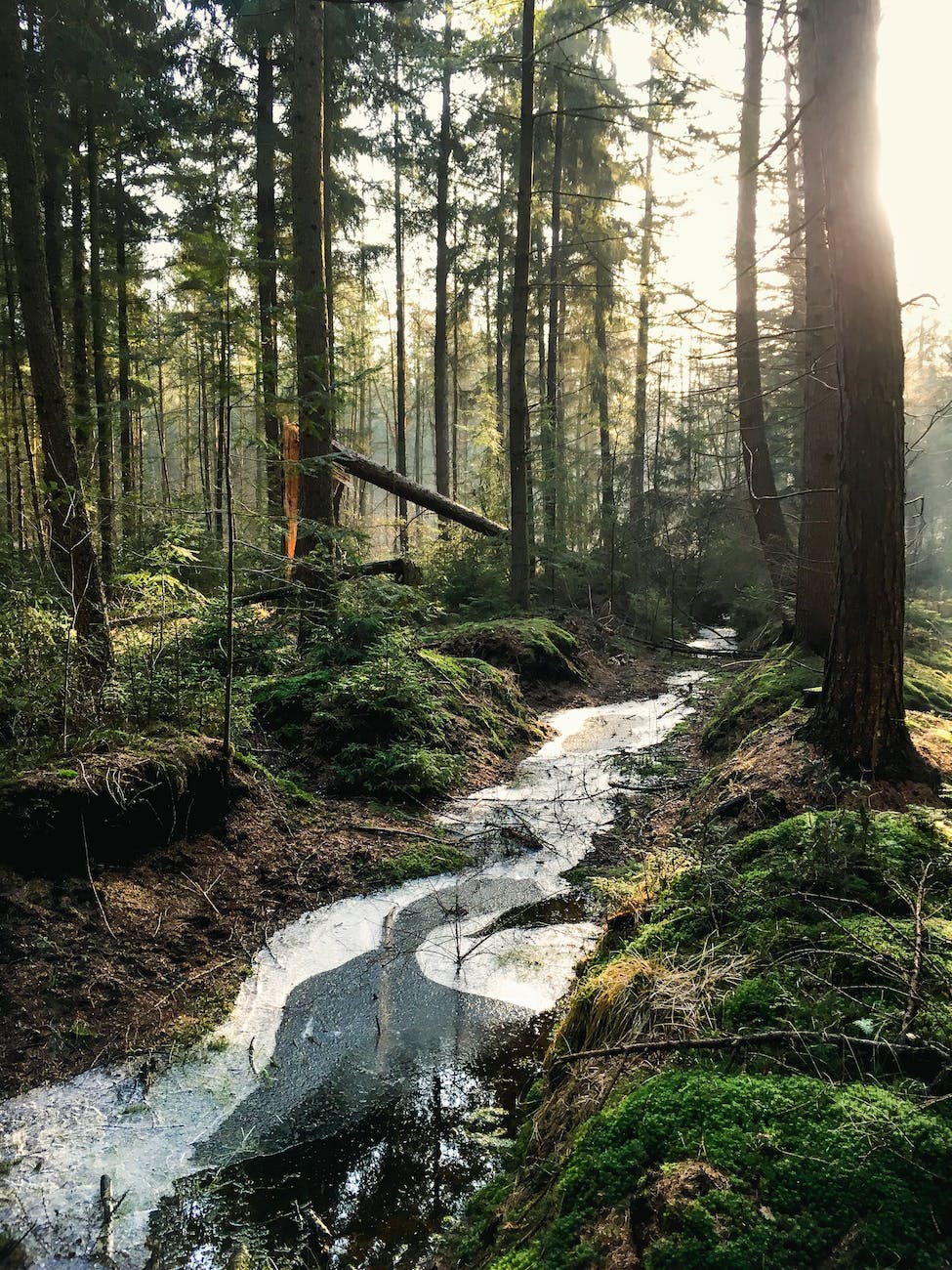
What first comes into your mind when you hear or see the word “tree”? Is it tree bark, gnarled or shiny or covered with ivy? Is it autumn leaves tinting now all different colours? Is it a walk in a wood or a city tree on a crowded street, or a childhood memory of doing a bark rubbing. Free association (seeing what is the first thought a word suggests) is an idea counsellors use to help explore a person’s thoughts and feelings and experiences, and it can be fun for anyone to try.

Photo by Lukas Hartmann on Pexels.com

I think what stands out most for me about trees is their solidity and endurance, how they withstand time and weather and bud again in spring. A cherry tree in my garden has had scarcely any leaves this year, but still it stands.

Of all nature, it’s probably trees and woods that have become most recognized as beneficial to mood, mental health and wellbeing. That’s partly down to research such as Roger Ulrich’s famous discovery of the benefits of trees to patients recovering from surgery, but it’s also down to our own instinctive response to trees. It’s why immersive experiences of nature have become known as “forest bathing” no matter where they take place – as if forests stand for rest and renewal more than any other environment. Is it because they shelter us overhead so we feel enclosed? Is it because we know we depend on trees as our planet’s lungs? Or because they are home to so many other creatures?

The other day I came across wood ants – not for real, but in David Attenborough’s Life in the Undergrowth of 2005. As their name suggests, they live in conifer forests, where they build nests of mounds of pine needles. Each ant is only 8 mm long, but the nests may be 2 metres, as they live in communities of thousands. They depend on the conifer trees for nesting and also for resin and for insect prey. Just one glimpse of the teeming and exuberant life supported by every tree and wood.

Trees have become known particularly as calming, slowing heart rate and lowering blood pressure. But they’re also exciting – gusting in strong winds – and colourful – at different times of the year – and full of life. Trees and woods can be light and bright, or dark places of mystery. No wonder many stories have wooded or forest settings – think the enchanted glades of A Midsummer Night’s Dream, or the forests of countless fairy tales, or the stories of Julia Donaldson for children. But a single city tree can also lift the spirits, a refuge amidst traffic fumes and concrete.

All this is why I’m running an art for wellbeing challenge on a trees theme for the month of November, Into The Woods. Every other day I’ll send out a different art idea about trees or woods, to try from home in your own time (with an optional Facebook group to share artwork). Just go to

https://www.eventbrite.co.uk/e/710328590937

to sign up. Art and creativity can be so beneficial for wellbeing themselves, so hopefully experiencing trees by getting creative could really boost mood, as winter nears.

Ballet Boost

Have you ever thought that ballet might boost your wellbeing? Perhaps you dance, or used to dance. Perhaps you enjoy listening to ballet music, or watching ballet, either live in a theatre or streamed or on TV. For World Ballet Day, I’m exploring how ballet might improve wellness and mood. Why might it do that? In three main ways: ballet opens up space away, fires the imagination, and combines music and movement.

Photo by Pixabay on Pexels.com

Ballet as space away? Most ballets usually have an element of entering other worlds, of fantasy and imagination and dreaming. Costumes, lighting and music combine with the dance to conjure up a new and magical setting and scene. Think Swan Lake – dancing swans, a love triangle, good versus evil. Or Coppelia, where a doll comes to life. Sleeping Beauty is an absolute fairy tale, with a castle, an evil plot and a happy ending. Not every ballet has fantasy about it, but it’s a strong thread running through so many.

Perhaps it fits. Seeing characters dancing, you have to suspend your disbelief anyway – like with musicals, where characters burst into song at any moment. Not an everyday event! Ballet feels like it is set apart, an enchanted world. That lifts the spirits, boosts mood, opens up some time out from the everyday, from routines which might be boring or depressing.

Ballet firing the imagination? Not only is it fantastical, but narrative is so integral to ballet too. It can be wonderful just to watch dance for the movement alone, but the narrative adds drive and purpose. It’s easier to focus on the dancing and lose yourself in the spectacle if you’re following a strong story or plot, wondering how it will all unfold. If you already know the story, seeing how every familiar twist and turn of the plot is presented is compelling. Narrative is known to have real impact on wellbeing, which is why drama, theatre, film and books all draw in such audiences or so many readers.

And ballet combining music and movement? Music’s wellbeing benefits have become well known, the most recognized of all the arts. Music lifts mood, calms, expresses feelings, and can draw out response in people even with advanced dementia, who struggle to communicate. Combining music with movement, then, builds another element into music for wellbeing – whether dancing yourself or seeing others dance, you respond to the music as ballet steps fit the rhythm and mood.

Think about trying ballet for wellbeing – either dancing, or enjoying ballet performed by others. Open up a new space for boosting your mood. It would be great if you have thoughts to share. Just go to Medley’s Facebook group https://www.facebook.com/groups/359291215486002 Thank you.