Complexities

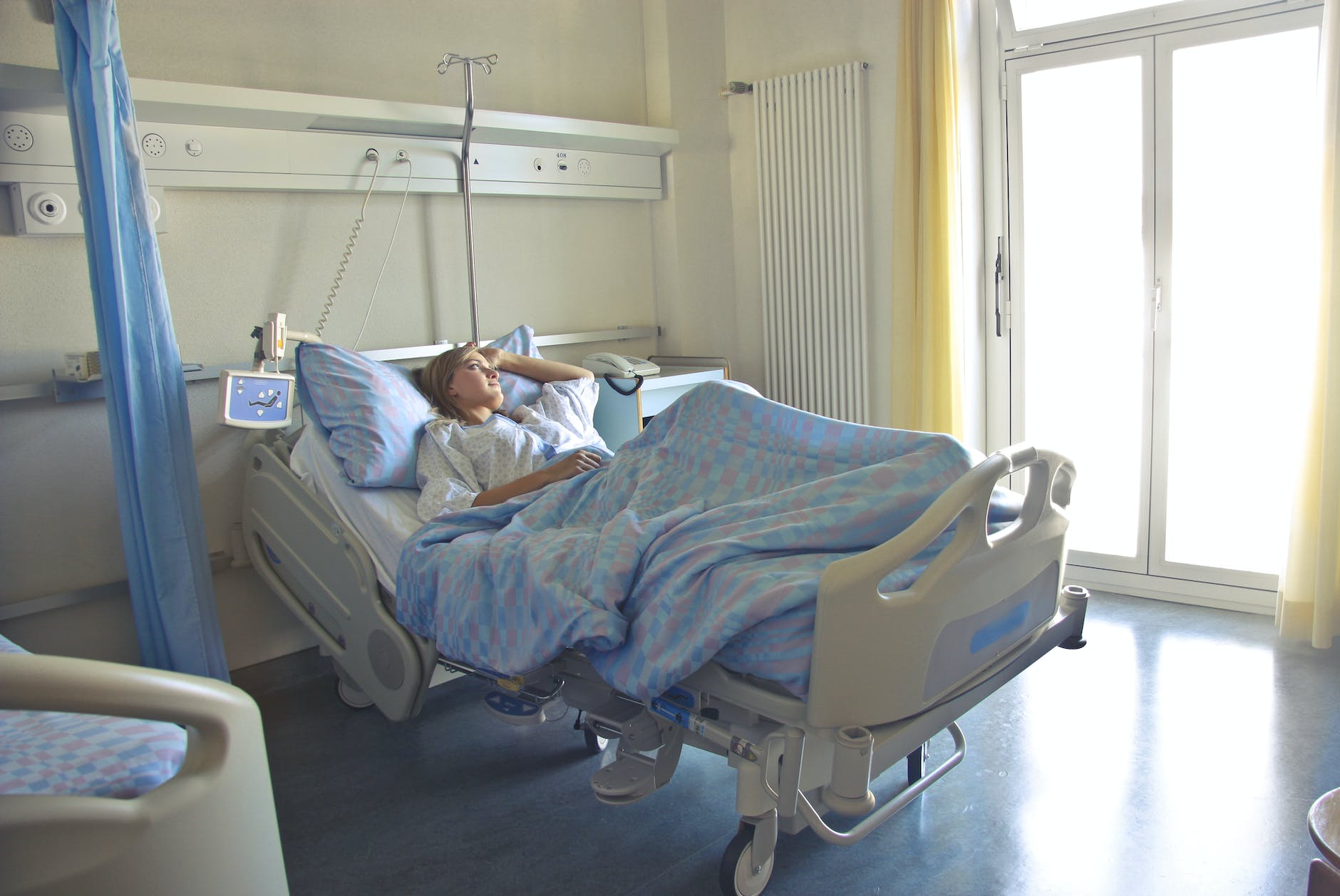
In his BBC Radio 4 series, “Is Psychiatry Working?”, Horatio Clare explores very important questions on diagnosis and treatment. He talks with doctors and researchers, compares psychiatry with psychology, and hears from people with lived experience. He himself has lived experience of treatment for mental health issues, and he draws on this to inform and to investigate further. As the title suggests, the series recognizes that mental health care is not perfect, but it draws out positives as well.

Photo by Andrea Piacquadio on Pexels.com

One difference Clare highlights in comparing psychiatry and psychology is focusing on how people feel and how to treat this, as opposed to focusing on what may have led to these feelings. Another point raised was about diagnosis: not everyone wants a diagnosis. Some people prefer not to know. Diagnosis can open doors, making sense of uncertainty, but it can also close doors, limiting and labelling a patient.

I’ve heard Horatio Clare on BBC radio before, when he made slow radio, walking in the composer Johann Sebastian Bach’s footsteps through wintry German countryside. I also remember a book Clare wrote, retracing the migratory journey of a swallow. Thoughtful explorations of music and nature: two parts of life which have real impacts on wellbeing for many of us.

While one of the programmes in the present series mentioned the use of art and music in in-patient mental health care, it highlighted that first and foremost, medication needs to be in place. And obviously art and music will not themselves solve the issues or replace medication. I feel they can help most with prevention – stopping issues developing so far – or in ongoing “managing” or “living with” issues. Expressing yourself and your feelings through art, or using art as a way to step back from those feelings and set them aside: either way, being creative can become a trusted and familiar outlet, refuge and stimulus. So can music and nature, changing mood. They’re also empowering because they are something you can do for yourself. That matters, when feeling out of control is a major factor in mental health issues.

Another recent BBC Radio 4 programme, The Almanac Of Anxiety, interviewed men living with mental health issues who have found working at The Horticultural Therapy Trust’s garden very helpful. One man had only just been discharged from in-patient care, and had gone straight back to the group.

How our minds work is so complex, that so many different tools and responses can help, complementing one another.

Craft A Way

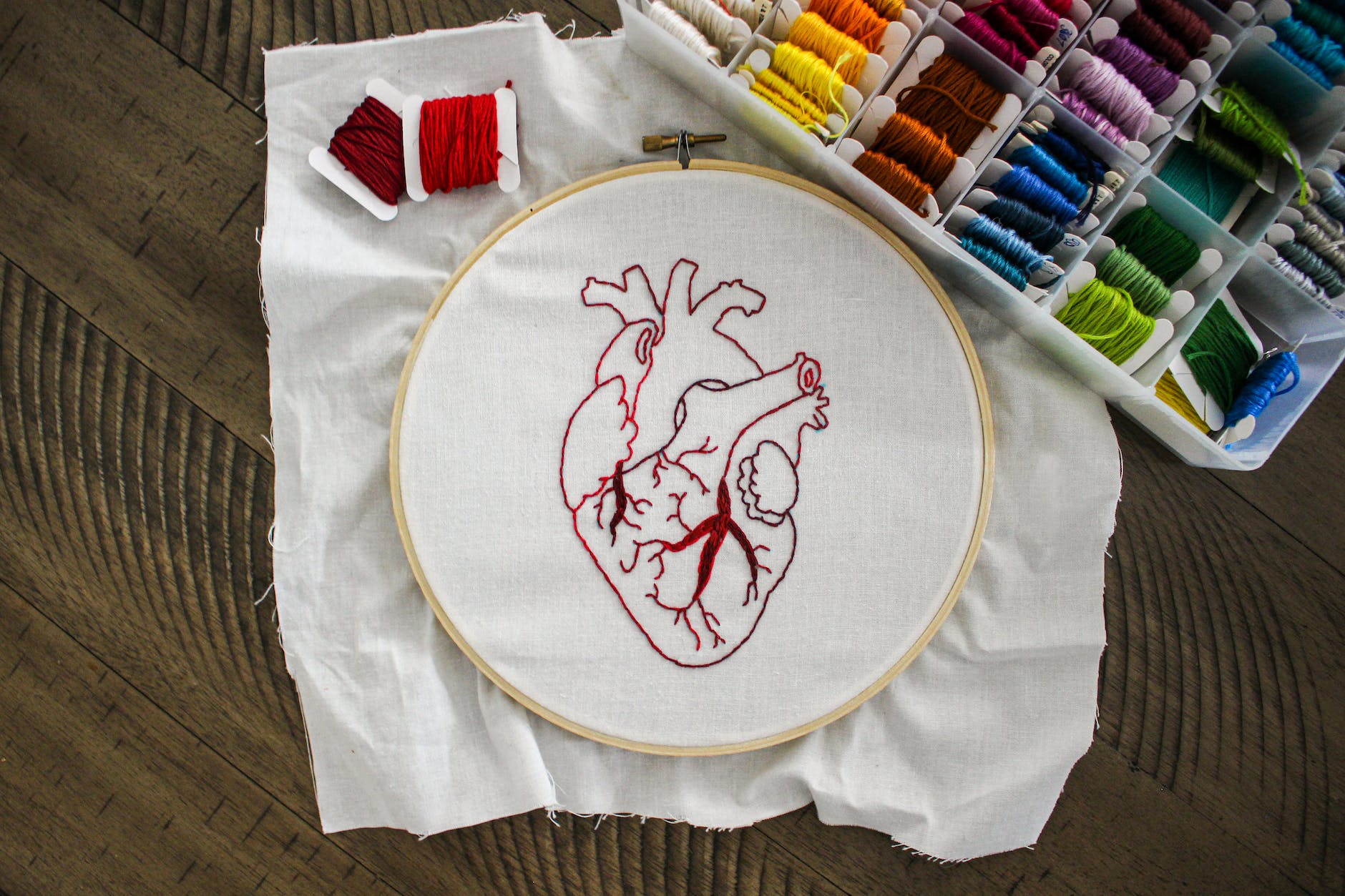
Creativity comes in so many different forms, and some stand out for us in how they lift mood and wellbeing. Art, drawing and painting, have to come first for me, but I have come to enjoy craft as well. I’m newer to craft, so I enjoy the variety and the stimulus, experimenting to see what works and what doesn’t.

Photo by Magdaline Nicole on Pexels.com

Craft is mindful and helpful for wellbeing in two distinct ways, that might seem very different to each other. It demands your full concentration, as you focus on what stitches you’re using or on how you fold or cut or carve or model. That helps wellbeing because it eases overthinking, drives issues out of your mind, opens up some time and space away where it’s the crafting itself that matters. But craft can also – and equally – be helpful because it is repetitive as an activity, where once you get started you go with the flow – knitting, sewing or weaving in particular. Familiar and repetitive activity that allows your mind to wander – whether to daydream and think of nothing in particular, or to mull over and think through issues or concerns as you stitch or knit. Craft’s possible impact on wellbeing is all the greater for having these two different strands, which balance each other. Sometimes one will help, sometimes the other. Or you might feel able to concentrate only for a little time, so focus on getting some stitching underway, then settle into a pattern and let your mind relax.

The more I work in arts for wellbeing, the more I see that, for all the many people who love drawing and painting, there are also many who see drawing in particular as a hurdle. They feel they can’t draw, and this stops them trying art. Craft is another way to be creative, with no drawing needed! But craft itself can feel daunting. It can be fiddly and messy, and you might think you need a lot of materials and equipment. I think this deterred me from trying more craft earlier. Now I try to simplify wherever possible, and upcycle everyday items like old fabric I might have.

All creativity is satisfying and productive, and craft can be all the more so because many of the items can be of practical use. You might sew or knit clothes to wear or toys to play with or make bags or jewellery, so it might feel more purposeful.

I also like craft ideas that don’t take too long, as some crafting can be time-consuming. I enjoy doing some art or craft every day if I can, so I’m more likely to fit quicker ideas into my life.

So far all the wellbeing challenges I’ve led have focused on art. But this autumn I’ve decided to combine art with craft for my new challenge 30 Days Of Creativity: A Wellbeing Challenge For September. Art and craft ideas will alternate through the month. People will take part from home in their own time – each day they will receive by email an art or craft idea with an example image as a guide, and there’ll be an optional private Facebook group for sharing. To sign up go to

Well Climate

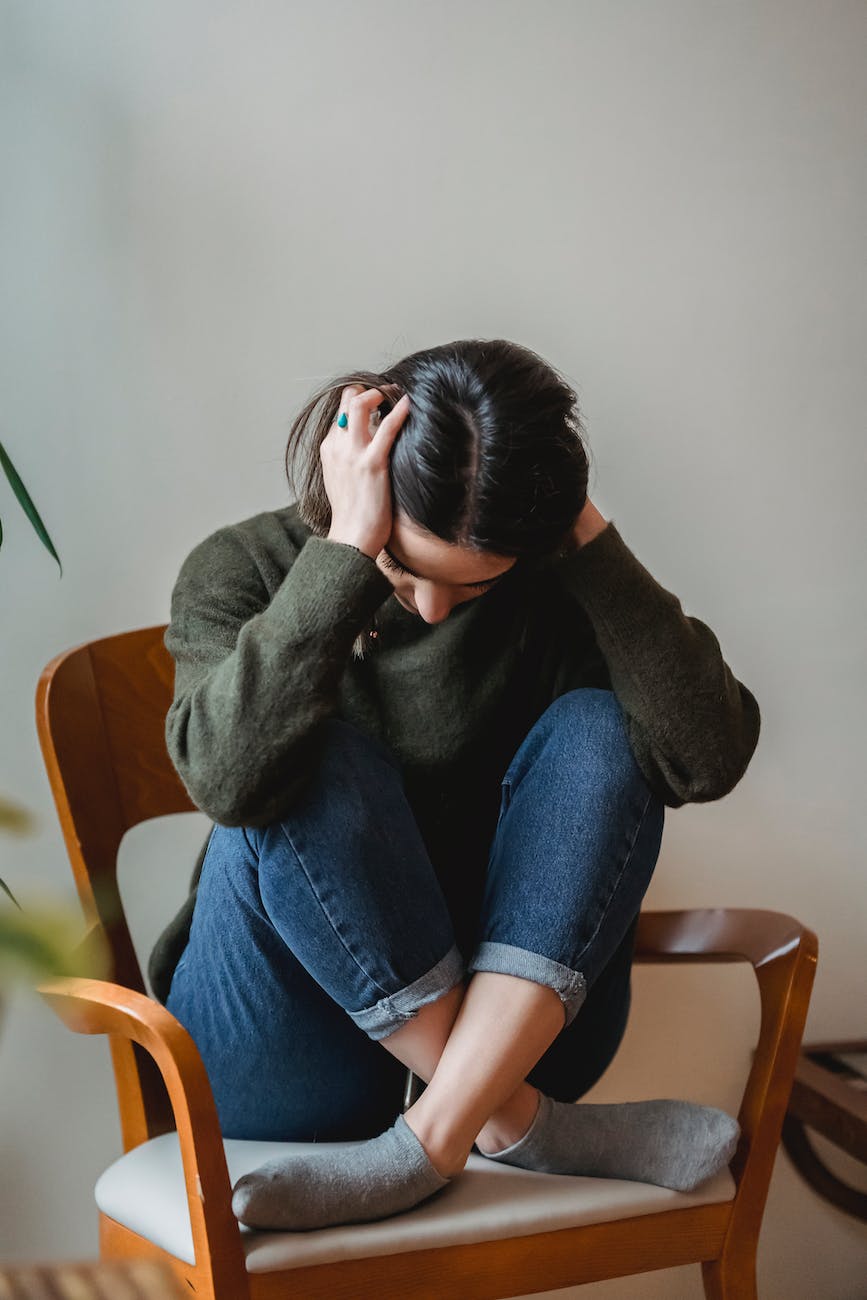
With the news that July was globally the hottest on record, the changing climate is once more headline news – for a time. Suddenly expressions like climate emergency feel tangible, particularly with news of fires and floods. These headlines may or may not spur political action, but one impact is clear. Like other news events, the climate emergency is fuelling anxiety, depression and other mental health issues for many people.

Photo by Liza Summer on Pexels.com

Many of us feel disillusioned by the slow responses of governments and businesses. For some people, this will go further. They may feel overwhelmed (by the scale of the emergency), powerless, fearful for the future. Ecogrief has become a familiar experience, a form of bereavement, mourning the loss of biodiversity or of a more stable climate.

Would you call what you feel, ecogrief or eco anxiety? Combined with strikes, the cost of living and conflicts & unrest across the world, I know some people now avoid the news wherever possible,

The focus of my work as an arts for wellbeing practitioner is to share art, as well as music and nature, to boost mental health and wellbeing. When issues like the climate emergency and ecological decline so damage wellbeing, how might art, music and nature help? Not simply as a distraction, burying heads in the sand, but as a way to think through your responses so you might harness how you feel to act positively.

Art could help express feelings of fear, anger or sadness. Drawing, visualization and journaling are all powerful mental health tools, a way of setting down on paper or canvas how you feel. You could share your climate art with others or use it as a way to explore how you feel on your own. Visualization might be particularly useful. Visualize a scene you know, maybe a local street or green space. Draw or paint the scene as it is and then again as you would like it to be. You could draw this as a ground plan or map. Think about what would need to happen to turn some of the ideal into reality. Or try word pictures – write down words about climate or environment or government responses in different colours, sizes and fonts to express how you feel about them. Or make a thoughts tree – draw out a tree trunk and branches, then separately cut out some leaf shapes and write on them thoughts or prayers about the environment and stick them on the tree. You could add different ones over time.

Art boosts wellbeing partly because it is productive and active. You could use it to practically lower your environmental footprint too, by upcycling old everyday items to make greetings cards or clothing.

Music is another expressive art form, conveying mood, giving form to feelings. Listening to music that it angry, loud, combative, could match your mood. If you yourself play music or sing, try improvising music or writing songs to express how you feel about climate.

Connecting with nature could also help as a productive activity, like art. Time spent in nature could feel too painful, as enjoying being outdoors amidst trees and plants only highlights all that is under threat. But taking part in some specific initiative, like tree planting or maintaining a community green space, could be a positive. The immensity of the climate emergency can make these feel insignificant, but they can all play a part here and now, and counterbalance feelings of powerlessness and frustration which drain momentum.

Like any form of bereavement, eco grief may feel very different from one day – or hour – to another. And like any form of anxiety, eco anxiety will ebb and flow. Just sometimes, nature or music or art might help.

Goal

As the women’s football World Cup starts today, this summer of sport is well underway. And linking sport with wellbeing, the other day I discovered the On Course Foundation, which gathers together former military personnel to play golf. Some may have physical injury or disability, some have mental health issues such as post-traumatic stress disorder. Playing golf together, they have an opportunity to enjoy sport and a feeling of community, to share and support.

Photo by RF._.studio on Pexels.com

Have you heard of CHIME? It’s a framework overseen by The Recovery College, an NHS mental health initiative, which sets out 5 important factors in wellbeing. They are connectedness, hope, identity, meaning and empowerment. Thinking about sport and fitness, they fit all five.

Sport unites, and builds connections. Playing in a team together, or running in a group event like the phenomenon that is Park Run, people can feel part of a community with a common aim. Watching sport too is about connecting. Many sports fans watch together and enjoy the crowd experience.

Sport is built on hope: of winning, of a personal best, of getting fitter, of seeing your team triumph. Hope comes on all different levels, and spurs people on to go on trying.

Sport is an important part of people’s identity. Supporting a team makes fans feel part of a group or family, through the highs and lows, and it becomes a major part of who they are. So does playing sport, or exercising.

Sport gives meaning to everyday life and routines. Training, dreaming, working towards an aim can help bear the humdrum.

Sport is empowering because it can be satisfying, boosting confidence and self-belief, setting challenges and seeing them through. This is equally true whether you try armchair aerobics or run ultramarathons. The challenge is personal and specific to you. Confidence is so integral to wellbeing .

The CHIME factors all feed each other and are interconnected. One way I believe sport and fitness help wellbeing is by encouraging people to spend time outdoors, in the fresh air, in the elements of sun and wind, being in green spaces. That can create meaning, and is a form of connectedness – connecting with nature. Another major benefit has to be focusing the mind. Playing a game or exercising requires real concentration, being in the flow, so that overthinking falls away for a time. This could create empowerment or meaning.

Sport and exercise are also a fantastic wider stimulus. I enjoy drawing and painting sportspeople in action. I like the challenge of recreating with paper and pen the feeling of movement as a sportsperson turns or kicks or leaps. This too is empowering and connecting from afar.

It would be great if you have thoughts to share. Just go to Medley’s Facebook group https://www.facebook.com/groups/359291215486002 Thank you.

Health Check

With the NHS turning 75 – a milestone that has set the UK talking once again about the merits of this national institution – it’s as good a time as any to think about how the arts and healthcare overlap, and how they might overlap yet more.

Photo by Jonathan Borba on Pexels.com

The NHS is struggling – still fighting back after Covid, while strike action drags on and redoubles. But it’s at this very time that the NHS has rolled out new, innovative models for sharing arts and other activities with patients, through social prescribing and community health groups. Weaving activities into the fabric of community care is a very positive way of sharing their benefits. It’s a holistic, whole-life model where healthcare’s role isn’t limited to medication and surgery. It’s about going beyond and connecting on different levels. And it widens awareness and participation. I’ve seen how people who would not seek out activities for themselves will take part if it is recommended or led by healthcare providers they trust.

Placing wellbeing at the centre of care has real scope. How might it grow still more? One area is staff support. I’m hearing more and more how many NHS staff have emerged from the pandemic not only exhausted but traumatised by what happened. Using creative therapy with staff could help – particularly ideas which require little time, for the time-poor.

Creative activity ideas could also be available in waiting areas. As patients anxiously wait for appointments, an activity like colouring could relax them more than staring at a screen.

Art and craft could enhance the design of many healthcare spaces as well. So many hospitals in particular look so clinical, bare apart from signs, with harsh lighting. More visual stimuli could make them feel more familiar and welcoming, and give more to focus on – colourful photographs, paintings or word art. These need only be simple and low-cost – or they could be top contemporary art, as provided by the charity Paintings In Hospitals. Either would work.

Another possibility is more use of the arts to express the trauma of illness itself. Encounters with the NHS may turn out reassuring and helpful, but there’s usually an element of trauma in any experience of ill health – pain, fear, frustrations. Initiatives do exist focusing on this specific area, like art therapy or art for wellbeing for peope undergoing cancer treatment – but there’s space for these to expand more widely, and to use different approaches – one-to-one or group, but also activity ideas for people to take home and reflect on and use in their own time.

Do you have ideas, responses or experiences to share on arts and healthcare? Just go to Medley’s Facebook group https://www.facebook.com/groups/359291215486002 Thank you.

Moments That Matter

How many photographs do you take in a day, or a month, or a year? Today is National Camera Day. Now that so many people have phone cameras in their pockets or bags 24/7, photography has obviously soared – and this has an impact on how we experience the world around us. It might make you more attentive, more observant, as you look around for what to photograph, or look back through old photos, or get memory alerts of what you took this day last year and so on. Mindful photography is a growing phenomenon as well, encouraging people to truly look, see and notice as they photograph.

Photo by Kerde Severin on Pexels.com

I think photography can be particularly positive because it’s active, so it’s a way of engaging with what we see, an opportunity to connect and respond. I know I find engaging actively and trying to be creative boosts my mood a lot more than looking and hearing and being receptive.

The other side of the coin is that photography may become so everyday that it loses its power to excite and uplift. As hundreds of phtos build up on your phone you may rarely look back at them. I also think thre was something special about print photos to hold and display. Someone I know looks back each year through the photos she has taken that year, and chooses 50 or 100 to print out in a photo book. I like that idea.

I’m not a skilful photographer. I enjoy looking around and thinking how I might photograph from unusual angles, silhouetting a plant against the sky or photographing from a low viewpoint. But the shot usually turns out underwhelming. That luscious cherry or delicate poppy flower just looks insignificant on screen! But when I suggested macrophotography of plants as one of the daily ideas to participants in my art for wellbeing challenge run for the month of June, people responded enthusiastically and shared beautiful shots. It’s clearly a very positive artform.

Why do we have this instinct to photograph what we see? It’s wanting to engage and respond. It’s about sharing experiences with others, maybe on Facebook or Instagram. And it’s all about time and memory – trying to hold back time, and gathering memories. That isn’t just family or holiday photos, but taking any little moment out of time: a classic car you see passing, a pizza you’re baking, or a new purchase you’ve made.

It’s trying to hold on to time even as it evades our grasp, like sand trickling through an hourglass. But it’s a happy move. It makes the moments matter, and that can lift mood most of all.

Today, on National Camera Day, or whenever you read this, make your photographs count. Think, engage, look back as well and notice what you might have missed. Try photographing from different angles, or photograph one subject – like a houseplant or garden plant – at different times of day in different levels of light or with different backdrops.

Maybe you’d like to share any thoughts on how photography impacts your life in Medley’s Facebook group about art and wellbeing, Think Art – go to https://www.facebook.com/groups/244072321150998

Upbeat Downbeat

This week sees the longest day and midsummer, but also Make Music Day. This is a chance to do just that – to play around with sound and to make music, on your own or with others – but also to think more about music and its role in our lives, whether or not we make music ourselves. I never progressed far at all with violin or guitar, and only fared a little better with recorder. Yet music is part of my life. I listen to music every day. Not for long – I like and need silence. But I also like music and the different moods it can awaken in just a few notes.

Photo by Barthy Bonhomme on Pexels.com

Which music genre do you turn to? I like different genres at different times – songs from the shows, dance, soul, classical. The other day I heard that streaming is making music tastes more eclectic and varied. It’s boosting classical music listening. Streaming makes it so easy to try out different music styles that people are more willing to think widely.

I’ve heard other new research into music tastes and habits too. Another positive discovery was that more younger people now attend classical music concerts. 20-29 year olds in the Royal Opera House’s audiences have doubled since 2020. Classical music audiences overall have also become more open to new music by contemporary composers, not just the traditional repertoire.

How do you reflect these changes? Is streaming widening your listening habits? Do you enjoy new classical music?

Not all the news is good. First, concert-going. It’s great that younger people are going to concerts, but overall classical music audiences have fallen by 65% since 2020. I wonder if this is partly Covid’s impact – thinking more about infection, and also changing habits – as well as now the cost of living. Then there’s music education. Uptake ofgraded music exams has fallen considerably, and a third fewer students sat A Level Music last year. Fewer than half of state schools now offer A Level Music.

Yes, this is a wellbeing blog, about how music, art and nature can help wellbeing. It’s not about the wellbeing of the music sector! But knowing how important music is for our own wellbeing, it’s vital that music-making thrives, rather than declining. Encouraging people of all ages to play and experiment with music matters, if we are to go on having this store of riches to draw on for wellbeing. Moreover, many orchestras and music groups now run wellbeing initiatives, sharing music’s benefits. While this will allow ensembles to diversify away from performance alone, it could also be threatened if orchestras and music groups struggle to survive.

It would be great if you have thoughts to share. Just go to Medley’s Facebook group https://www.facebook.com/groups/359291215486002 . Thank you.

Calming Calligraphy

Just like mindful sewing or colouring, calm calligraphy is growing as a wellbeing activity. When the printing press was invented centuries ago, people feared the end of handwriting and handwritten lettering like calligraphy. Now we are in the digital age, calligraphy really might have become a dying or lost art. But it is alive and well, seen in many different styles and forms. Sometimes black lettering alone, sometimes decorated with colour letters or illuminated borders.

Photo by Miguel u00c1. Padriu00f1u00e1n on Pexels.com

One way calligraphy is known to help wellbeing is by training the mind to focus and concentrate on the page before you. Is concentration something you struggle with? Or perhaps you are a very focused person. I usually concentrate well on what I’m doing, but sometimes I can be easily distracted. And in the past I have experienced how anxiety can erode concentration, leaving you unable to focus for long on anything other than the anxiety itself.

Concentration is so important in stilling and slowing our racing minds. Maybe the speed and pace of 21st century life make calligraphy particularly inviting. It takes us back to a slower way of living, when scribes painstakingly wrote books out by hand. For us, copying decorative lettering or simply experimenting with pen and ink for a while can slow us down, instilling in us a new outlook on life – seeing that creativity is worth waiting for, taking time over.

And calligraphy can create a feeling of order and harmony, all fitting into place. Writing out even, balanced lettering with not a single stroke of the pen or rush out of place is satisfying and can clear your mind.

There are sometimes physical health benefits too. Older people or people with some health issues have found that calligraphy can ease aching joints in their hands. It’s a way to exercise and stretch hand muscles as well.

Calligraphy might seem too exact to be calming, as you stress over a misplaced letter or feel frustrated by a spoiled page. It could be nerve-wracking. But I’ve thought this about zentangling as well, and I know many people find even the most intricate zentangles very calming to do. It’s clearly the very demands of calligraphy and zentangling that help ease overthinking by taking over the mind to such a degree.

And there are all different possibilities with calligraphy – using letter stencils for a change, trying different pens or brushes with bottled inks, or using different lettering styles and scripts. You might like decorating initial letters by adding colour or entwining flowers, leaves or other motifs around the letters. You might gild your work with gold pen or ink. You may find that copying lettering is the most relaxing, or you may like to add colourful borders and motifs to “illuminate” your calligraphy, as it is called.

Do you find calligraphy calming? It would be great if you have thoughts to share. Just go to Medley’s Facebook group https://www.facebook.com/groups/359291215486002 Thank you.

A Secret Garden

Thinking about how and why gardens can be so helpful for wellbeing, I lifted down from my bookshelf a little book of quotes, “The Joy of Gardening” edited by Eileen Campbell (Headline, 2009). Flicking through its pages, some common threads started to dstand out: gardening as a mindful and joyful activity, a way to experience nature on the inside, and a feast for the senses. Would you echo them? A garden is without doubt many people’s happy place. They like nothing better than to spend hours outside, sowing and planting, watering and tidying. For them, the garden is an island of calm, a haven, a refuge. I know some people who also have allotments, to have even more space to experiment.

Photo by Deeana Arts on Pexels.com

In the book’s introduction, the editor suggests that gardening helps wellbeing partly by developing in us particular qualities – such as attention, patience and trust. That’s an interesting angle – gardening becomes character development! Not only training plants, but personalities too!

Yes, gardens encourage attention, that is, being attentive in the moment, noticing. The painter Georgia O Keeffe wrote about looking closely at a flower so that it becomes the world to you for a time. And as the poet Amy Lowell wrote: “Sunlight/Three marigolds/And a dusky, purple poppy-pod-/ Out of these I made a beautiful world.”

For many people this mindfulness comes not only from looking at the garden’s beauties but also from the sheer menial tasks themselves, pruning or clearing weeds to clear the mind as well.

Now that I’ve read about gardening fostering patience and trust, I agree. Planting bulbs requires patience, with a long cold winter ahead before any flowers emerge. And the garden designer Gertrude Jekyll wrote: “A garden is a grand teacher. It teaches patience and careful watchfulness.”

Why should qualities like patience and trust and attentiveness help wellbeing? Think about their opposites. Impatience fuels frustration. Lack of trust can lead to lack of purpose. And struggling to concentrate and attend shuts out what is all around.

Here’s another quote about gardens, going a step further, by the American writer Ralph Waldo Emerson: “All my hurts my garden spade can heal.” Do you agree with that one? I’m doubtful about the word “heal” here – but “soothe”, yes.

Gardening can also ease restlessness and develop contentment. I loved this quote from Antoine de Saint-Exupery’s The Little Prince (which I’ve never read): “’Men,’ said the Little Prince, ‘set out on their way in express trains, but they do not know what they are looking for. Then they rush about, and get excited, and turn round and round. And,’ he added, ‘it’s not worth the trouble…what they are looking for could be found in a single rose.’”

I enjoy gardening – it’s elemental, practical, productive. Ilike following the cycle of the year as it unfolds. I also like drawing and painting what grows and lives in gardens, and it’s doing that I most focus on nature. For the month of June I’m running a daily art for wellbeing challenge called A Secret Garden – to sign up go to

https://www.eventbrite.co.uk/e/a-secret-garden-tickets-629287163847

The challenge’s title refers to art and to gardens as a haven apart. But it’s also a nod to the classic story The Secret Garden by Frances Hodgson Burnett, which celebrates how gardens can restore us, as we in turn restore them.

Places Of Hope

How do you feel on entering a cathedral? You might feel awe, wonder, discovery or excitement. It might feel familiar or unfamiliar, welcoming or daunting. Some people going into a cathedral will have faith, some will have little or no faith, others will be wondering or seeking.

Photo by Pixabay on Pexels.com

Thinking how cathedrals might be places of wellbeing, I think about them as multi-sensory. Evidence is growing that multi-sensory stimuli are the most beneficial, drawing different senses into play. Exploring a cathedral can do just that. There’s the sight of stained glass, screens, fabric, stone, brass and wood. There are the sounds of the cathedral organ, or of a choir singing, or of someone praying or talking as they lead worship. There’s the feel of the many materials in the cathedral. From stone walls to wooden choirstalls. Experiencing a cathedral on many levels like this deepens its impact: there’s so much to focus your mind.

A cathedral might feel like somewhere enriching, set apart, a place to think and be. A place that lifts mood. With most cathedrals in city centres, they can feel like islands of calm, a refuge from the crowded streets outside as heat and noise recede. But they can themselves be busy and full of life, as people gather to worship or as a tour group streams through. Some people respond to a cathedral’s vast scale, which feels uplifting in itself – although to others this may feel overwhelming.

Wellbeing is central to the good news cathedrals exist to share: hope, life, forgiveness, trust, good. And more churches and cathedrals have become active in specific mental health and wellbeing work as well, in their local communities, sometimes using the arts – such as a photography initiative in which Gloucester Cathedral took part.

Stained glass has to be the artform that most lifts my mood when I go into a cathedral. Glowing, rich, deep colours cast reflections on the walls and floor. The use of black lead to divide the windowpanes enhances the colours so they stand out boldly. Some stained glass is abstract, whether rose windows designed centuries ago or contemporary glass. But most tells a story, records events, recreates a scene, sometimes portraying a sequence of events as a story unfolds. Cathedrals also come to life when music plays (maybe quiet and reflective, or raising the roof with great acoustics) or bells ring the hour.

A different kind of cathedral is the Whipsnade Tree Cathedral in Bedfordshire. This is an outdoor site with trees planted to form a leafy “cathedral” nave and chancel.

Have you found a cathedral to be a place of wellbeing? It would be great if you have thoughts to share. Just go to Medley’s Facebook group https://www.facebook.com/groups/359291215486002 Thank you.