A Secret Garden

Thinking about how and why gardens can be so helpful for wellbeing, I lifted down from my bookshelf a little book of quotes, “The Joy of Gardening” edited by Eileen Campbell (Headline, 2009). Flicking through its pages, some common threads started to dstand out: gardening as a mindful and joyful activity, a way to experience nature on the inside, and a feast for the senses. Would you echo them? A garden is without doubt many people’s happy place. They like nothing better than to spend hours outside, sowing and planting, watering and tidying. For them, the garden is an island of calm, a haven, a refuge. I know some people who also have allotments, to have even more space to experiment.

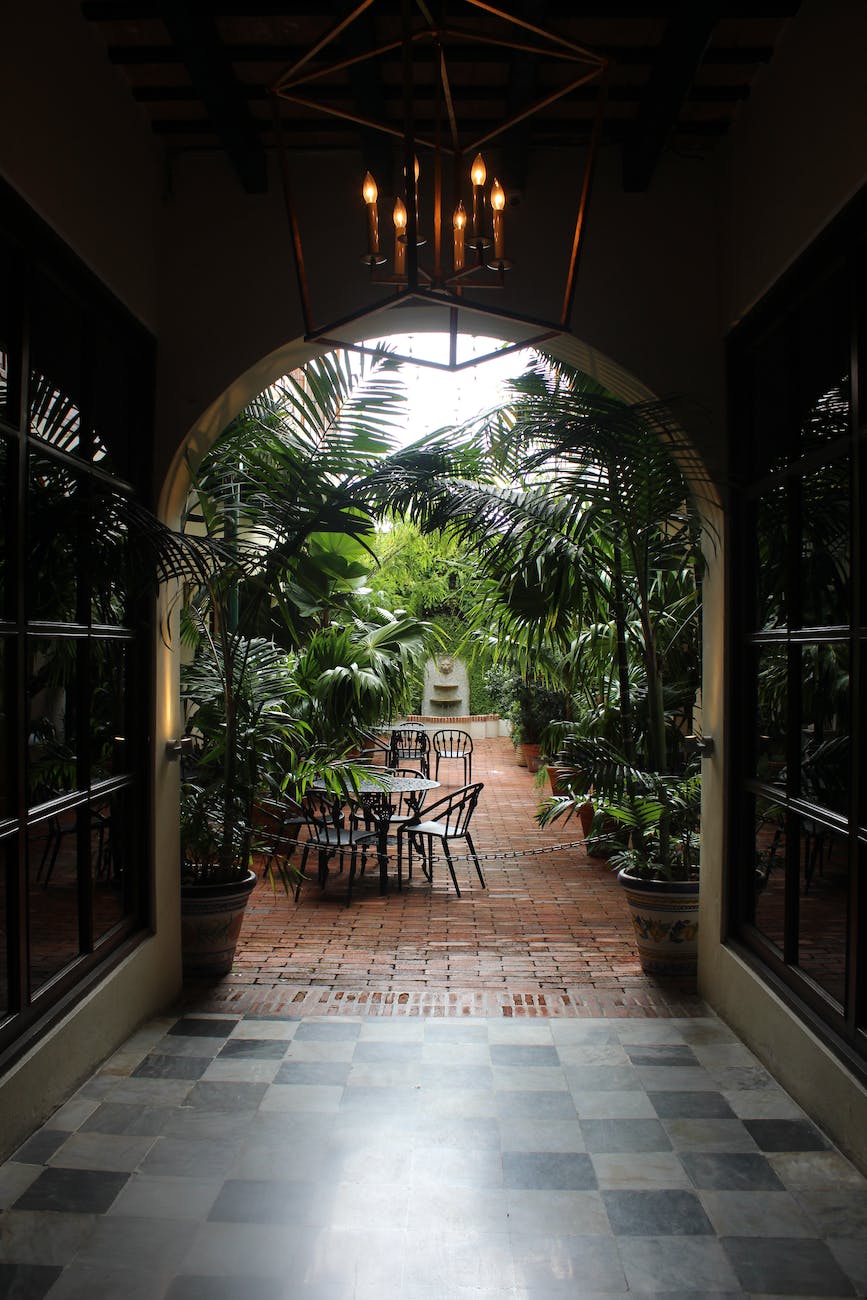
Photo by Deeana Arts on Pexels.com

In the book’s introduction, the editor suggests that gardening helps wellbeing partly by developing in us particular qualities – such as attention, patience and trust. That’s an interesting angle – gardening becomes character development! Not only training plants, but personalities too!

Yes, gardens encourage attention, that is, being attentive in the moment, noticing. The painter Georgia O Keeffe wrote about looking closely at a flower so that it becomes the world to you for a time. And as the poet Amy Lowell wrote: “Sunlight/Three marigolds/And a dusky, purple poppy-pod-/ Out of these I made a beautiful world.”

For many people this mindfulness comes not only from looking at the garden’s beauties but also from the sheer menial tasks themselves, pruning or clearing weeds to clear the mind as well.

Now that I’ve read about gardening fostering patience and trust, I agree. Planting bulbs requires patience, with a long cold winter ahead before any flowers emerge. And the garden designer Gertrude Jekyll wrote: “A garden is a grand teacher. It teaches patience and careful watchfulness.”

Why should qualities like patience and trust and attentiveness help wellbeing? Think about their opposites. Impatience fuels frustration. Lack of trust can lead to lack of purpose. And struggling to concentrate and attend shuts out what is all around.

Here’s another quote about gardens, going a step further, by the American writer Ralph Waldo Emerson: “All my hurts my garden spade can heal.” Do you agree with that one? I’m doubtful about the word “heal” here – but “soothe”, yes.

Gardening can also ease restlessness and develop contentment. I loved this quote from Antoine de Saint-Exupery’s The Little Prince (which I’ve never read): “’Men,’ said the Little Prince, ‘set out on their way in express trains, but they do not know what they are looking for. Then they rush about, and get excited, and turn round and round. And,’ he added, ‘it’s not worth the trouble…what they are looking for could be found in a single rose.’”

I enjoy gardening – it’s elemental, practical, productive. Ilike following the cycle of the year as it unfolds. I also like drawing and painting what grows and lives in gardens, and it’s doing that I most focus on nature. For the month of June I’m running a daily art for wellbeing challenge called A Secret Garden – to sign up go to

https://www.eventbrite.co.uk/e/a-secret-garden-tickets-629287163847

The challenge’s title refers to art and to gardens as a haven apart. But it’s also a nod to the classic story The Secret Garden by Frances Hodgson Burnett, which celebrates how gardens can restore us, as we in turn restore them.

Places Of Hope

How do you feel on entering a cathedral? You might feel awe, wonder, discovery or excitement. It might feel familiar or unfamiliar, welcoming or daunting. Some people going into a cathedral will have faith, some will have little or no faith, others will be wondering or seeking.

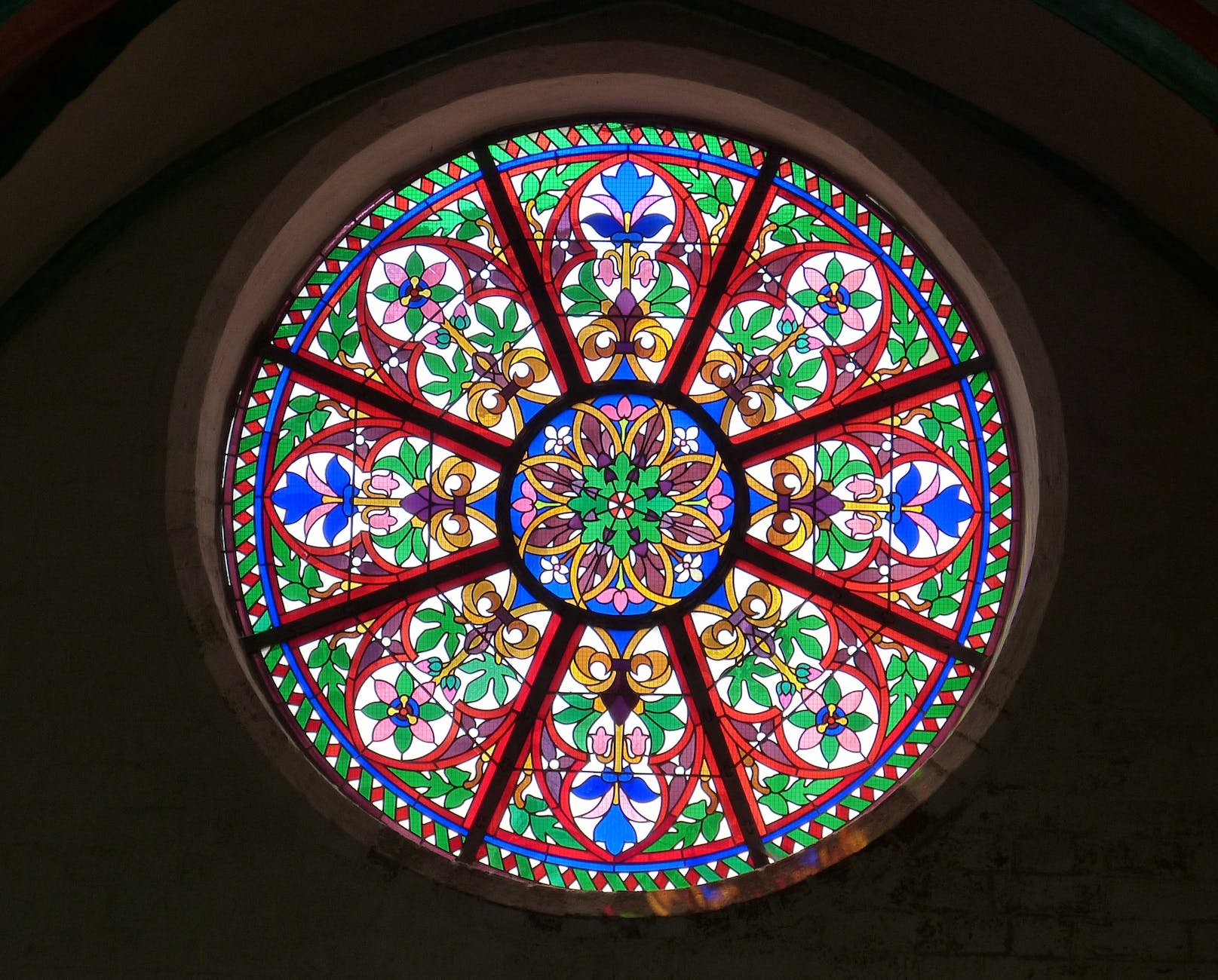
Photo by Pixabay on Pexels.com

Thinking how cathedrals might be places of wellbeing, I think about them as multi-sensory. Evidence is growing that multi-sensory stimuli are the most beneficial, drawing different senses into play. Exploring a cathedral can do just that. There’s the sight of stained glass, screens, fabric, stone, brass and wood. There are the sounds of the cathedral organ, or of a choir singing, or of someone praying or talking as they lead worship. There’s the feel of the many materials in the cathedral. From stone walls to wooden choirstalls. Experiencing a cathedral on many levels like this deepens its impact: there’s so much to focus your mind.

A cathedral might feel like somewhere enriching, set apart, a place to think and be. A place that lifts mood. With most cathedrals in city centres, they can feel like islands of calm, a refuge from the crowded streets outside as heat and noise recede. But they can themselves be busy and full of life, as people gather to worship or as a tour group streams through. Some people respond to a cathedral’s vast scale, which feels uplifting in itself – although to others this may feel overwhelming.

Wellbeing is central to the good news cathedrals exist to share: hope, life, forgiveness, trust, good. And more churches and cathedrals have become active in specific mental health and wellbeing work as well, in their local communities, sometimes using the arts – such as a photography initiative in which Gloucester Cathedral took part.

Stained glass has to be the artform that most lifts my mood when I go into a cathedral. Glowing, rich, deep colours cast reflections on the walls and floor. The use of black lead to divide the windowpanes enhances the colours so they stand out boldly. Some stained glass is abstract, whether rose windows designed centuries ago or contemporary glass. But most tells a story, records events, recreates a scene, sometimes portraying a sequence of events as a story unfolds. Cathedrals also come to life when music plays (maybe quiet and reflective, or raising the roof with great acoustics) or bells ring the hour.

A different kind of cathedral is the Whipsnade Tree Cathedral in Bedfordshire. This is an outdoor site with trees planted to form a leafy “cathedral” nave and chancel.

Have you found a cathedral to be a place of wellbeing? It would be great if you have thoughts to share. Just go to Medley’s Facebook group https://www.facebook.com/groups/359291215486002 Thank you.

Release And Hope

What role does creativity have to play in a health crisis? This is the question posed by this year’s Creativity & Wellbeing Week, running from 15 to 21 May. So timely as creative health and the health crisis have grown in parallel over these last few years. It’s during these years that I’ve started out as an arts for wellbeing practitioner, setting up my online initiative, Medley, in 2020.

These years have seen arts for wellbeing and creative health become familiar terms, although awareness still has a way to go. Variety is all: such a wide spectrum of artforms can help, with music, the visual arts and dance the most common so far. The Covid pandemic spurred many more people to seek out ways to support their mental health and wellbeing. But as recent years have brought growth to the sector, they’ve also brought the health and care sectors in the UK (and other countries) under ever more intense pressure. Covid 19 combined with many different issues to tip the NHS into – or close to – full scale crisis.

On the one hand then, creative health is seeing provision and demand grow. On the other, we have a struggling health system.

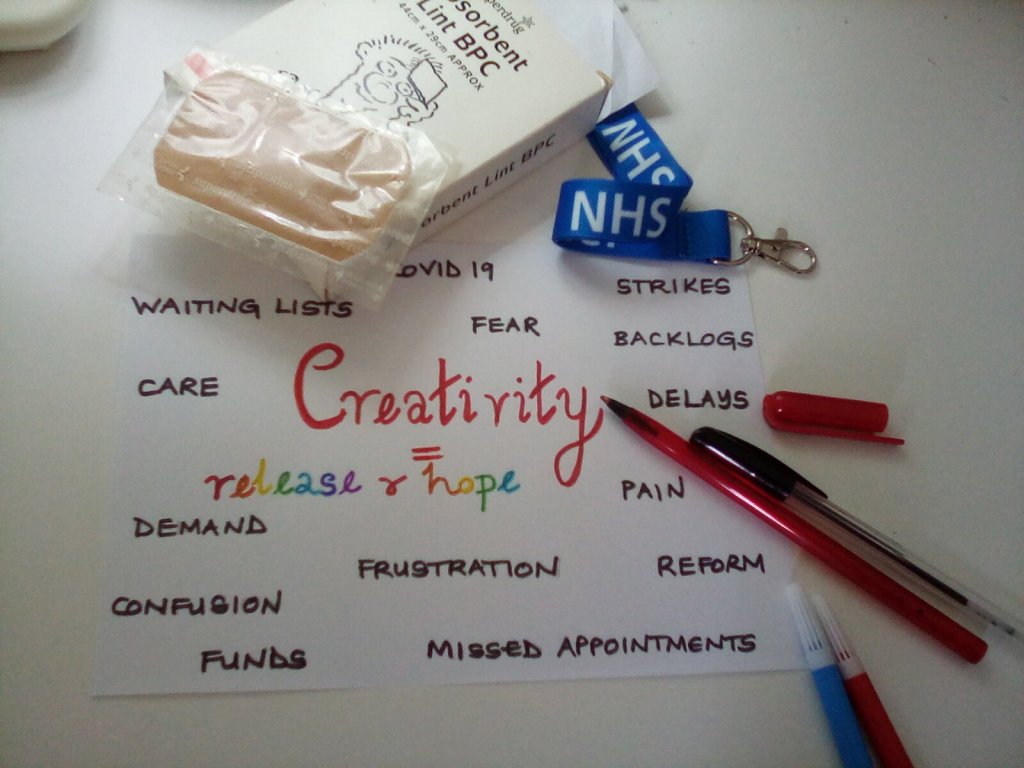
Illustrating this post is a word picture. The dark, negative words show the shadow the health crisis casts over so many lives. The strong colours of the words “Creativity=release & hope” embody creativity’s power to lift spirits and to enhance life within these very issues. Why release and hope?

I see time and again how creativity can become a release – either as a way to express issues and experiences, maybe through journaling (art as tool) or as a way to escape them (art as haven). And using creativity in health and wellbeing is all about hope – hope that every one of us can boost our own wellbeing. Hope that there are many imaginative and innovative ways out there of helping the whole person. And hope that the health system is about more than crisis, that it can still do far more than simply stagger on.

For in a country like the UK, which has one of the world’s largest economies, 21st century healthcare needs to be about far more than just getting by. It needs to develop models that are focused on prevention and on quality of life: such as creative health. This can strengthen and diversify health care and empower patients.

Yes, a lot depends on specific issues and situations. When urgent cancer treatment is delayed or an ambulance fails to arrive, creativity may well be little or no help or consolation. But creative health is far more than just a distraction. It has very real impacts on mental and physical health alike and how they interlink. It draws people together in community. And it deserves to grow and grow, within the health sector but also beyond, in as many different settings and models as possible.

To Crown A King

With Coronation fever well underway, I started thinking about art, music and nature (the three elements that Medley focuses on) and what part they will play in the Coronation of King Charles III. Their importance in the Coronation highlights just how they help us enhance and enrich our lives and living.

Photo by Daniel Enamorado on Pexels.com

What role will art play? Music and nature may seem more obvious, but creativity and design will also be centre stage. The Coronation is a very visual spectacle – robes, Crown Jewels, royal coaches, processions, flags, commemorative plates and red, white and blue bunting & floral arrangements up and down the country. All are art in action. And many of us will be drawing, painting or crafting, maybe sewing bunting or knitting crowns. Creativity is such a great way to feel part of the celebrations and to add our own small stamp.

It’s striking how central music will be to the Coronation as well. The King has spoken of the importance of music in his life, and this will be mirrored by the celebrations. No fewer than 12 composers have been commissioned to write new pieces to be played during the Coronation in Westminster Abbey, from Andrew Lloyd Webber to Debbie Wiseman. Combine these with the traditional music played for every Coronation, such as Parry’s I Was Glad and the National Anthem, and this will be a very musical ceremony. And not just the ceremony. There will also be a headline pop concert at Windsor Castle.

Why should music dominate like this? Why is music so central to how we celebrate, how we commemorate, how we party? Music is exuberant, exhilarating, loud and festive. It is another language. It raises the roof. It builds mood and atmosphere, and it expresses awe, wonder, reverence in worship of God within this Coronation ceremony. It’s a focus.

Maybe the issues with which King Charles is most closely connected are nature conservation and the environment. Over many years, long before these issues hit the mainstream, Charles has supported and developed green initiatives. So it’s no wonder that his Coronation is creating new opportunities to connect with nature. Wildflower seeds will be given to every schoolchild across the UK, to plant in their own garden or windowbox or in a school or community garden. Another initiative is to expand or create 25 nature reserves all around our coastline to mark the new King’s reign. The first to be expanded will be at Saltfleetby Theddlethorpe on the Lincolnshire coast, an area of saltmarsh, dunes and mudflats to be enlarged sevenfold to an area of 12 square miles. Reproduced nationwide, this is being seen as a significant boost, not only for nature conservation but for going a step further towards actual nature recovery. This new chain of reserves will also echo the late Queen’s Platinum Jubilee Canopy mass tree- planting initiative.

How will you mark the Coronation with art, music or nature? Do share in Medley’s Facebook group https://www.facebook.com/groups/359291215486002

Dance The Night Away

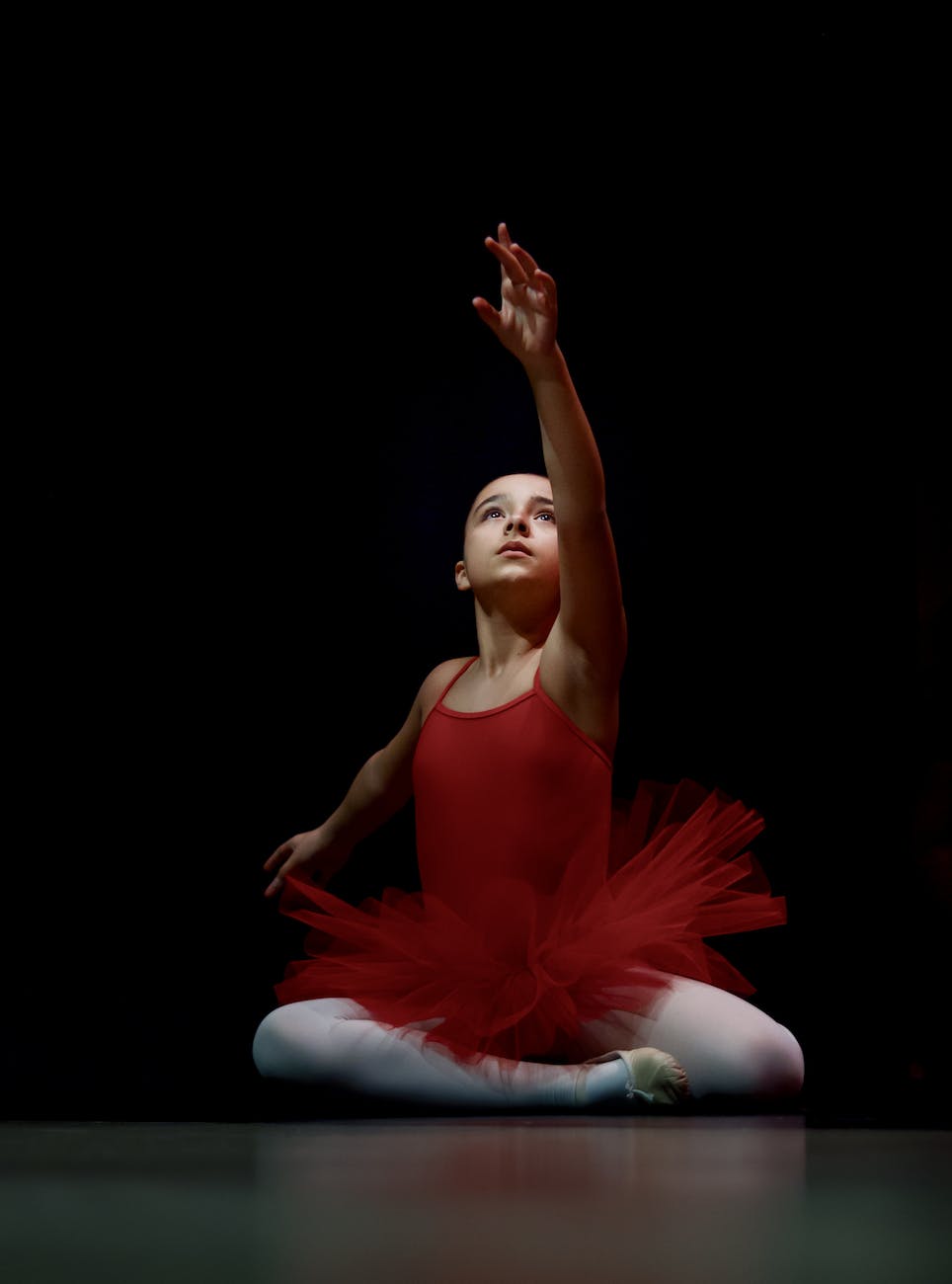
What first springs to mind when you hear the word “dance”? The excitement of dancing to an irresistible beat? Embarrassing memories of showing yourself up on a dance floor? Or ballet lessons as a child? Or maybe you think more of films like Billy Elliot. Of the chorus line in musicals, or of the Strictly phenomenon.

Photo by Ricardo Moura on Pexels.com

As more and more people recognize the impact of the arts on wellbeing, dance is one of the fastest growing forms of “arts for wellbeing”. So why and how might it be particularly helpful?

The more physical and mental health are seen as interdependent, the more dance for wellbeing will continue to grow. Dance is a flexible form of exercise – different dance forms require more or less fitness, energy and stamina than others. Dance can improve physical confidence for people of all ages – research has shown benefits for older people and for people who have Parkinson’s disease. Various dance initiatives for people with Parkinson’s can improve balance and flexibility when people may be unsteady and stiff. Dance can help with overall fitness and with weight loss. It can be an intense workout, but it can also be a gentler and more gradual way of taking exercise. An average fitness routine of stretching and bending might soon become boring, but dance is more fun. Music adds motivation and stimulus and sets pace. As you dance, you may start to feel more supple and responsive so that moving in time to the music becomes instinctive. Dance is interactive. Even if you dance alone, you are interacting with the music. It’s more memorable and responsive than simply listening: this way you connect more with the beat and rhythm and feel part o the music.

Dance is multi-sensory: hearing music, feeling the floor or ground beneath your feet and seeing movement. Dancing outdoors adds more – nature sounds, air and sun , trees and grass. All this stimulates the mind and lifts mood. And dancing outdoors is a growing trend. I recently heard about Dance Free, an initiative arranging outdoor dancing in Lincolnshire in cooperation with One You, a community health body. There are one-off and regular events in locations across the county, some on the beach. Participants wear headsets, so to passers-by it must look like they are dancing in silence! Another idea I came across was ballroom dancing in parks in Japan. Outdoor dancing has become popular partly because there’s less likelihood of contracting Covid, but also because it feels more relaxed and is an opportunity to experience nature. But some people prefer dancing indoors, where they feel less conspicuous. There are all different possibilities.

Sometimes impacts differ across dance styles. Ballet could be very mindful because you need to focus and concentrate on particular steps – so too could ballroom dancing. Country and line dancing can be very cooperative, a shared group experience. Or you might prefer freestyle, modern dancing. Simply stream some music or try the radio, warm up a little first and start dancing. This can feel very spontaneous, which is liberating in itself.

Do you have any thoughts or experiences of dancing to share? Just go to Medley’s Facebook group https://www.facebook.com/groups/359291215486002 Thank you.

Across The Globe

How will you mark World Art Day on 15 April? Perhaps by looking at a familiar painting you know and like, or maybe by discovering new styles and traditions. Perhaps by looking only, or maybe by getting out paints and pens yourself as well.

Photo by lil artsy on Pexels.com

Like so many of these special, named weeks and days which crowd the calendar, World Art Day is an opportunity to raise awareness and to celebrate. It highlights the visual arts in all their variety – but it also feels like an opportunity to think more about art across the world, and how its immense diversity might enhance wellbeing. Art has such benefits for wellbeing in any case, so widening your enjoyment of art globally could be doubly beneficial.

One of art’s great benefits is the stimulus it provides, looking at artworks and maybe experimenting with the styles or media you see. Obviously everyone is different, and a lot depends on the issues behind anxiety or depression. But I know from my own experience of anxiety that stimulus to occupy the mind can really help, lessening the likelihood of overthinking and a slide into anxiety.

Art is not only a strong visual stimulus, seeing colours and forms, but also opens up other thoughts and discoveries. Many people love travelling, exploring new countries and ways of life. Art opens a window on the world from your own home.

You could focus on one art movement or style from each continent – such as Kikuyu patterns from Kenya for Africa, or Japanese prints or carved soapstone from India for Asia. Enjoy looking at different examples and find out how they are made. You might like to try drawing, painting or crafting in some of the styles yourself.

Many of the world art traditions I’ve discovered recently and particularly like tend to be decorative arts, such as intricate colourful tiles from Morocco, Tanzanian Shoowa textiles or floral textiles from Poland. I like colourful millefiori designs as well, born out of the tradition of glass-blowing in northern Italy. The word “millefiori” translates as “a thousand flowers” and they are gem-like. You could compare decorative arts from the Uk too, like Fair Isle knits or willow weaving from the Somerset Levels. Or look at folk art, which inspires painting and decorative arts alike, such as American quilts, rugs, other textiles and samplers. Some traditions continue to thrive in the present day, to change and develop. Others have become heritage. Online, it’s easy to discover more about them and to uncover new worlds of creativity.

It would be great to hear what world art traditions you enjoy or want to find out about – just share in either of Medley’s Facebook groups, the Medley group on wellbeing in general https://www.facebook.com/groups/359291215486002 or the Think Art group on art and wellbeing https://www.facebook.com/groups/244072321150998/

Creative Spectrum

Thinking about creativity and autism, two particular experiences common to autism and neurodiversity stand out: visual learning and special interests. This is World Autism Acceptance Week, following closely on Neurodiversity Celebration Week, an opportunity to explore these themes.

Photo by Bich Tran on Pexels.com

Why visual learning? I’ve seen one or two people share how they and many other neurodivergent people learn better visually – through infographics, diagrams, motifs and pictures. This can be partly connected to issues with dyslexia and language, written or spoken alike. Creativity and the visual arts open up new ways of presenting, expressing and absorbing ideas or information. This can be helpful in education and training – picture dictionaries can be great for learning another language – but also in everyday life. It’s also a way to explore mental health issues amd use images to help understand how and why you feel as you do. As part of my art for wellbeing work, I sometimes experiment with “art as tool”, art that expresses and works through thoughts and feelings. One example is painting colourful umbrellas, then writing on them the positives that shelter you from the negative issues in life, just as umbrellas shelter us from the elements. A visual – and maybe more memorable – way of focusing on how to enhance life.

Then there are special interests. Many neurodiverse people have special interests which can become all-consuming, even obsessive. But obsession doesn’t have to be a negative word. Special interests can give real purpose to life. They might be sports, an animal species or a music style. Art and craft can become special interests too, and very positive ones. They have such endless possibilities, so many styles and media to explore. As productive and creative interests, they can enable people to express how they experience the world around them, which is useful if people with autism have communication issues. Moreover, as many neurodivergent people have a very intense sensory experience of life, this can greatly enhance their creativity.

It was once thought that only around 1 or 2% of the population had autism, but it’s now believed that the real figure is far higher. Recently a succession of high-profile comedians and actors have revealed that they are neurodiverse. The more common we know autism to be, the less likely we are to generalize about it, which is very positive. The more people are known to be neurodiverse, the more we can recognize the sheer individuality within that diagnosis. So just like anyone, some people with autism will thrive on creativity. Some will not. Multi-sensory stimuli can foster creativity and wellbeing in anyone, neurodiverse or not, so experimenting with tactile art, or combining art with music, can open up new possibilities – on and off the spectrum.

It would be great if you have any thoughts or experiences to share in Medley’s Facebook group https://www.facebook.com/groups/359291215486002? Thank you.

Well Spring

The other day I heard someone say how boredom can become a real issue when struggling with mental health issues, and how being interested by nature and seeking out new species can be a help. It made absolute sense I thought. If mental health issues oblige you to take time out, to step back from work or other activity, then the hours may feel long. In turn, this can tip you further into overthinking, fear or depression.

Photo by lil artsy on Pexels.com

Nature is a constant stimulus, partly because it is ever changing through the year. And yet I have to remember to look out and notice. Earlier this week I noticed reddish tips on a conifer tree I walk past regularly. Now I want to find out what they are. Are these flowers? Do conifers even have flowers?! I know so little about them. And how many times have I passed this tree without seeing reddish tips before, maybe in previous years? I see the tree, the only conifer along that road, but fail to notice this. Now that it’s spring I look out more – the day I saw the tips I also noticed a patch of dog violets and hazel and hawthorn leaves opening on bushes.

Spring feels like a fresh start, a new opportunity. I sometimes think spring would be a better time for New Year, it feels more of a fit. This in itself may be depressing if no fresh start feels possible for you. It can also be daunting if you’ve shelved plans and tasks over winter and now need to press ahead. No more excuses…

But spring is a time of renewal. Lighter days, warmer temperatures, plants growing, birds singing. Maybe weather shouldn’t so impact mood but it is proven to do so. In one way nothing really changes with spring, in another everything is different.

Spring can encourage creativity – maybe drawing or painting spring flowers, as I’ve been enjoying lately, or for some people, writing or photography. Songs and music of all different styles draw on sunshine and flowers and spring, like Edelweiss from The Sound Of Music or It Might As Well Be Spring by Ella Fitzgerald. They’re all responses to spring. So too is growing and planting, in however limited a space. Whether you sow seeds on a windowsill or in a garden or on an allotment, it opens up another dimension, other stimuli.

Our minds thrive on stimulus, the more multi-sensory the better. Without stimulus, research has shown we are more likely to develop cognitive decline or even dementia, and to experience depression. Technology has brought us more stimulus than ever before, but the contrast of natural stimuli is important as well.

Just try looking. You never know what you might see. It would be great if you have any thoughts or experiences to share in Medley’s Facebook group https://www.facebook.com/groups/359291215486002? Thank you.

Carefree

Behind the term “young carers”, there are so many individual stories, lives and everyday experiences. Young Carers Action Day, 16 March 2023, feels like an opportunity to think what might enrich young carers’ lives across their very different situations.

Photo by nappy on Pexels.com

We imagine childhood and youth should be carefree, fun, relaxed, even as we remember that growing up really wasn’t all like that. So the very idea of young carers contradicts those ideals. Some young people care for one or two parents, some for a sibling, some for a grandparent or other relative. Some will be the main or sole carer, some may help others to care for someone. Caring may be long-term or temporary. It may be all the young person has ever known, or an illness or accident may have happened quite suddenly, turning the familiar upside down. And young carers may be still at primary school or nearing adulthood. At present, the many issues within the health and care sectors impact further on carers of all ages. Support may be more uneven, less regular, all placing more responsibility on the young carer.

Maybe creativity – such as music and art – could particularly help young carers as something to turn to at any spare moment – not just at a young carers’ group. Not all young carers can attend such a group, and even if they do, there will be far more days when the group isn’t on, so that music and art could be a constant for them.

Music is important to so many young people. Following a particular music style or performer is like a ritual for many teenagers, all about identity, self-discovery and self-expression. It also creates common ground to share with others, at school or at a young carers’ group. The opportunity to experiment with playing an instrument or singing could also be liberating. Learning an instrument to any level requires time commitment that’s probably unrealistic for most young carers – just another pressure – but improvising for fun could be the way to go.

The visual arts might be another outlet. They’re varied – something for everyone – and don’t need regular commitment. Film, photography and digital art might appeal to young people who like technology. Drawing and painting are expressive, absorbing and calming. And drawing in particular is something you can fit into odd moments and come back to whenever possible. It could also encourage young carers to journal, which is therapeutic as a way to express how they feel.

Music and the visual arts could also be interests to share with the person who needs care, something positive to enjoy together if and when possible. For caring for a family member is about relationship, not just an endless list of tasks to complete. This adds to the commitment, maybe creating anxiety and sadness, but also opens up chances for shared closeness, maybe happy interludes as well.

It would be great if you have any thoughts or experiences to share in Medley’s Facebook group https://www.facebook.com/groups/359291215486002? Thank you.

On Prescription

Now that social prescribing has become a familiar term, it is easy to forget that just a few years ago prescribing was still all about medicine and pharmacies. Maybe more than anything else, social prescribing embodies a gradual move to more preventative healthcare and healthcare going beyond the immediate and beyond the physical.

Photo by Anna Shvets on Pexels.com

When social prescribing was first trialled as an experiment in integrated healthcare at Bromley By Bow Centre in East London, its founders may little have imagined that we would nowbe marking Social Prescribing Day – or maybe they saw straight away that this would run and run. They won the RSA Albert Medal in 2022 for their work.

Growth has been rapid. I remember learning about social prescribing back in 2019, while bid writing for a charity. Then, coverage was uneven across the UK, with some clinical commissioning groups actively rolling out social prescribing but others still making plans. Pandemic and lockdowns and such unsettled times for the public sector and NHS have done little to slow social prescribing’s surge since then. It has drawn together bodies like Arts Council England and Sport England to work with the Department of Health, and at local level thousands of link workers form a considerable network to connect patients and activities. I’ve seen this in action as I’m now an arts for wellbeing practitioner.

It isn’t all plain sailing. There’s always a chance that something growing so quickly could become unwieldy. There are issues with funding, as while social prescribing helps activity providers reach participants, it does not itself fund the activities. Then there’s the real need for cohesive and comprehensive publicity. One survey asked GPs about barriers to social prescribing : 72% cited lack of awareness of programmes and activities. This may be partly because social prescribing is so very diverse, covering so many different activities and providers.

There may be challenges, but these only show social prescribing’s scale and impact – for obviously there will be challenges for any movement that seeks to respond to individual needs on such a scale. It follows that social prescribing also has huge scope to enrich and enhance lives. At a time when everyday healthcare is under such pressure, the expansion of social prescribing demonstrates a real commitment to doing far more than just “getting by”. It recognizes the many factors that shape health and wellbeing. It strengthens community at a time when community is ever more fragmented and areas have become dormitories. It looks at the big picture, but also at the individual, and draws the two together. For the creative health sector, it embodies a unique opportunity to integrate further into healthcare. For patients, it opens doors.

Could you share any thoughts in Medley’s Facebook group? Go to https://www.facebook.com/groups/359291215486002 Thank you.