A Past That Endures

Creativity, art, music, might feel a world away from the very brutal realities of war: mud, death, rubble, bomb craters. 80 years on from VE Day, which saw many countries emerge from World War Two, this week has seen crowds gather once more to commemorate and to celebrate. Those six long years of war are distant now, but paintings, sculptures, songs and music survive, transporting us back to a past that endures.

Photo by Polina Tankilevitch on Pexels.com

Image, word and sound are how we react, how we record and remember, how we express and lament, persuade or oppose. The visual can be all the more memorable – which is why so much wartime propaganda used cartoon and caricature. But there was also very different war art. It is largely images of the First World War that have become the most famous, as with poetry. But Paul Nash for one was an official war artist in the two Wars, and his Battle Of Britain (1940) and Totes Meer (Dead Sea (1940-1) explore the wonder and ferocity of battles fought in the skies overhead. One (Battle Of Britain) is a skyscape, but the other (Totes Meer) tells a very different story, with downed German planes reduced to wreckage.

Not only artwork portraying the events of war showed its impact. Even artists who painted different themes bore war’s imprint, which changed the way they saw the world. Edward Burra and Ceri Richards were two British landscape artists whose work has a mood of menace.

And of course, just as music and art reflect wartime, so too they can express many other events, global, national, local or individual. Creativity can become a tangible and powerful response, a way to recreate or to explore horror, injustice, bravery, or simply what it is to be human and to live in the everyday.

Songs of those war years still stand out. Songs about hope, reunion and the dream of a different future, but also about getting by, with no fuss and with a smile. Songs that have come to celebrate that generation. They’re songs about how to live and about what truly matters in the end.

War inspires public art to be commissioned – music, like Benjamin Britten’s War Requiem, or visual arts. Maybe in memory, such as the pair of stained glass windows of Dunkirk and D-Day in Portsmouth Cathedral, in memory of an admiral of the fleet. Or as communities rebuild – as in Coventry Cathedral, where Graham Sutherland’s famous tapestry is only one of many artworks commissioned when old and new were combined to recreate the bombed Cathedral. Sutherland was another official war artist, and his work went on to reflect this legacy – see his striking painting Thorn Trees (1945). This transforms a nature theme (thorn trees) with a religious reference (Jesus’s crown of thorns) into a mechanical image of steel blades, mirroring the machinery of war.

If the purpose of war songs was to cheer and unite, and war music usually commemorates, what is the purpose of war art? As years go by is it only a historical record? Or can it extend beyond the specifics of time and place? I think that thinking and talking about a war painting can unlock and unpack thoughts and feelings about war, yes, but also about wider human issues like bereavement, life, death, despoiling of nature or regret. So too can most paintings go far beyond their main theme. That’s why I’ve produced a training course called Conversations About Art: How To Share Famous Paintings For Wellbeing. To find out more, have a look at https://medley.live/conversations

Earth Our Home

What is your first thought when you hear the word “earth”? Is Planet Earth somewhere you take for granted, a backdrop to your life that you assume will go on as it is? Can you still enjoy nature unclouded by earth’s issues? Or has dread of what’s ahead come to overshadow that experience? Maybe how you feel differs each day.

Photo by Nataliya Vaitkevich on Pexels.com

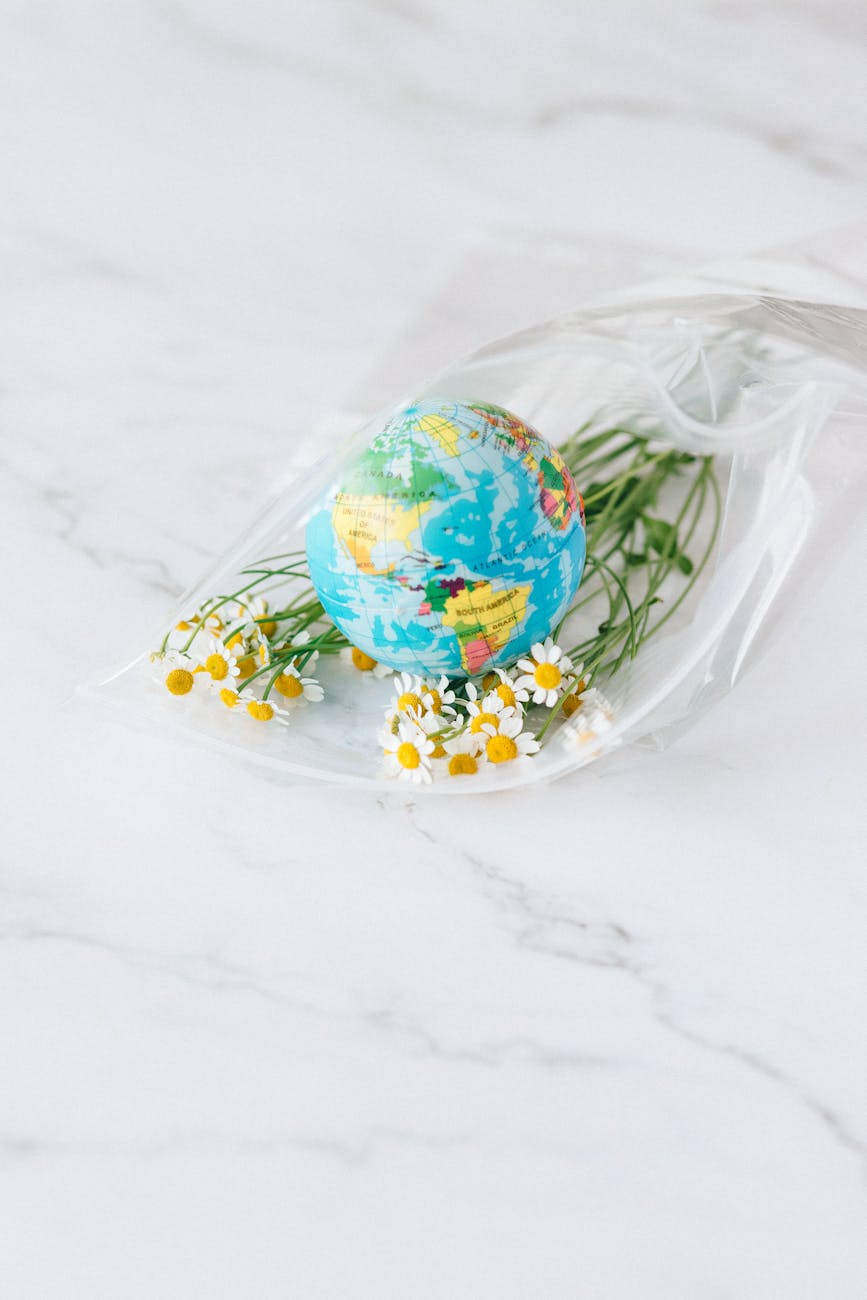
Since it was founded back in the 1950s, Earth Day has been observed on 22 April each year. You could say that every day should be Earth Day, for what is earth if not our home, the planet on which we depend day to day for all our bodies need and demand? But like all commemorative and special days and weeks, Earth Day serves to raise awareness and create a space for debate. As climate and nature emergency have become more widely acknowledged, but net zero proves a divisive issue, Earth Day takes us back to what it’s all about.

One way to focus on what matters most, to reflect and discuss and express, is through creativity. Following climate and nature reports in the media can be confusing, even overwhelming, and there’s a lot to absorb. Creativity turns that around so we become productive and active. For me, that’s one of creativity’s most positive impacts in general: being creative on any theme is something tangible to do and reduces overthinking or apathy. That’s why I think a creative response to climate and nature issues can be so helpful. Time spent wondering about facts and figures or worrying about the latest dire predictions can be just as well spent, if not better, using art and craft to explore these issues.

Take eco grief. Do you feel deep sadness about biodiversity loss, the likely impacts of a warming planet, or plastic pollution? Many people do now, and like any form of grief or bereavement, eco grief can produce feelings of anger, disbelief and despair. It can also be a profoundly lonely experience, if you feel others do not share or understand your grief. Art and craft can help you lament, a traditional word that’s all about expressing and exploring grief, not shutting it away. Giving yourself the time and opportunity to wade through the flood waters, to let the rain fall on you, to face what is happening head on. Visualize what you mourn about the climate and nature emergency – imagine a place, an ecosystem, a scene, maybe before and after – a thriving scene full of life, become a desolate, bare space. Draw or paint or create a collage of what you visualize. Experiment and don’t hold back. You could cut up your artwork when you’ve finished, or throw paint over it, or scrawl all over it, to symbolize and express your anger or bitterness.

Art and craft can also help you celebrate what remains, or what once was, remembering nature’s continuity and beauty, and motivating you not to give up hope that change may come, at whatever level.

And art and craft can become ways to re-imagine. Picture what the change we need would look like. Use this to call and lobby for action, but also to embody this change in little everyday ways. Craftivism gives many people something specific and concrete to hold on to. Make a banner, or an imaginative card to send to local decision makers, take part in a craftivist campaign, make a bug hotel, or get into upcycling, repurposing and support a repair cafe.

Creativity can usher in change we do want, and help us resist the change we don’t want – within and without.

Going Round In Circles

Rumination isn’t a word you hear everyday. It isn’t a very obvious word to understand either. But it’s a common experience, and one that can be very damaging to mental health and wellbeing. While there are diverse ways to help halt or ease rumination, coaching and creativity may have an important part to play.

Photo by Thgusstavo Santana on Pexels.com

Overthinking, brooding, feeling trapped by negative thought patterns, these are all ways that rumination can be experienced. It’s a common factor in depression. Another thing I’ve discovered is that rumination is considerably more likely to impact women (as found by a 2016 study in The Lancet of women’s mental health). Most common mental health problems such as anxiety and depression present in some way as cycles of negative thoughts, and breaking these cycles can be one of the biggest hurdles in recovery. Remembering my own lived experience of health anxiety, I know how all-consuming such thought cycles can be, blocking concentration and returning inevitably to their starting point once again. Picture the turning of a “cycle”, a wheel, as it moves round and round, and round again.

Over time, rumination’s negative thinking patterns can allow limiting beliefs to take hold. Gradually a thought might become a conviction, and limit what you feel you can do or how you can live. Coaching encourages a person to explore these beliefs, to consider how the belief might be limiting their life choices, and to choose a different, more positive belief to pursue or small goals to follow. When the negative thought cycle has you in its grasp, it can be very difficult to distance yourself enough to identify and understand the limiting beliefs. That’s why coaching can help. It won’t break the cycles or present you with straightforward solutions, but it can open up a space to think in new or different ways, to let in other ideas and glimpse other ways ahead.

Creativity can also open up space and time in your thinking patterns. That might be art or craft, or dance, or singing, or writing, or drama, or comedy, or all these. Any art form might become breathing space, even if only fleeting, and gradually infuse spontaneity and change into thinking patterns. You could use creativity to shut out the ruminating for a little while, or to think through what might be behind the thoughts – maybe by journaling, using symbols or visualisation (art) or using role play (drama).

If you would like to think about having life coaching, take a look at https://medley.live/life-coaching or give creativity a go at https://medley.live/news

Turning A Page

Why do you read? What spurs you to turn to a book? Do you read to learn, to relax, to spend time, to escape, to laugh, to reflect? Maybe for all these things at different times. Or maybe you have never got into books, or used to enjoy them but now struggle to concentrate. Never have there been so many ways to read – e books, audiobooks, traditional print books. Audiobooks in particular have boomed.

Photo by Leah Newhouse on Pexels.com

Why do I read? Usually for stimulus – characters, a plot to follow, or facts to learn and think about. As a child I preferred fiction, as a younger adult I preferred non-fiction, now in early middle age I like fiction and non-fiction alike. I don’t always read cover to cover but I enjoy turning back to the classics, like Jane Austen or the Brontes or Dickens, as well as discovering newer books – memoir, travel, art, environment. I also still enjoy children’s classics, which might be nostalgia but I think is more about the strength of the plots and atmosphere.

A new book by Daisy Buchanan is now out, and it has a wonderful title: “Read Yourself Happy: How To Use Books To Ease Your Anxiety”. I like the title because it’s practical and productive, and with anxiety now so common, exploring different everyday ways to destress feels more important and urgent than ever. It’s also empowering – Read Yourself Happy – something you can do for yourself, self help, taking control in small ways. I haven’t yet read Daisy Buchanan’s book, but wonder what she suggests, how she compares book genres or reading habits, and what she finds helps most.

If reading is a common hobby, then most other hobbies can also boost happiness and wellbeing, whether it be baking, craft or yoga. I was wondering how I would compare, say, how reading and art impact my mood and wellbeing in different ways. With reading, I’m on the receiving end. All I have to do is sit and read, let the words come in. That can be restful, or energising, but most of all it’s simple and straightforward. Art demands more to start with – thinking what to draw or paint, setting out materials, clearing away at the end. And yet once begun it’s creative, productive and varied, a time to enjoy colour and form and line, with something to show for your time at the end (unless it’s a complete disaster!). I find art more absorbing – I can spend hours drawing, painting or crafting, but would rarely want to read for more than half an hour at the most. In a novel I prefer dialogue and have to admit that I skim through long passages of description.

In fact, “absorb” is one of five words I usually use to explain how I feel art improves wellbeing. How do the others relate to reading? Yes, like art, books can “root” us in life (as we explore or discover more about subjects that matter to us), “ground” us (as an escape or haven, something to quieten overthinking), help “express” how we feel (as we empathise with a character or think more about an experience or memory), and “connect” us in community (through sharing a love of reading, perhaps in a book club). Which of these words could you choose to build on, so that you use your reading habit actively to feel better?

A.L. Kennedy has just presented a series on Radio 4 and BBC Sounds entitled “Reading Journeys” – reflecting how books can “magic us away” and transport us to other times and places in ways that feel very real. Maybe that’s reading’s best gift of all.

Do share any thoughts you may have in Medley’s Facebook group Medley | Facebook

Open Hands

What is the best way to respond to the negatives? I see-saw in what I think. Sometimes I think confronting thoughts and emotions is better – talking or journaling or using art to explore and express. At other times I feel that can be damaging, fuelling a cycle of overthinking for many people, and that the best way is rather to open up other thoughts and experiences – talk or journal about something totally different, like football or the Oscars. Each approach can help, and each can be about letting go. Confronting the darkness so it loses some power, or closing a door on the darkness so you get some space away for a time. Or you could ask which would help more, a self-help book or a comic novel? A sad song or a dance anthem?

Photo by Monstera Production on Pexels.com

What seems like a balancing act for many people makes me listen up whenever I hear of different ways of letting go.

You too may have heard of the Let Them Theory which motivational author Mel Robbins has been sharing and promoting, most recently in a new book. In this she has researched and explored exactly why two simple words, “let them”, have such power to liberate and relax. She has interviewed neuroscientists and other experts in thought and behaviour to dig deeper behind the immediate impact. She also explores how you might use the theory in practical ways – maybe to deal with family or work conflicts. It’s all about detachment, recognising that our power to control what is happening around us is limited, and letting go. It’s all about stepping back, no longer battling to change other people or constantly overthinking differences. In a way it could weave together the two approaches I mentioned at the start.

What I also like about Mel Robbins’ theory is the twist she adds. Let Them is not the whole story. There needs to be another way of being, a more active response. This she calls “Let Me”. The Let Them Theory might feel too reductive, so Let Me focuses your time and thoughts on what you can control, not what you can’t. It’s all about you, but it’s empowering. Think about what you might be able to change for yourself, even in simple ways. It’s all too easy to overthink what’s wrong about other people or situations, not so easy to confront what we might do to improve what is within our own control. It’s easy to blame others and distance ourselves sometimes. I found “Let Me” more challenging, but worthwhile. It got me thinking and imagining – and hopefully, in time, it will spur me on to do things differently too! What might it make you imagine, think or do?

Letting go, letting them, it’s all about living with open hands and silencing the instinct to grasp or hold, fix or steer. Letting me might become a more hopeful alternative. Do share any thoughts you may have in Medley’s Facebook group https://www.facebook.com/groups/359291215486002

Treasure Chest

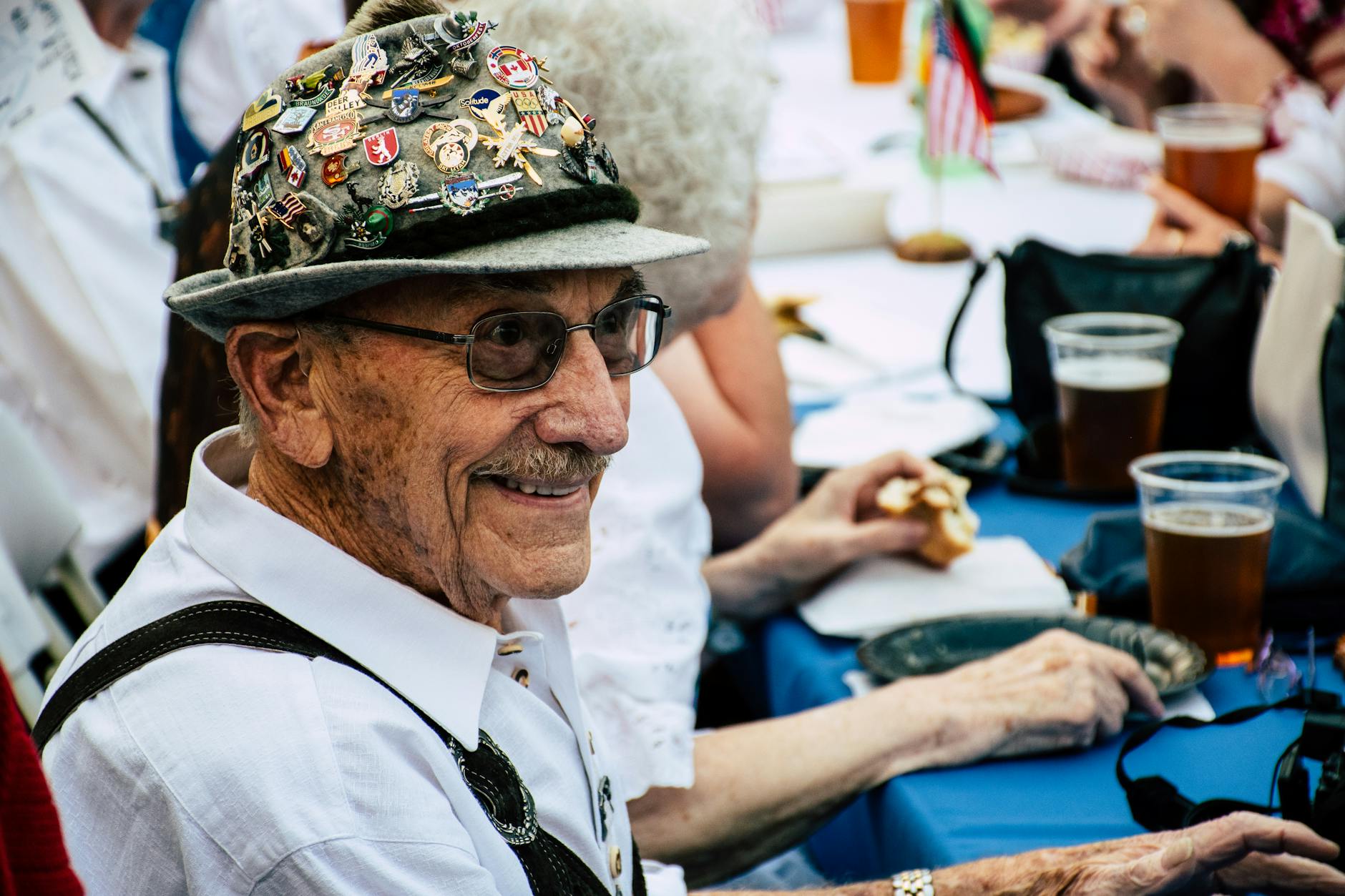
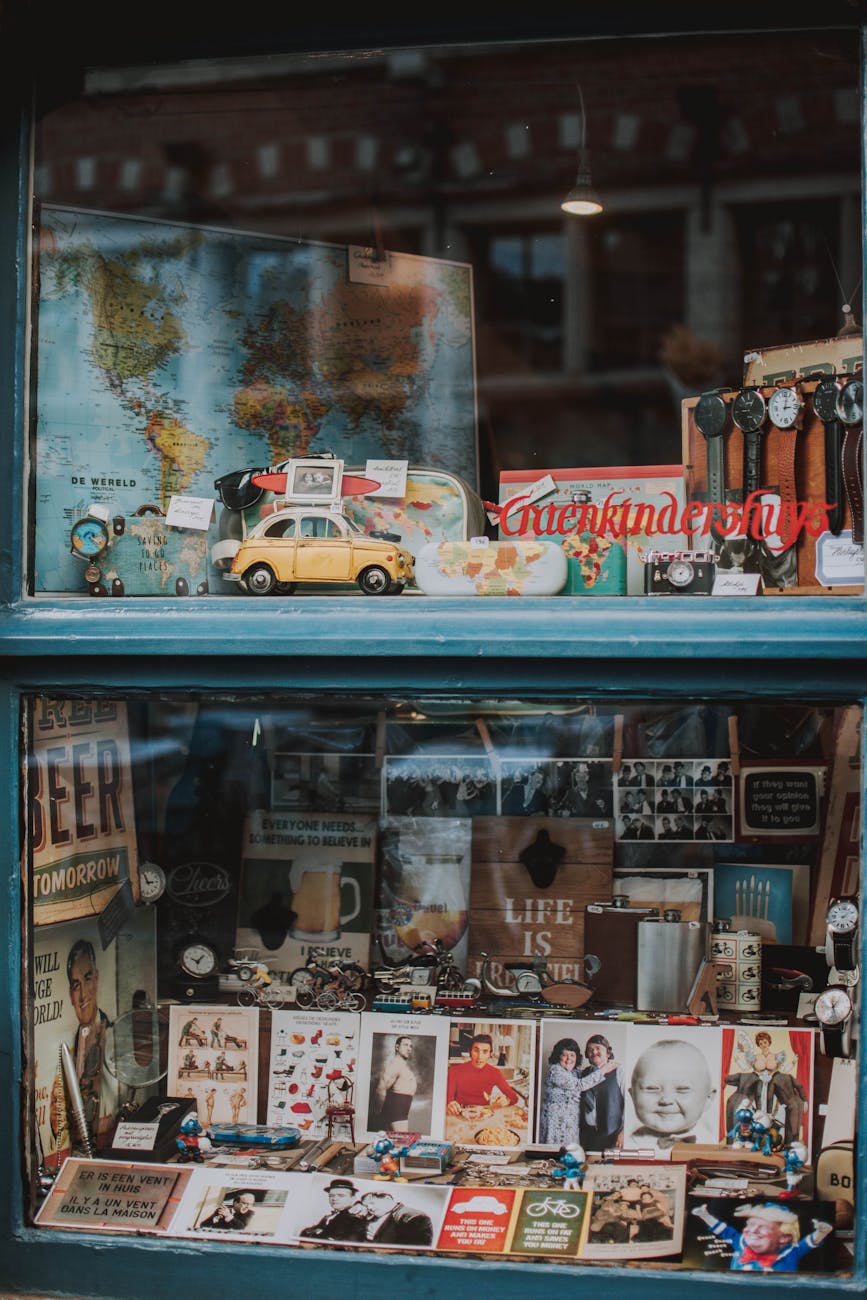
Are you a collector? Is there something you look out to collect wherever you go – maybe hats, teapots, clocks, football shirts, first edition books or teddy bears? I’ve never formed a collection, but I’ve known people who collect Victoriana, music memorabilia, and model houses & railways – and even someone who collects anything to do with pumpkins, from jewellery to cake recipes! Collecting enriches many people’s ives, and can be important for wellbeing. Instead of letting life slip by, collecting is a way of grasping hold, of gathering around you objects that interest, amuse or excite you. It also has a strong visual impact, decorating your home and displaying a part of your identity. This is important too. Expressing identity is known to build confidence and contentment.

Photo by lil artsy on Pexels.com

Yes, there are negatives too. Collecting can become oppressive, with items here, there and everywhere. That depends whether you like being surrounded by possessions, or whether you’re more of a mimimalist, liking clear spaces. Collecting itself can also become obsessive, an endless quest doomed to disappointment. An activity that should be positive can become the very opposite if your collection never feels complete.

Then again, collecting takes many different forms. What about collecting music? Playlists have turned most music lovers into virtual collectors, amassing endless selections of songs or pieces of music to craft personal and themed playlists. This way of collecting may be virtual but still expresses the instinct to own, to gather and garner and store, to control, which is central to collecting. And these can be very positive instincts. Feeling out of control damages wellbeing more than many other experiences, so having some amount of control can restore hope and confidence, even over small things like a playlist or any other collection. Another benefit is how collecting motivates and creates a sense of purpose, an ongoing project or challenge.

Collecting can be costly, and on a large scale lead to debt. For some collectors the very lure of collecting is all about the value of their collection. This may even become a business. But collecting can also be free or low-cost – think collecting leaves or flowers in nature, to press and store, or scouring car boot sales and vintage stores online for small and reduced items. Collecting items that need upcycling or restoring can also make this a more active hobby, with time spent doing up an object and putting your own stamp on what you collect. This is a way I could imagine getting into collecting.

And down the centuries, collecting has built up many of the wonderful art and craft heritage we enjoy now in galleries and museums. Something that can do such a lot to enrich life and allow us to experience beauty and imagination at second hand.

Do share in Medley’s Facebook group your thoughts on collecting. Do you collect? Just go to https://www.facebook.com/groups/359291215486002

Rich And Full

In her novel Emma, Jane Austen writes that “One half of the world cannot understand the pleasures of the other”. It’s a saying I remember most days! And it’s a saying I remembered when last year I read a book sharing the author’s mental health issues. Through all her struggles, the author reflected, the people who supported her wanted her to be able to go on to live a “rich and full” life. What would a rich and full life look like, I wondered? What feels to you a rich and full way of living, and how different might that ideal feel to each one of us? It’s never a one-way system.

Photo by Caleb Oquendo on Pexels.com

Wellbeing has become a shared common goal. Maybe our quest for wellbeing could be summed up as a quest for a richer and fuller life – more joy, more contentment, more hope. How do the two words themselves differ? A “rich” life might be about enjoying many different and new experiences, maybe enjoying material riches and what money can but, but also deeper riches. A “full” life might be about being busy, satisfied, with a sense of purpose and fulfilment – the opposite of boredom, apathy, loneliness or aimlessness. And yes, they overlap – a rich life might be about “”living life to the full”.

Is it even negative and damaging to dwell on how to live a rich and full life? Can it become a form of overthinking? Are so many of us today so busy thinking how we might live richer and fuller lives that we miss little riches along the way? Destination addiction (“I’ll be happy when…”) can overshadow the present and leave us in limbo.

Wellbeing models and frameworks abound. One of the most recognised, the CHIME framework, highlights our need of connectedness, hope, identity, meaning and empowerment. I’ve even developed a model of my own, five building blocks that form the basis of my art for wellbeing training course, Paint Your Mind. They are root, ground, express, absorb and connect. All these words might sum up ways to a live a richer and fuller life. Feeling rooted, or grounded, makes life’s experiences richer and deeper, while connecting with others can be integral to a fuller life. But each wrd will look different to each person. Feeling rooted might raise questions about identity, community and belonging, or might be more about simply celebrating and feeling part of events through the year, like a sports tournament.

Creativity gives these words tangible form, for me and for others. Creativity enriches my life and makes it fuller day by day, in ways large and small. It’s active and productive, it makes things matter more – details like colour and form that I might take for granted. But as Jane Austen knew so well, it won’t do that for everyone.

Riches and fullness have to be discovered, even unearthed, but they may be closer than you think. The world sets standards for a rich and full life – but that very life might feel barren to some of us, or overwhelming, or disappointing. Riches may be under your feet, under my feet, here and now.

It would be so good if you would like to share thoughts on any of this in Medley’s Facebook group – just go to https://www.facebook.com/groups/359291215486002

With Thanks

At the start of a new year, ideas go flying about: how to make this a good or a better year? One trend is all about positive thinking and gratitude therapy. I wonder what is your immediate response to hearing those words?

Photo by Alina Vilchenko on Pexels.com

Gratitude journaling is a practice I’ve known about for a while. I know people who write and illustrate gratitude journals and find this useful. Gratitude therapy is a term I only encountered more recently, but it is growing ever more common.

Writing a thank you letter when you receive a gift is probably the most common traditional way most of us express gratitude in written form. However truly grateful you are, it can be a struggle to find the best words. So the idea of writing a daily gratitude journal might be unwelcome or feel like a chore, the very opposite of its aim.

Gratitude is not always instinctive. It can feel forced or exaggerated. Expressing gratitude may not come easily, whether that’s in your own head, committed to paper in a journal or spoken aloud. Nor may taking time to reflect and think back over why you might be grateful, instead of getting on with life and its present demands.

Suggesting gratitude journaling to someone else could feel insensitive. Even while someone might say “I know I do have a lot to be thankful for”, illness or bereavement or ageing or loss of any kind can be overwhelming. Concentrating on gratitude is likely to be little more than wishful thinking, and could even make someone feel worse, sparking anger, bitterness or regret. And even if gratitude therapy highlights simple and small everyday things to celebrate along the way, this in itself might feel trivial or belittling. But for others it might be helpful.

Positive thinking will not always work. Yet mental health and wellbeing are so complex and unpredictable or ever-changing that I think we need as many different tools as possible. Gratitude journaling is usually recommended as a daily activity but could be more flexible than that. I myself have recommended art and craft as daily activities, on the basis that we are more likely to stick to something if it becomes part of our routine. But I would find daily gratitude journaling forced. I prefer to think what I’m grateful for, in fleeting moments here and there as something strikes me, and just sometimes record gratitude on paper. That way it feels spontaneous and sincere – although yes, it may also get forgotten or overshadowed.

Art and music can help with positive thinking and gratitude. One of the building blocks I believe are central to art for wellbeing is “Root”, how art and creativity root us in life by helping us respond to events in the world around us. In so doing they can encourage us to celebrate and think more. And music and song can express gratitude in powerful ways. Think of The Kinks’ (Thank You For The) Days to name but one song.

Gratitude – or thankfulness – can be an important part of prayer, and this becomes an opportunity to reflect and consider the day, the week, the month, the issue, or to hand them over for a while, to set them aside or move to another day, week or experience.

Out In The Open

Last Christmas I heard about an outdoor nativity event held on a farm. A crowd of all ages gathered and moved around different parts of the farm, hearing how Jesus’s birth in Bethlehem all those years ago unfolded, and singing carols, while farm animals (goats, sheep and donkeys) bleated or munched hay in their pens. Lanterns lit the scene.

Photo by Jeff Nissen on Pexels.com

Yes, it would probably have felt warmer in a church or hall, but this was so alive, so real, so authentic too. Elemental and down to earth, an experience that could help ground anyone there, an experience that brought to life the Christmas events once nore, in a new light.

At any other time in winter, it’s unlikely that anyone would linger in a draughty farmyard for long. The wonder of Christmas! But we also need to dig deep and look for other imaginative ways to spend time outdoors in winter, to connect with nature even when it’s dark or cold. Now that it’s so well known how beneficial it is for our wellbeing to be outdoors – calming and regulating body and mind alike – we need to grasp those benefits throughout the whole year.

It’s pretty obvious that winter can be dispiriting and depressing, and that’s largely due to sensory deprivation as the dark, cold days drag on. All looks bleached of colour, cloud and fog loom, some days never come truly light. All the colours and sights and sounds of summer have fled. The farm nativity then would be a sensory experience, full of different sights, sounds and smells. Stimuli that can transform how you feel.

Usually we also lose the time spent outdoors that can so lift mood – just when we need that boost the most. Taking less exercise is also common in winter, again at the very time we need to move to improve circulation and produce “happy hormones”. Winter exercise can happen indoors – dancing, stretching, maybe in an online class or group – but getting outdoors still helps too.

In midwinter we need more to lure us out when all looks bare and dormant. Astro photography inspires some, or cold water swimming, or going to a light show at a local visitor attraction, or even walking round your local area to see sparkling lights in homes and gardens at dusk. The lights can make the darkness feel less immense and overpowering. Parkrun continues to attract runners on winter weekends, and another tradition that’s developed is the Santa Fun Run in many places. Carol singing outdoors, round a Christmas tree or tramping along from house to house, is an outdoor tradition that has stood the test of time, celebrated in Thomas Hardy’s novel Under The Greenwood Tree.

I know I find my energy levels plummet along with the falling temperatures – but also that even a rapid outing to the postbox along the road makes me feel more alert.

Winter can feel like enforced rest, enforced waiting. Something like that farmyard nativity, or carol singing, or taking time to look out at the night sky, makes even midwinter feel more alive, here and now.

Release

Yes, it’s starting to look – and sound – a lot like Christmas. To me, what sums up Christmas more than anything is festive music, however early it starts. Carols and classics like Fairytales of New York are on the radio, while in the shops, as someone quipped to me the other day, “Mariah Carey’s out of the box already”. Music we only hear for a few weeks each year, and music which I think lifts the spirits at a dark and cold time. Whether the wonder of O Holy Night or the calm of O Little Town Of Bethlehem, Christmas carols tell such joyful news of light and hope and new beginnings: news we all need. Christmas songs like Jingle Bells and Rudolph the Red Nosed Reindeer simply sparkle with fun, a sprinkling of stardust.

Photo by Boys in Bristol Photography on Pexels.com

“The function of music is to release us from the tyranny of…thought”. Those were the words of the famous conductor Thomas Beecham. Do you agree with him? Is thought a tyranny? I would guess that it is for most people at one time or another – overthinking the past, present or future, or all at once. Shutting those thoughts down and clearing your mind is not easy, and I know some people struggle all the more in silence. Music can balance thinking, or gradually alter your mood, or become a restful place to be, in the moment. The more ways there are now to stream music, the more people depend on sound to relax them, to wake them up, to cheer them.

What could be better proof of Thomas Beecham’s words? Given the choice, so many people prefer music to silence or background sounds, so many people want music as the soundtrack to their days.

I do wonder whether music stays as special and as positive or helpful when it becomes so constant? Might it just become another background to our lives? Might it become less of a “release”? Or on the other hand, could it gradually change the way we think altogether, so that thought becomes less of a tyranny in the first place?

I remember hearing that immunologists listened to music while developing the Covid vaccines. Apparently the music styles they chose depended a lot on their mood and progress. I wonder what song or piece of music heralded the final breakthrough?!

Music opens up another layer to life. It opens our minds to a different perspective, a different sound world. Think of it as moving from 2D to 3D. It lifts us out of the everyday. If I was to sum up music’s impact in three words, they would be “larger than life”. No wonder it’s probably the artform best known to boost wellbeing.

Any thoughts to share? Do contribute to the Medley Facebook group: https://www.facebook.com/groups/359291215486002