Featured

Immerse Yourself

With International Forest Bathing Day falling on 12 September, I thought I would explore this intriguing idea, which for many people has become a way to improve wellbeing.
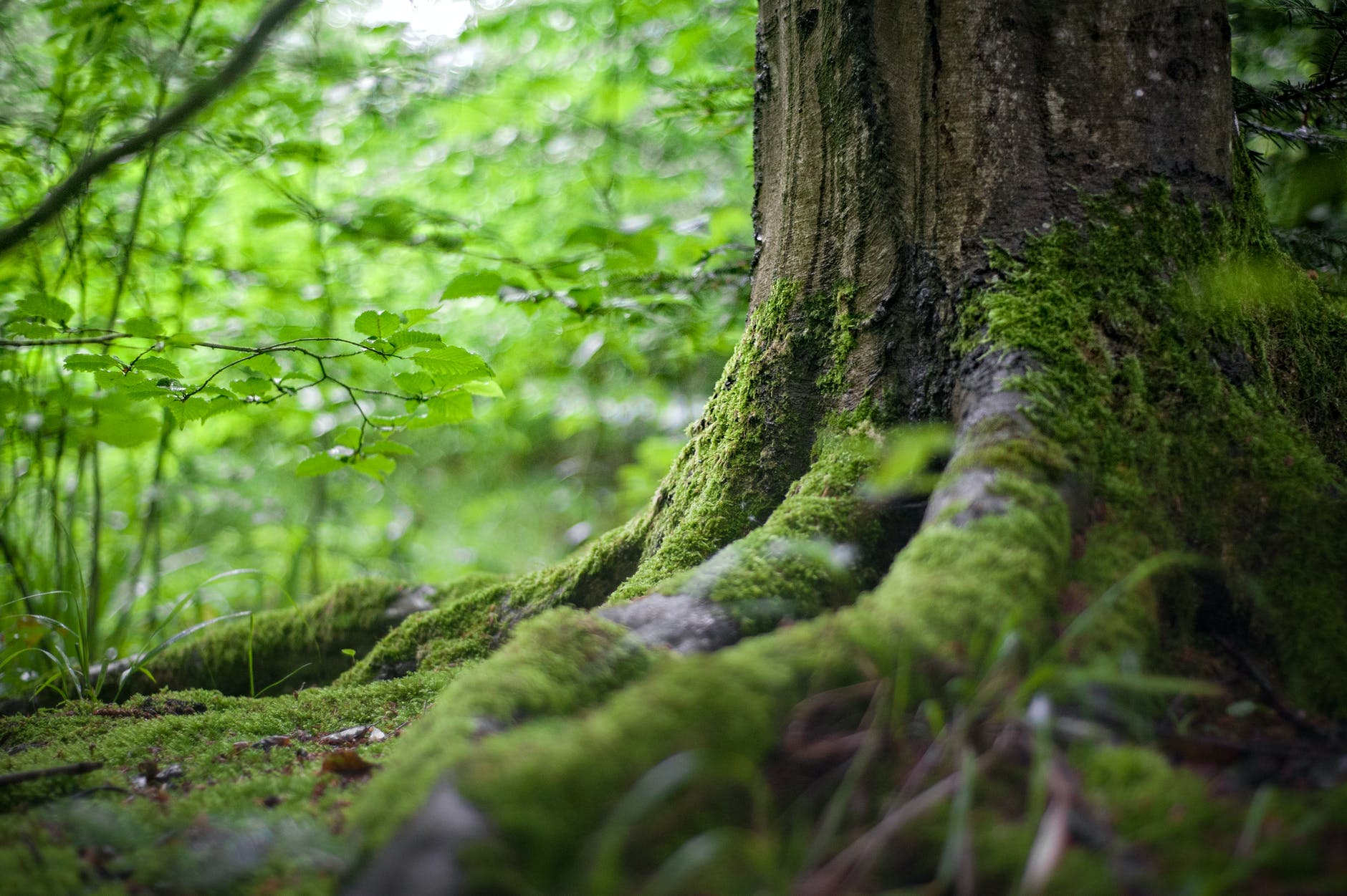
Photo by mali maeder on Pexels.com

The expression “forest bathing” is memorable and striking, but could also be confusing. Not only is there no need to get wet, but you don’t even have to be in a forest. The expression is used to cover different ways of connecting with nature and the outdoors. Thinking about bathing, I think of words like cleansing, immersive and soaking. So maybe this is an opportunity to feel your mind “cleansed” as you “immerse” yourself in the natural world, and “soak in” the sights and sounds of a forest, a field or a single city tree. Unlike a shower, where the focus is on speed, bathing is more about slowing down and going deeper, absorbing: as is forest bathing as a form of nature connection.

And why forest bathing? Forests do have a particular place in popular imagination. They are hushed, places of stillness, a world of their own. They enfold you in their shade. So again there’s the idea of an immersive experience of nature – but as we know, that’s in no way limited to forests themselves. I used to walk regularly in a wood. There was a hush, a feeling of being enclosed, away from the open fields which surrounded the wood. Walking there regularly I got to see it in all different moods and times of year. But now that I live nowhere near a wood or forest, I still immerse myself in nature all the time.

Founded two years ago, the Forest Bathing Institute is working to develop forest bathing in the UK: running forest bathing gatherings at places like Leith Hill, Kew Gardens and the RSPB Sandy reserve, and training people to become forest bathing guides themselves. Another important aspect of their work is cooperating with six UK universities on research into the impact of forest bathing. Lived experience and testimonials can be powerful, but assessment, monitoring of measurable impacts, is needed if forest bathing is to gain the recognition and funds it deserves. To this end, the UK’s first peer-reviewed research paper into forest bathing’s health benefits has recently been published. It reveals clear impacts on mood, emotions and also heart rate.

And forest bathing is growing rapidly. Organisations like the National Trust & Forestry England promote and explore forest bathing. Many Forest School programmes in different locations draw on forest bathing. With forest bathing videos on You Tube, you don’t even have to be in nature – instead you can try immersing yourself in the natural world from your desk or chair.

The more forest bathing grows and the more research is done, the more questions will be answered. I wonder if people who live in urban areas benefit most from forest bathing, as a welcome contrast to their everyday? I wonder if forest and woodland will be proven to have a stronger impact than other natural settings?

Thinking of forest bathing reminded me of the Whipsnade Tree Cathedral in Bedfordshire: trees planted to form the shape of a built Christian cathedral. As in a built cathedral, this becomes a reflective, contemplative space, somewhere to think what matters.

Do you have any experiences of forest bathing to share, or thoughts or questions? It would be great if you’d like to share in Medley’s Facebook group Thank you https://www.facebook.com/groups/359291215486002

Down Memory Lane

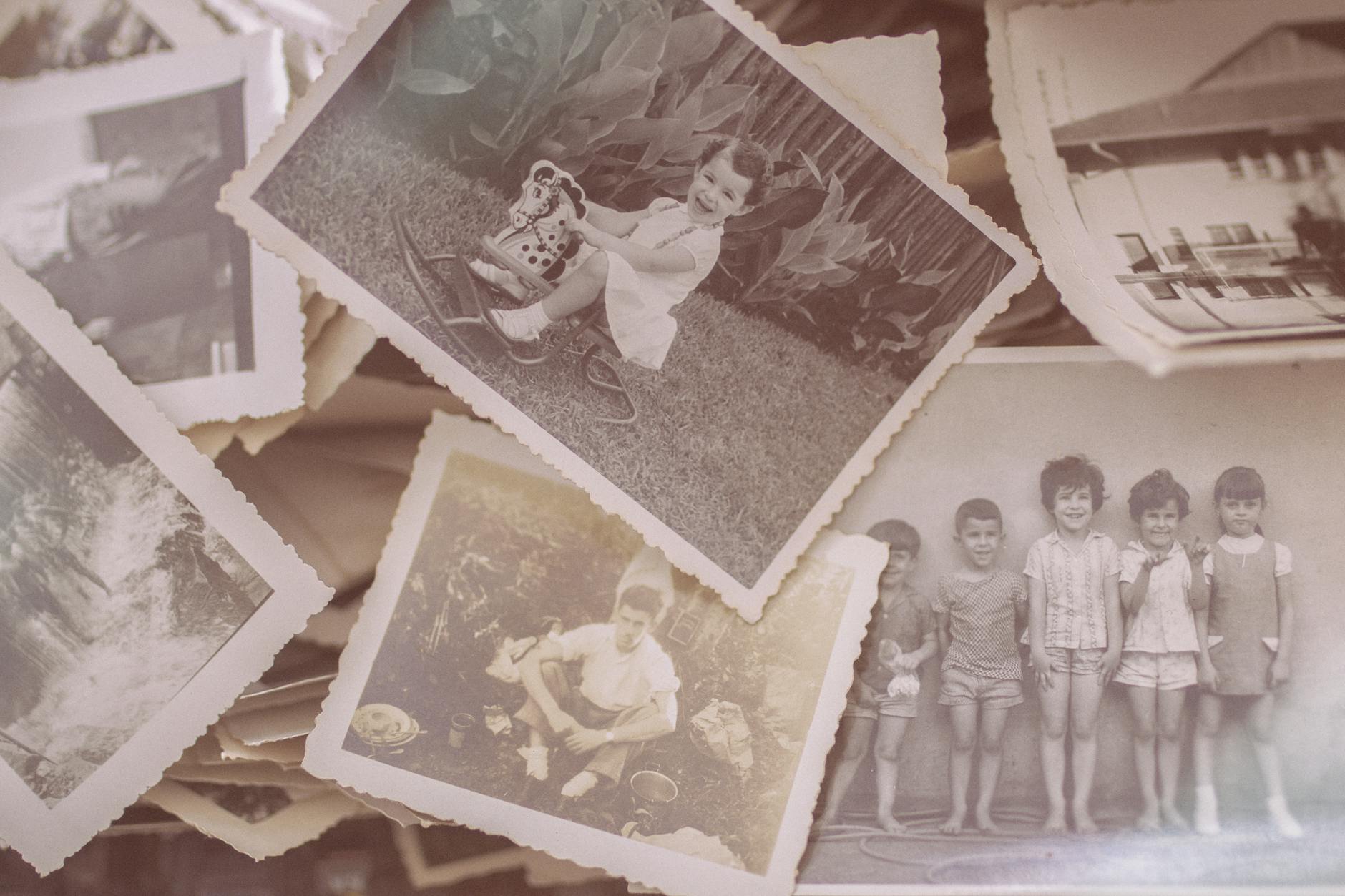
Memory – a word that packs a powerful punch. Nostalgic, bittersweet, or simply happy and unclouded, or painful, or dark, or everyday, or even drifting out of your grasp. Memory can desert us after all.

Memory can become as fragile as a dandelion “clock” – one gust of wind and the seeds float away and scatter on the air, with little left behind.

Photo by Rodolfo Clix on Pexels.com

And not all memories will be welcome. Letting them go can be a blessing, like lifting a weight or a shadow. Even if you can’t or don’t forget, the rawness may lessen, the memory blur around the edges. Years ago I read a Laura Riding poem about the “thistlepath” of memory that summed this up so well, but I have never yet found it again. And sometimes the memory remains as strong and as stinging as ever.

Other memories root us in life. Remembering good times can be reassuring, consoling or just fun, something to laugh about or raising a smile. Yesterday I found the first artwork I remember creating, a colouring of Santa for a children’s competition. My 4-year old self used every colour crayon I could find, obviously not knowing that Santa is supposed to be red and white.

Each month through this special year as UK City of Culture, Bradford 2025’s organisers have suggested a different drawing theme. An art for wellbeing group which I lead (based around Bradford) has experimented with each idea in turn, and for December the final suggestion came from artist Phoebe Boswell, and it’s all about drawing memories.

How might drawing memories be a helpful thing to do? Wondering what to draw for the Bradford 2025 challenge was interesting, making me reflect what truly stands out as I look back, what I would consider my happiest memories or the moments I’m most glad happened, and what negative memories I feel I need to remmember and which I’d rather let go. The little everyday things can get overshadowed, and yet they make up the fabric of our lives, and can be more enjoyable in the moment than some of the highlights.

So getting creative about memory can help reassess priorities, see what matters to us most. It can celebrate, allow us to feel that moment or period of our lives over again. You might draw your first memory, or a song, a show or a tou you remember from childhood. Or you might prefer to dwell on a more recent memory, maybe looking back over this year as 2026 nears. Many of us like to preserve memories by writing a daily diary or journal, and taking photos or video. Drawing’s another way to hold on to memories and record maybe too how they make you feel. Or if it’s something you want to forget, you could draw the memory quickly, then tear the paper up, or cover the image with paint or scrawl. Maybe a concrete way to cast it aside, even if only in that moment.

Reminiscence therapy is another way that memory can be celebrated and shared, even revived. It’s being used more and more, with photos, household items, music and conversation as a stimulus to spark a memory and exercise the brain, as in early-stage dementia. Art and creativity can be used within reminiscence therapy, making collage or scrapbooking on a theme as you talk for example.

There are so many different ways to use art and creativity for wellbeing. Maybe drawing memories would help. Or maybe you prefer to live in the here and now, or look ahead. Draw something that enriches the here and now instead.

Confidence And Community

Hold a pen or pencil in your hand and draw a line on a sheet of paper. A simple act. How do you feel? Excited, wondering what image you might go on to create? Bored? Daunted? Is it full of possibility? Many more of us all the time are experimenting with art and with the arts in general, to see how they may boost our wellbeing. But even as creative health has become so mainstream, there are still many barriers to participation, all kinds of barriers that may stand in the way.

Photo by Rene Terp on Pexels.com

What about the “four Cs” for a start? Confidence is a major barrier, because so many people doubt their artistic ability. They may feel happy crafting or colouring, but shy away from drawing in particular. Sometimes in the end they enjoy experimenting and laughing off their own fears, but sometimes it can be more serious. There’s imposter syndrome, where a person feels out of place, as if they’re not entitled to be there or do that, or don’t deserve to. Such low self esteem can be deep rooted, sometimes in negative comments by a school teacher or other adult during their younger years, sometimes down to more generalised anxiety or identity issues. And even if a little renewed confidence starts to emerge, staying motivated is more unlikely if art feels like an uphill struggle.

And that leads on to the second C, Commitment. Someone might start out motivated, but be unable to sustain that over time as they lose interest or the initial buzz wears off. Other practical time commitments can also prevent participation, whether work, caring commitments or hospital appointments. Or a person may be too ill to attend or take part and so drift away.

Then there’s Concentration. People may have short attention spans, or have trouble focusing because of pain, anxiety or depression. ADHD can further hinder concentration, as the brain races ahead and boredom soon sets in.

And there’s Convenience. Online groups raise issues of digital literacy and exclusion, and ironically it’s people who could most benefit from home-based activities, like older people who have trouble getting out, who are most likely to be digitally excluded. In-person groups may not be possible for them, or for people of any age who are ill, disabled or have no transport.

As an art for wellbeing practitioner, I’ve encountered all these issues and more – shared by participants, or, importantly, by those who do not participate, as problems that hold them back. Overcoming these and making arts for wellbeing as inclusive, positive and equal as possible is fundamental. It’s one element that is at the heart of the Creative Health Quality Framework, and of other initiatives, like emerging work by the National Centre for Creative Health.

To be truly inclusive, any activity needs to be flexible and open, and responsive to the individual. Making group activities inclusive is a challenge where members’ wants and needs differ, although I’ve found that it can be helpful sometimes to suggest a wider theme rather than a specific idea. Have examples to show anyone who prefers to follow a lead, but leave the overall prompt flexible so that people can take it in whatever direction they choose. You could suggest a figurative art activity and also a more experimental, abstract idea on the theme, for those who have more confidence with abstract art. Sometimes I suggest two ideas on one theme, one art, one craft, so participants can do whichever they choose. Yes, craft is usually more inclusive for those who are wary of drawing, but demands more material and equipment (an issue for online groups, where materials won’t be provided). And it’s more likely to exclude men, as craft still has more of a traditional gender bias than art. Even with art, gender still seems to be another barrier to participation, with men considerably under-represented. The ratio of participants in my most recent art for wellbeing challenge was 59 women to 1 man.

There’s a fifth “C” I want to include, which also shows how what feels like a barrier to some is the very opposite to others. It’s Community. Taking part in arts for wellbeing isn’t only about creativity, it’s about connecting in community too. And for someone with social anxiety or phobias, that can be a real issue. Yet I’ve heard fellow practitioners say they know many participants come more for the chat over tea and cake than for the painting or the singing. That’s not to say they don’t enjoy the activities, more that connection is such a powerful motivator to encourage them through the door in the first place.

Do you have any thoughts to share about what makes creative health inclusive or exclusive?

Slow Looking

How long would you spend looking at a painting on an art gallery wall? Or in a book, or online? Recent research found that the average person spends just a few seconds. Is that enough? Is it more important to see as many different paintings as possible, or to dwell on one or two? There’s now a move towards “slow looking”, encouraging us to stop and linger. How might that deepen an encounter with art, and impact mood and wellbeing all the more?

Photo by W W on Pexels.com

Yes, in a few seconds you’ll probably form an overall impression of a picture’s style and subject, and maybe that’s what you are most likely to remember. You might glance at the painting’s label to see when it was painted or who by. Even a quick gaze around a whole room in a gallery might direct you to just one painting you want even to see close up. Something will stand out, the others you may dismiss. And if time is limited, you want to feel you’ve seen all there is to see. I know I’m more likely to take my time not in a gallery or exhibition but at home, flicking through an art book. Even then, slow looking would not be instinctive to me. I like to move on.

But more and more, taking time is found to boost wellbeing – time to be in the moment, mindfulness, slowing and stilling ourselves. Once it becomes a habit, it can help calm a racing mind, and become a way to recharge, fuel for the journey on. As life gets busier there’s ever more searching for quiet and calm. That’s partly why there’s growing demand for meditation, and slow looking can contribute to this. It’s about taking time out to reflect and go deeper. And looking can be a more inviting way in. If silence feels too raw, gazing at nothing too blank, then art becomes a focus. Accustomed as we are now to constant stimulus, with endless content only ever a tap away, suddenly shutting all that down to be still and reflective can be too big a leap. Using a painting to dwell on can be a halfway house.

Events, talks and exhibitions are all fostering slow looking. At the moment, the National Trust is touring a Rembrandt self portrait to allow more audiences to connect with the painting, encouraging slow looking as they do so. I also heard about a university professor in the USA who asks her students to spend three hours looking at a painting. Now that takes slow looking to another level! It may well be very productive, but I do think it could also become something of an endurance test. It makes me wonder how long an artist would want someone to spend looking at their painting. More than a few seconds, yes, but maybe spend too long and you could lose that first impression, the painting’s essence.

How could slow looking most help wellbeing? Taking time to enjoy the painting’s colours, brushwork, style, to look at light and shade, to reflect on the picture’s mood and atmosphere and its choice of subject. All of this is absorbing and stimulating, drawing you in to new thoughts, drawing you out of yourself for a while. Whatever painting you choose, it is something that stands alone, out of time, and may be totally new to you. Different styles or genres may have distinct impacts – a colourful abstract might be more restful, or a crowded genre scene more stimulating. Maybe simply looking at the picture is most mindful, or maybe learning how, why or when it was painted would help you dwell on the painting for longer, and open up more to think about so that slow looking becomes more of an escape from everyday life.

Or maybe another form of slow looking is about exploring what the painting might have to say about life issues – how paintings express mood or feeling, or how they make us feel and respond. Conversations About Art https://medley.live/conversations is a course I’ve produced that encourages people to reflect and/or talk about life, wellbeing and mental health through looking at famous paintings.

Another alternative for slow looking is to try copying or reproducing the painting yourself (once the law allows, seventy years after a painter’s death). Where someone struggles to concentrate or slow down, making this a creative activity is more likely to hold attention. I usually prefer to draw or paint my own ideas, but when I do copy occasionally, I know I spend longer with the painting and observe far more.

What do you think? Would slow looking help your wellbeing?

The Magic Of Music

Just one year, 1935, produced two of the most legendary musical superstars of all time. Elvis Presley was born in January 1935 and Luciano Pavarotti that October. One burst on to the music scene and shook it all up, the other brought new life to the classics.

Photo by Mick Haupt on Pexels.com

I don’t play music or sing, and I spend a lot of time being creative instead with art or craft. Yet music lifts my spirits like little else. Music like this is high octane, dramatic, literally all-singing and all-dancing. Where life might feel dreary or humdrum, music sprinkles stardust. Listen to Presley’s Hound Dog on a dark autumn morning and the day has a new rhythm. Or hear Pavarotti sing La donna e mobile and rediscover a zest for life. Music like this throws tedium out the window and switches on the lights. It’s larger than life.

Why else would the 1990 football World Cup be remembered for the Three Tenors’ opening performance? New crowds and audiences were experiencing opera in a new way, as it added high drama to a tournament that was full of drama all its own. And why else would Elvis Presley still be revered as the king of rock ‘n’ roll, almost fifty years after his death at the age of just 42? Graceland, his Memphis mansion, continues to draw immense crowds and to develop new immersive experiences and light shows. The recent Elvis film brought him to a new generation, but even before that his music was threaded through many layers of entertainment.

Just how is the music of these two musical giants so positive for wellbeing? Elvis Presley came to embody the American Dream – endless possibility, a fairy tale of (relative) rags to riches. He’s celebrated for breaking new ground, experimenting & innovating, at a time when music and art alike were in flux and shook off tradition. There’s no doubt that hope, possibility, dreams, lift our spirits and raise morale. And deep down, the very heart of Elvis’ legacy is all about the music – not the fame, the wealth, the glamour or the ups and downs of the rock ‘n’ roll lifestyle, but about songs that get you to your feet every time, and give life rhythm.

That’s true of Pavarotti as well. Alone or as part of the Three Tenors, he travelled the globe and sold out concerts and albums. He too hit the big time after everyday beginnings in his father’s bakery.

Any music style or genre can lift mood and boost wellbeing, whether it’s folk or songs from the shows, and I know I like different music at different times, and I know that sometimes I don’t feel drawn to something like opera. Elvis just feels more life-enhancing, more lively, more fun – but once I start listening to Pavarotti, that too can raise life to another level, with its sheer power and otherness. It can become a time away from issues, a refuge where rhythm and beat absorb you.

And what stands out is the empathy. Surely most moods will find an echo in one or other of Elvis’s hits or Pavarotti’s songs. Longing, pain, hope, joy, fear, adoration, they’re all there. It just shares some of the weight. Others feel that way. Onwards.

Glimpse Something Deeper

Over the last few weeks, one word has cropped up time and again as I’ve spoken with participants in my art for wellbeing activities. It’s something they say they’ve found very beneficial, or that they would like to start – but they say demand is high, and they can’t always find local or online groups. The word? Meditation.

Photo by Pixabay on Pexels.com

Yes, I’ve known for a long time that there’s surging interest in meditation and mindfulness for wellbeing, and I know meditation can be recommended for anxiety and depression, high blood pressure and pain management, to name but a few. But hearing these people share their thoughts and experiences, I’ve started to wonder. Why is meditation so helpful, so positive, so worthwhile? Am I missing out? Why do people instinctively feel drawn to a practice that is unfamiliar to many of us these days? What does it reveal about our innermost needs? And how might it complement creativity and art for wellbeing?

Everyone may interpret meditation in a different way, or come to meditation with different goals. It may be about slowing down, setting aside time to be, to think, to feel. For many, it will be a way of searching for something beyond, something other – for purpose, for hope itself. Meditation can be about being attentive and aware, present in the moment. Thinking deeply, or on the other hand, not thinking at all, but clearing and cleansing the mind. Meditation can be described as a form of prayer. It can be about listening or reflecting or being. Feeling held or feeling open and liberated.

I want to discover more about the diverse forms meditation can take. It may be guided meditation, where a leader talks you through, maybe visualising a scenario and inviting you to make choices as you go or to think through how you would respond. It can be indoors, outdoors, alone or in a group, or using an app. There’s meditative walking, music-making or dance. There’s lectio divina, meditative praying over the Bible. And yes, visual arts can be used within meditation. This might be a simple way to ground yourself, such as drawing a line each time you breathe out, the lines getting longer as you breathe more slowly. Or you could use art to respond to meditation, drawing a motif or symbol to represent something in the leader’s words or in your own mind. I like ideas like these, uniting meditation with action. An active response can help with concentration, which might be a barrier to meditation particularly if anxiety is robbing you of your powers of concentration, or you dread overthinking. And meditation & contemplation are “not only” about reflection, silence, stilling ourselves. Rather, they can become a spur to action, a time to prepare or fuel ourselves so we start back out renewed.

So many of us search: for truth, for purpose, for rest. Meditation can be part of that search, and it can draw on traditions such as the Christian tradition, which shares how meditation can help us rest in God, contemplating God as seen in Jesus, in awe, wonder and mystery. And that’s not all. It can change perspectives, how we see ourselves and the world. Today, initiatives like Contemplative Fire (www.contemplativefire.org) reinterpret these traditions for new generations, questioning and exploring meditation as an embodied spirituality, along with many other ideas. There’s a long tradition of Christian meditation, after all, rooted in Celtic Christianity and in the writings of mystics like Julian of Norwich and the authors of The Dark Night Of The Soul and The Cloud Of Unknowing. Maybe meditation will come more and more to the fore as a distinctive practice for a world that wants to (re)discover truth and faith its own way, to explore and experiment – and a way back in?

As I wonder about using meditation for wellbeing, I think a form of meditation that draws me out of myself would be the most helpful. That’s where I feel Christian meditation adds another layer, making the experience richer and deeper. Knowing yourself, knowing God, knowing what is all around us.

I know so little about meditation that I’ve only scraped the surface. But maybe that makes sense. It’s all too easy to live on the surface of life, to shut out thoughts and content ourselves with the everyday. Meditation is a glimpse of something deeper.

Either/Or

Can wellbeing initiatives such as befriending, arts and crafts or gardening be just as beneficial as a talking therapy like CBT? On the one hand, demand is constant and CBT has boomed, within the NHS and beyond. But on the other hand, doubts have started to be raised, and it’s now believed cognitive behavioural therapy, or CBT, can be negative or even damaging to some patients. Discovering these reports recently, I wanted to learn more – about why CBT might prove unhelpful, and what might be positive alternatives.

Photo by Vie Studio on Pexels.com

Maybe the most interesting report I found was a 2014 review by the Cochrane Group, which compared CBT’s impact with other, more informal and everyday approaches, such as befriending. It concluded that these alternatives could be equally beneficial. To me, that suggests that what many patients seek is the gift of time, of connection, of stimulus, of sharing, and that these can be of profound benefit in themselves.

Yes, the human brain is massively complex, and so is the variety of individual thought patterns. But within that complexity, there are also common threads, and the simplest, most instinctive experiences can be the most positive.

CBT can be wonderful: recharging, setting thoughts in new directions, enabling and encouraging. It too gives time and space for sharing and connection, only it focuses that time and space on issues, difficulties, problems. For some that can feel intimidating or oppressive. For others, it’s just what they need. CBT addresses thought patterns head on, so it can be concrete and specific where wellbeing initiatives might feel too vague. Sometimes suggesting befriending or art to someone can look like you’re brushing aside whatever they may be going through. But they are flexible alternatives, and they won’t ask you to change how you think. Instead they open up time and space in a different way, giving perspective.

Then there’s life coaching as opposed to therapy or counselling. I offer life coaching, as well as being an art for wellbeing practitioner. Life coaching is more of a shared experience, setting goals together as you encourage someone to discover and think more about themselves and how they live – not giving answers.

I like to compare and contrast the different ways that visual art can benefit wellbeing too – whether it’s used to express thoughts and emotions directly, or rather as an escape, a refuge, a stimulus, for rest, calm, fun, respite. Confronting issues head on, or recharging – or combining the two. Expressive art can feel negative and fuel overthinking or depression, like CBT. But it can also encourage someone to think through an issue in a new and creative way. Non-expressive art on any theme can feel irrelevant, but can also root someone in life and shine a light.

For any intervention, there’ll be doubters and naysayers. ADHD is one issue where doubt is being cast on the use of CBT. A 2024 University of Nottingham study identified negative experiences for a majority of 46 people with ADHD surveyed, with reports of feeling inadequate or distressed. One theory may be that CBT lags behind the rate at which people with ADHD think, and that’s where the very flexibility of other initiatives such as mindful gardening or painting could prove more absorbing, even as a balance with CBT.

What stands out is the need to experiment with an open mind, to see what helps any one of us as an individual. And not to assume that therapy will always be more beneficial than practical, tangible experiences. But it isn’t about either/or.

Express Yourself

What do the words “comic book” or “graphic novel” conjure up for you? Do they awaken nostalgic memories of comic strips you enjoyed as a child, or do you read them here and now? Maybe you are contributing to the recent boom in comic books and graphic novels. All the time they’re becoming more varied and more successful, for all age groups. As I share art for wellbeing, I always like exploring different ways in which visual arts can enrich life and improve mental health, so I’m intrigued by the growth of graphic novels.

Photo by khairul nizam on Pexels.com

The graphic novel was born about 200 years ago, and during those two centuries has ebbed and flowed. Although known as novels, they’ve also diversified to cover non-fiction. Usually graphic novels will be longer, while comic books come to 32 pages at most. So thriving is the graphic and comic scene that there are many comic conventions (known as cons) across the UK, such as The Lakes International Comic Art Festival and MCM Expo) and the world.

What I think stands out about the genre is the way comic and graphic novels combine & interweave word and image, or make art the main or only driver. Book illustration has a long and wonderful history, but in many illustrated books, words build the narrative while illustration becomes an add-on. Comic or graphic novels level the playing field, or dispense with words altogether so that visual art alone becomes narrative. It’s a powerful storyteller! And while I enjoy most book genres, I don’t like long digressions or descriptions. Graphic novels cut through all this, never losing momentum.

What particularly interests me about comic strips or books and graphic novels is how central they could be to art for wellbeing – a perfect space for expressing thoughts and feelings or for exploring an experience, real or imaginary, through visual art. They could help as an activity – creating your own sequential art, as it is known – or as a stimulus – reading a comic book that delves into an issue important to you.

It was Roy Lichtenstein’s Pop Art masterpieces that first set me wondering about using comic strip style within art for wellbeing. Enjoying the bold line art, I came to see how Lichtenstein was using the genre to explore diverse experiences, like family conflict or growing up. So why not use comic art to express personal feelings too? I’ve started out, and would like to do more.

Comic art is so exact, clean, everything in its place, yet it captures brilliantly the messiness of life, the little everyday dramas. It raises the personal or individual to stand alone, to become a narrative that has something to say to everyone. Reducing thoughts or experiences to a handful of words to fit a speech bubble, or to a few lines of drawing, helps you sum up how you feel and highlight what matters most. Every word or stroke of the pen counts. It’s also a useful tool for visualization, picturing how a scenario might develop, taking it in different directions.

Comic books and graphic novels have developed far beyond the superhero story or children’s comedy – although these themselves can also be useful wellbeing tools. Sit down with a blank sheet of paper, forget rules or traditions, and improvise. It might just become another creative way to think, and to unravel those thoughts.

Changing Minds

What’s the first thought that comes into your mind when you hear the words creativity, the arts, music, dance, drama, art or craft? Do you think “wonderful, enriching, fun”? Or do you think “boring, scary, not for you”?

Photo by cottonbro studio on Pexels.com

Many of us do have an instinctive yes or no response to lots of things in life. Dismissing the arts, or sport, or skydiving, or growing your own fruit and vegetables, can become a habit or limiting belief. It can reflect low self esteem, feeling you are not good ebough or don’t have the ability or skills needed. Particularly true with art – since becoming an art for wellbeing practitioner, I’ve heard lots of people dismiss drawing with a laugh. “But I can’t draw!” End of story. But is it?

Shutting off an entire area of life feels negative. And all the more so when it’s about creativity, a fundamental human outlet and a way of being present and active while expressing ourselves. How can we become more open to creativity and new forms of being creative? How can we also encourage others to be more open, and foster creativity?

Behavioural change is an uneasy term. It feels like coercion or pressure, as if someone feels they know better than you and want to bend you to their will. No one’s wellbeing is likely to benefit if they feel they’re being pushed to change. It’s more likely that we will dig our heels in. Maybe that’s why the Cabinet Office’s behavioural change unit is known as the Nudge Unit. After all, a gentle nudge sounds harmless enough. And central to encouraging behavioural change is to make it easy and to make it obvious.

How might that fit the arts? Make it easy to experiment with creativity – such as highlighting quick, simple art ideas, which I like to suggest and share, ideas that take only ten or 15 minutes to complete – but can be just as beneficial, and are likely to fit more easily and sustainably into your life. Drawing is also easier to set up and clear away than all the messiness of painting. Or try watching short plays streamed online to get into theatre. Or try a xylophone or tambourine or other widely available & inexpensive percussion instrument to get into music in a new way. And make it obvious? The more the wellbeing benefits of the arts become widely known, the more likely we all are to give them a try. All the more so if we get into creativity in childhood, so that it becomes an obvious pastime to come back to in later life – which is why the decline of arts in schools needs to change in itself.

One theory of behavioural experts is that most people are more likely to pursue an activity if they identify with other participants, if it fits their self image and if they trust the person suggesting the activity. Most of us do like to be in the majority, so the more popular an activity becomes, the more likely we are to join in. Making all the arts as mainstream and as inclusive as possible is vital. So is highlighting that creativity is hit and miss, that we will all be dissatisfied with what we create sometimes and that it’s more the experimenting that matters.

No behavioural change is straightforward, and many limiting beliefs have deep roots. All any of us can do is open our minds to possibilities, even if they still feel a long way away.

Communities That Care

Creativity plays an important part in many care homes – and so too does community. With care homes running varied activities most days, alongside the quizzes, outings and bingo there are lots of music, arts and crafts. This week is Care Home Open Week, and I’ve heard people sharing how they feel about the prospect of living in a care home, the positives and the negatives. Feeling supported, safe and understood – or feeling shut away, closed off, dependent. Out of sight, out of mind. Of course any care home is a community of its own, and dedicated staff use real imagination & initiative to boost wellbeing. But it’s also so important that events like Care Home Open Week highlight and reinforce the community links that most care homes do foster.

Photo by Brett Sayles on Pexels.com

None of us like to feel left out or left behind, at any age. Research by the Campaign To end Loneliness and Sanctuary Care this year showed that feeling connected to your local community gives a sense of belonging, safety and support. And while you might think loneliness is unlikely living in the communal setting of a care home, it’s an under-researched issue, and there are indications that it can even be more of a problem among care home residents than older people who live independently.

That’s why throwing care home doors open wide is so positive.

And creativity can be one way to help strengthen and restore community ties. There are music initiatives where choirs and performers go into care homes to sing or play. There’s an organisation that gets primary school pupils to read stories to care home residents. And this year I’ve started the Make To Give initiative, arranging for community groups and children’s clubs to make handmade greetings cards to give to care homes local to them (https://medley.live/mtg)

Creativity can become common ground and a tangible way to share and connect. But of course there are also many other ways to open up care homes, whether that’s with therapy animals (likedogs or even Shetland ponies!) or befriender visiting, like YOPEY Dementia Befriender’s wonderful work.

Care home residents may be frail and unwell, and need support and care – but they also need stimulus (proven to be particularly important for people who have dementia) and something to do when they are unable to spend time on usual everyday tasks. The more communities remember the care homes in our midst, the more positive an experience care home living can become.

I remember a lady saying that when her husband’s Alzheimer’s progressed and he moved to a care home, he became more relaxed, because he felt understood and wasn’t having to play a part. That shows just how care homes can be a haven, a port in the storm. And that haven needs community to be the best it can be.

Serendipity

Even the most reluctant gardener (or rambler) is more likely to venture out at this time of year. Many plants and flowers emerging, fresh leaves on the trees, roadside verges high with cow parsley. Yes, gardening can be fun, but also back-breaking, frustrating, a losing battle to stop weeds and bugs taking over – or maybe the secret is to think again. I discovered a piece of RHS research which last year found that one way to improve wellbeing might be to garden more naturally and sustainably, allowing wildlife to thrive. Gardeners who let wild flowers and grasses grow, who weeded rather than spraying, and who encouraged wild creatures, were found to have better levels of wellbeing.

Photo by Mustafa Necati Oksuz on Pexels.com

Maybe the luxuriance of grasses and wild flowers taking root, like during No Mow May, lifts mood as you see nature’s fulsome exuberance bursting out. Maybe doing something different with your garden in this way is a welcome stimulus – think the serendipity of seeing what grows when you loosen your hold. And maybe it’s that very letting go that’s positive, even liberating. Let nature do its thing, stop fighting. Not giving in, but giving back. Actively choosing to let nature in, not passively feeling you’ve failed to rescue your garden from nature. Seeing it from that different perspective makes cooperating with nature an empowerment.

Or maybe it’s the sheer time spent at nature’s level that helps, as you weed and tend. Another 2024 study found that how we perceive time slows when we’re outdoors interacting with nature. With time anxiety now a common issue, overshadowing more and more lives, it has to be good news that being in nature slows us down. The research was entitled “Time Grows On Trees” and conducted by Canadian researchers, who concluded that walking in a park felt slower than walking in a city street. This helps improve mood, lessen tension, and make people more reflective, thinking ore deeply and longer-term, so that they are more likely to plan and attain goals. It’s surely all about perspective, nature opening up different perspectives, where our everyday tasks and worries fade into the background for a little while. Nature’s time patterns feel very different, with none of the rush and bustle of traffic or phone notifications, and that may gradually rub off on us the more time we spend with nature.

Other research has compared the diverse impacts of particular natural environments or settings or ecosystems. For example, walking along country roads can boost wellbeing as you see wild flowers and grasses in the verges (like in a sustainable garden) but also by encouraging rhythmic, steady walking, which is known to improve memory and learning. Walking by the sea is thought to lessen depression and other inflammatory issues and conditions, by breathing in chemicals that sea air naturally contains.

Maybe variety and diversity in the garden is important too. Any truly sustainable garden will be varied and diverse, simply because that’s the best way to encourage as many species as possible and to foster a balanced and healthy ecosystem. Different plants will all have different impacts on our wellbeing too, creating a rich whole.