
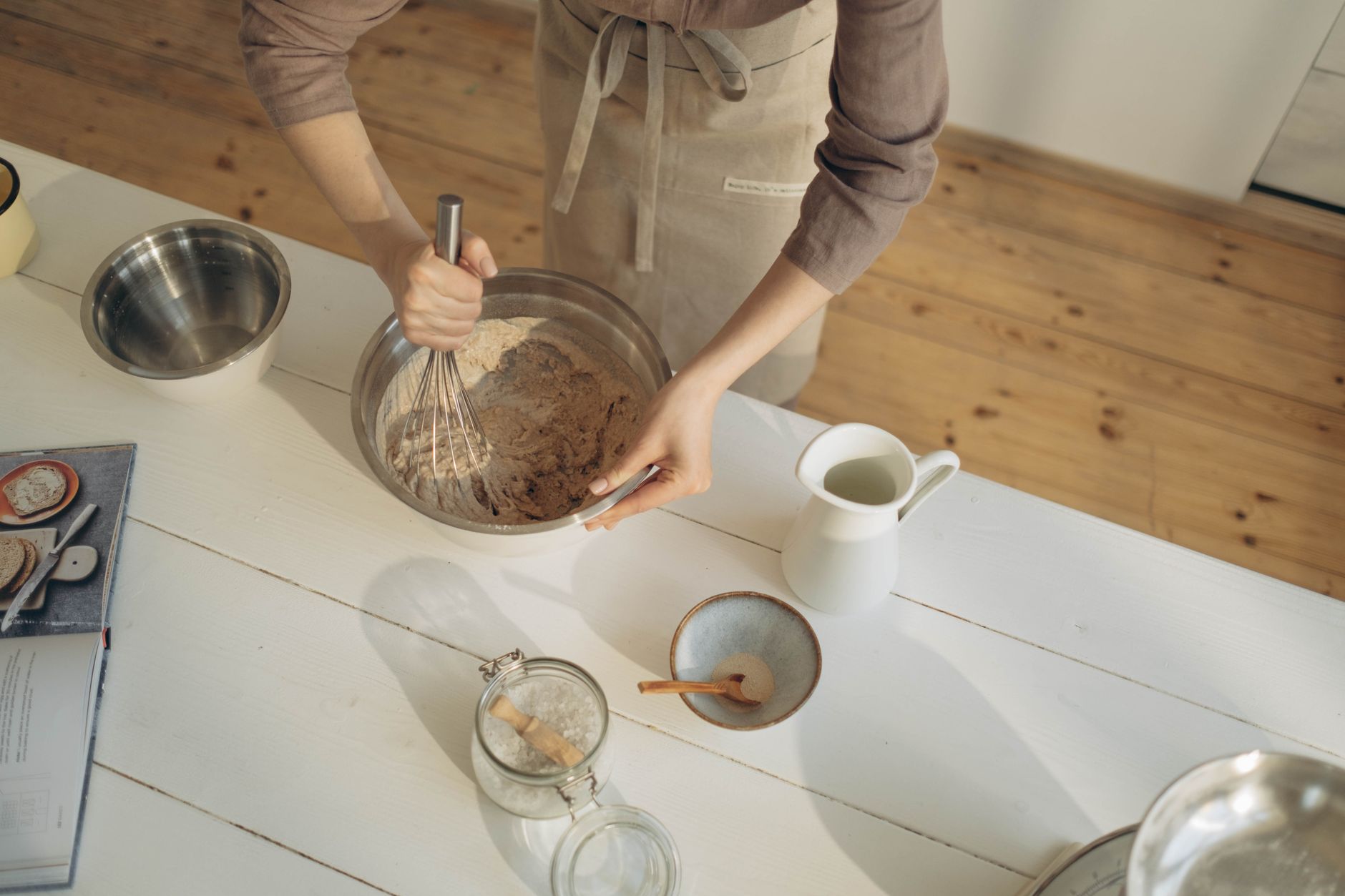
Is there a recipe for what most helps wellbeing in a group setting? Is it ever possible to generalise about something so personal & individual? As I’ve led and facilitated a few different kinds of wellbeing groups lately, they’ve set me wondering about this once more. Is there a golden rule for the ideal group, a magic ingredient? Or maybe the sheer variety and diversity of groups & initiatives that exist now is that magic ingredient: strength in difference. In running a wellbeing group, then, should you take 500 g company and 50 ml creativity, or equal amounts of activity & chat, or maybe company is the only ingredient you need?
As an art for wellbeing practitioner, sharing creative activities is obviously my priority, and there’s no doubt that it adds another layer to a group. Coming together to share not only time but also an activity. Seeing how others interpret the idea or theme and what they produce. Agreeing that you all like a certain medium or think pastels impossible, or getting ideas for new styles to use. Showing what you draw or paint or craft (motivating for some, scary for others). Sharing a creative activity shifts the focus of a group, so that at its centre is creativity, which is something very active, productive, positive, colourful, tangible and sensory. Of course conversation during the group will never be limited to arts and crafts. But even while we talk about everything under the sun, the session still has that central focus which enriches and enhances.
Exercise, dance and walking groups for wellbeing have a lot in common with creative groups – uniting participants on common ground, that extra layer of activity to enjoy together (although exercise groups may have less time or spare energy to chat). Singing groups, choirs and drama groups too come together around an activity to form community, cooperating as a team to produce a shared performance.
And then there are the vast majority of wellbeing groups, where the main element is company and conversation. Yes, it may well be the company that draws most participants to the other groups as well, with the painting, knitting, walking or singing simply an add-on! But whether or not they are the main attraction, these activities can still have their impact. In wellbeing groups that focus on chatting, there’s no other layer. Groups will vary at the grassroots just like any gathering. Some will have a shared link, like a group for people with a particular illness or disability. Making that shared experience the main theme of conversation can be the most beneficial way – a chance to learn how others manage symptoms, or to let off steam with others who understand. Wellbeing now prioritises peer support more and more, and it can be empowering as well as supportive & caring. Empowering, turning the tables, so people know they are helping each other, so they’re not always or only the ones being helped. On the other hand, the shared “elephant in the room” may be only rarely mentioned, as members prefer to set it to one side. And I know some people steer clear of support groups for fear of hearing horror stories and getting depressed.
Maybe it is that difference that can be all-important. If group members concentrate on little else, or have other company in their lives but want to attend a group to connect with others on this shared issue, then a chat and support group may be best. If they are weary of that issue overshadowing their day to day lives however, so that they long for a different but still caring space, then an activity group may feel more positive. And this also mirrors the differences within art for wellbeing itself: using art as an expressive tool, focusing on thoughts and feelings, or as an escape or haven, focusing on anything in life in general.
No one recipe then, but an entire cookbook. No magic ingredient, but a whole cupboard.
 Medley