
Well-being hubs and community initiatives abound. Research constantly proves that feeling connected and spending time with other people are overwhelmingly positive for well-being and for overall health. But so many well-being hubs and community centres can be found only in towns and cities. Is rural isolation still falling through the gaps? Are villages being left behind? And this leads on to another question. Which is genuinely better for well-being, living in the countryside or in the city?
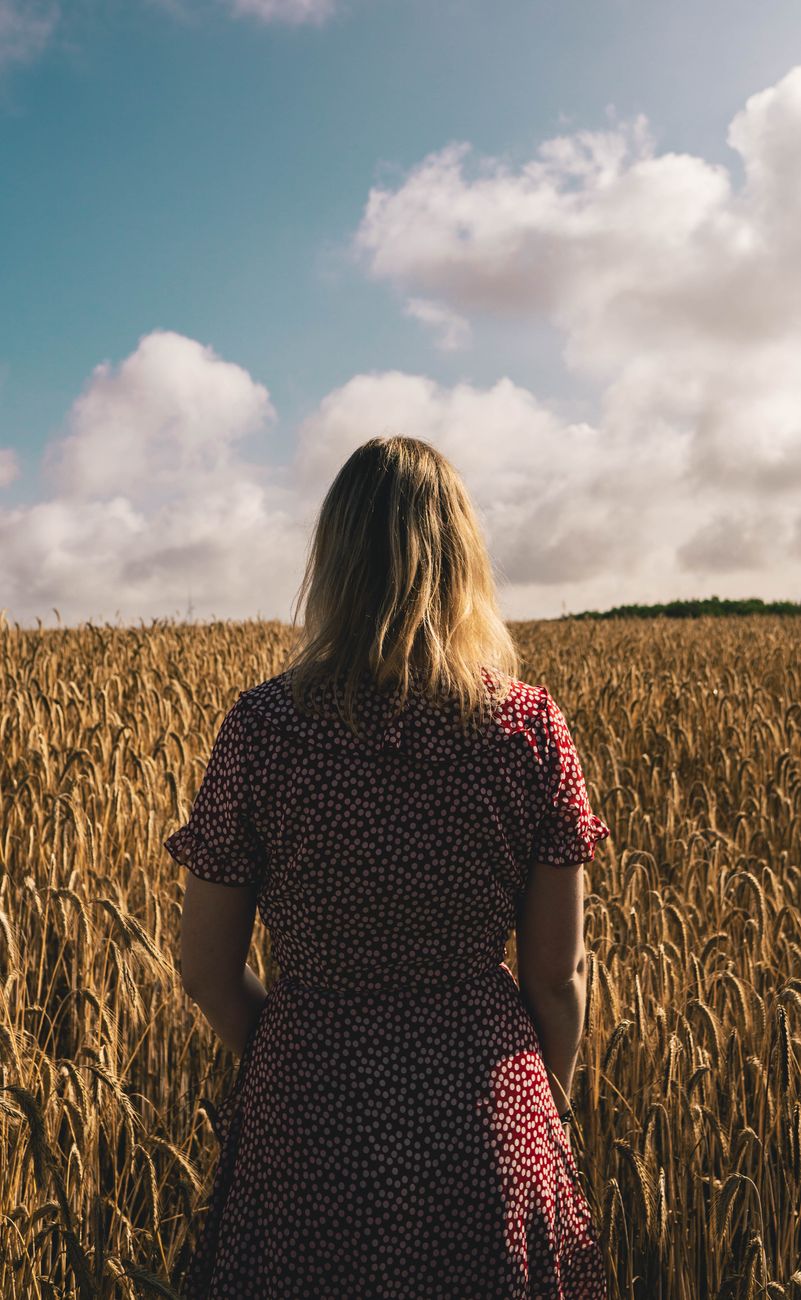
One irony is that living in the countryside and spending time in nature are known to be highly beneficial for well-being. Whether it’s forest bathing, country walks, a slower pace of life or while swimming, nature connection is promoted as calming and grounding, reducing stress hormones and blood pressure and slowing heart rate.
But is this enough to balance out the negatives? Is it even possible that nature’s well-being benefits have less impact on country dwellers? It’s all too easy to take for granted quietness, clearer air, scenic views, and dark night skies when you experience them all the time. It may well be that when city or town dwellers experience nature on a day out, it’s the contrast which enhances the impact. Calm is more likely to descend when you wander through a wood or even sit in a town park, if sirens and traffic are a more familiar soundscape for you.
Villagers have always been seen as strong and supportive communities, although this fuels negative views of villages as insular or intrusive as well. Community spirit still thrives in many villages and has only grown in some as villagers cooperate to run community owned shops or pubs. But even many villages have become less cohesive and little more than dormitories.
With relentless urbanization. An ever larger majority of people in the UK and many other countries live in towns and cities. Yes, towns and cities have many problems and are seeing real changes to high streets. But changes to how people live and shop have a disproportionate impact on rural communities where facilities were more limited to start with. When a village shop or pub closes, there won’t be another one to switch to. Villages of all sizes have seen their pool of amenities shrink over the past 20 or 30 years in particular.
And rural communities can never hope to match urban amenities. Take the boom in community well-being hubs across the UK, whether they’re warm spaces in winter, night light cafes for people struggling with their mental health, or drop in well-being cafes at different times of day, some with activities like arts and crafts or games to play, some attached to food banks. Many churches are running well-being hubs as well as other community venues. I recently attended one city well-being cafe to share art activities. It was a welcoming and relaxed space with people coming and going, sitting down for a coffee or something to eat or to play cards or do some crafting. It’s open 4 mornings a week, something no village is likely to have. Most towns and cities will now have a choice of well-being hubs, whether occasional, daily or weekly. Many are funded by a range of grants supported by trusts and foundations, businesses or in partnership with the NHS. And yes, some villages too have well-being hubs or events, but many have nothing like this, particularly smaller and more rural villages. There’s also an irony about the many walking for well-being groups which are particularly successful. They’re obviously all about getting outdoors and connecting with nature for mental health, but they’re also inaccessible to many country dwellers.
Many people who live in towns and cities either imagine the countryside to be a rural idyll, like being on a holiday all year round, or wonder how on earth you can manage without a shop or gym round the corner. Like most life choices, the reality is more complicated. As well-being and mental health initiatives continue to grow. Rural communities must not be sidelined. There are charities and organizations addressing rural isolation, like ACRE and campaigns on farming and mental health. But at present there are still real gaps in provision. There’s also real scope for more to be done, an area to prioritise in this crowded sector.
 Medley
I am planning a move to North London after 11 years of suburbia in Wokingham. Long commutes, no community spirit to speak of by comparison and a culture I will never fully fit in with. My people are urban, and it took me a long time to realise it. But I will hopefully be a Londoner again by Sept. All together now: “Maybe it’s because I’m a Londoner”… 🎵🎵🎵
LikeLiked by 1 person
Thank you for sharing Rona, that’s so interesting – and wishing you the very best in your return to the city!
LikeLike