
Memory – a word that packs a powerful punch. Nostalgic, bittersweet, or simply happy and unclouded, or painful, or dark, or everyday, or even drifting out of your grasp. Memory can desert us after all.
Memory can become as fragile as a dandelion “clock” – one gust of wind and the seeds float away and scatter on the air, with little left behind.
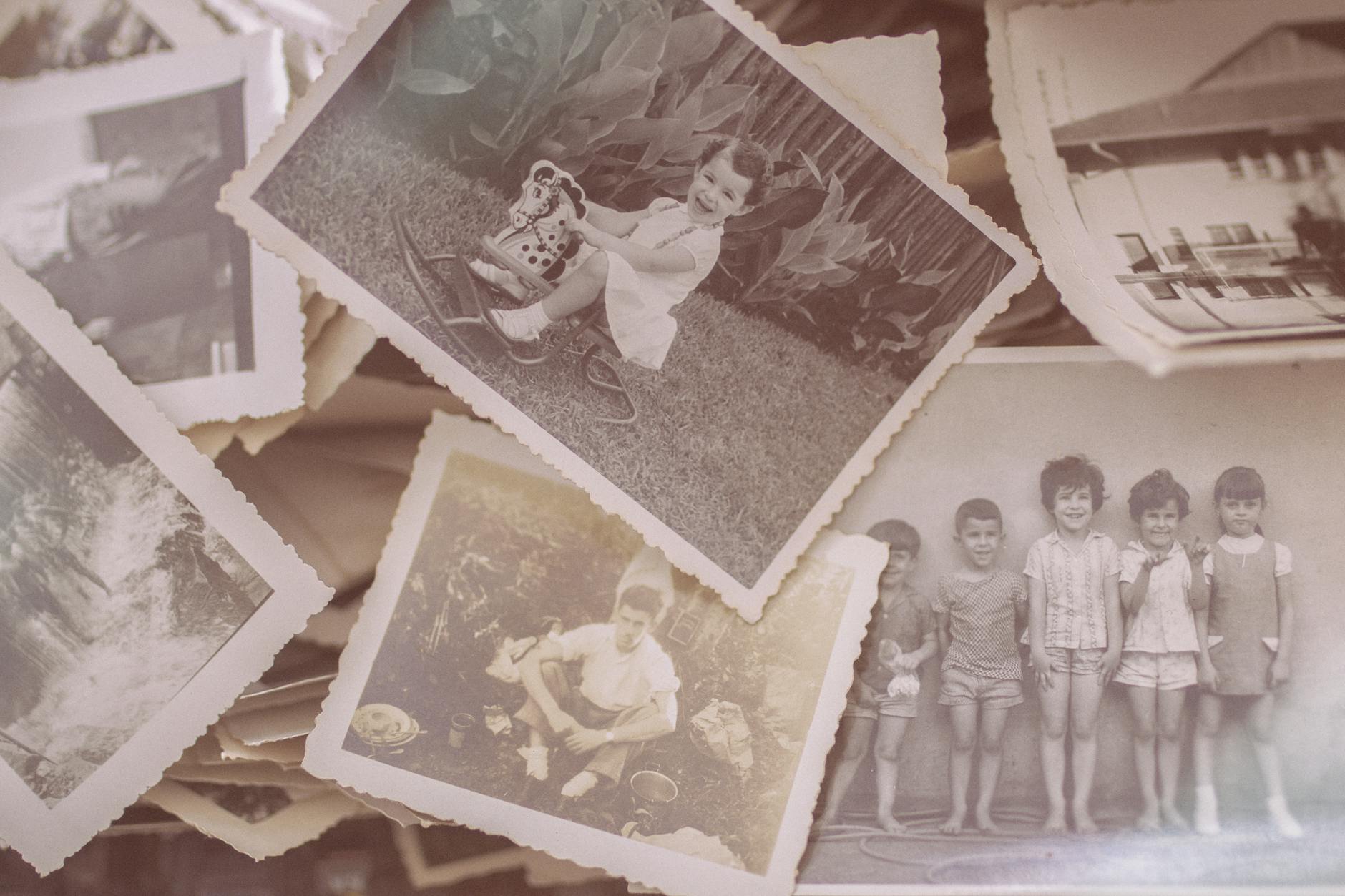
And not all memories will be welcome. Letting them go can be a blessing, like lifting a weight or a shadow. Even if you can’t or don’t forget, the rawness may lessen, the memory blur around the edges. Years ago I read a Laura Riding poem about the “thistlepath” of memory that summed this up so well, but I have never yet found it again. And sometimes the memory remains as strong and as stinging as ever.
Other memories root us in life. Remembering good times can be reassuring, consoling or just fun, something to laugh about or raising a smile. Yesterday I found the first artwork I remember creating, a colouring of Santa for a children’s competition. My 4-year old self used every colour crayon I could find, obviously not knowing that Santa is supposed to be red and white.
Each month through this special year as UK City of Culture, Bradford 2025’s organisers have suggested a different drawing theme. An art for wellbeing group which I lead (based around Bradford) has experimented with each idea in turn, and for December the final suggestion came from artist Phoebe Boswell, and it’s all about drawing memories.
How might drawing memories be a helpful thing to do? Wondering what to draw for the Bradford 2025 challenge was interesting, making me reflect what truly stands out as I look back, what I would consider my happiest memories or the moments I’m most glad happened, and what negative memories I feel I need to remmember and which I’d rather let go. The little everyday things can get overshadowed, and yet they make up the fabric of our lives, and can be more enjoyable in the moment than some of the highlights.
So getting creative about memory can help reassess priorities, see what matters to us most. It can celebrate, allow us to feel that moment or period of our lives over again. You might draw your first memory, or a song, a show or a tou you remember from childhood. Or you might prefer to dwell on a more recent memory, maybe looking back over this year as 2026 nears. Many of us like to preserve memories by writing a daily diary or journal, and taking photos or video. Drawing’s another way to hold on to memories and record maybe too how they make you feel. Or if it’s something you want to forget, you could draw the memory quickly, then tear the paper up, or cover the image with paint or scrawl. Maybe a concrete way to cast it aside, even if only in that moment.
Reminiscence therapy is another way that memory can be celebrated and shared, even revived. It’s being used more and more, with photos, household items, music and conversation as a stimulus to spark a memory and exercise the brain, as in early-stage dementia. Art and creativity can be used within reminiscence therapy, making collage or scrapbooking on a theme as you talk for example.
There are so many different ways to use art and creativity for wellbeing. Maybe drawing memories would help. Or maybe you prefer to live in the here and now, or look ahead. Draw something that enriches the here and now instead.
 Medley