
How long would you spend looking at a painting on an art gallery wall? Or in a book, or online? Recent research found that the average person spends just a few seconds. Is that enough? Is it more important to see as many different paintings as possible, or to dwell on one or two? There’s now a move towards “slow looking”, encouraging us to stop and linger. How might that deepen an encounter with art, and impact mood and wellbeing all the more?
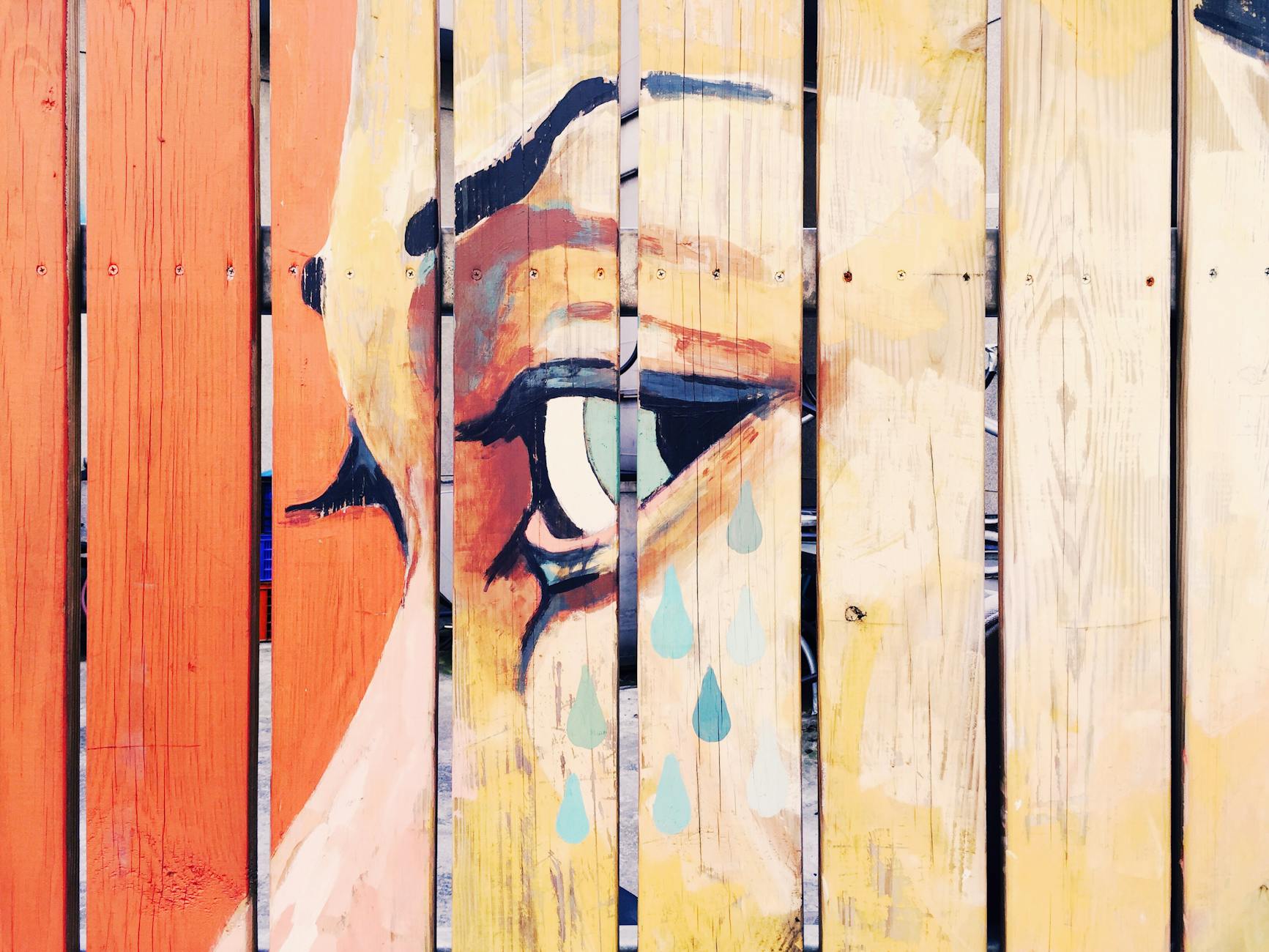
Yes, in a few seconds you’ll probably form an overall impression of a picture’s style and subject, and maybe that’s what you are most likely to remember. You might glance at the painting’s label to see when it was painted or who by. Even a quick gaze around a whole room in a gallery might direct you to just one painting you want even to see close up. Something will stand out, the others you may dismiss. And if time is limited, you want to feel you’ve seen all there is to see. I know I’m more likely to take my time not in a gallery or exhibition but at home, flicking through an art book. Even then, slow looking would not be instinctive to me. I like to move on.
But more and more, taking time is found to boost wellbeing – time to be in the moment, mindfulness, slowing and stilling ourselves. Once it becomes a habit, it can help calm a racing mind, and become a way to recharge, fuel for the journey on. As life gets busier there’s ever more searching for quiet and calm. That’s partly why there’s growing demand for meditation, and slow looking can contribute to this. It’s about taking time out to reflect and go deeper. And looking can be a more inviting way in. If silence feels too raw, gazing at nothing too blank, then art becomes a focus. Accustomed as we are now to constant stimulus, with endless content only ever a tap away, suddenly shutting all that down to be still and reflective can be too big a leap. Using a painting to dwell on can be a halfway house.
Events, talks and exhibitions are all fostering slow looking. At the moment, the National Trust is touring a Rembrandt self portrait to allow more audiences to connect with the painting, encouraging slow looking as they do so. I also heard about a university professor in the USA who asks her students to spend three hours looking at a painting. Now that takes slow looking to another level! It may well be very productive, but I do think it could also become something of an endurance test. It makes me wonder how long an artist would want someone to spend looking at their painting. More than a few seconds, yes, but maybe spend too long and you could lose that first impression, the painting’s essence.
How could slow looking most help wellbeing? Taking time to enjoy the painting’s colours, brushwork, style, to look at light and shade, to reflect on the picture’s mood and atmosphere and its choice of subject. All of this is absorbing and stimulating, drawing you in to new thoughts, drawing you out of yourself for a while. Whatever painting you choose, it is something that stands alone, out of time, and may be totally new to you. Different styles or genres may have distinct impacts – a colourful abstract might be more restful, or a crowded genre scene more stimulating. Maybe simply looking at the picture is most mindful, or maybe learning how, why or when it was painted would help you dwell on the painting for longer, and open up more to think about so that slow looking becomes more of an escape from everyday life.
Or maybe another form of slow looking is about exploring what the painting might have to say about life issues – how paintings express mood or feeling, or how they make us feel and respond. Conversations About Art https://medley.live/conversations is a course I’ve produced that encourages people to reflect and/or talk about life, wellbeing and mental health through looking at famous paintings.
Another alternative for slow looking is to try copying or reproducing the painting yourself (once the law allows, seventy years after a painter’s death). Where someone struggles to concentrate or slow down, making this a creative activity is more likely to hold attention. I usually prefer to draw or paint my own ideas, but when I do copy occasionally, I know I spend longer with the painting and observe far more.
What do you think? Would slow looking help your wellbeing?
 Medley