As we adjust to Covid-19 for the long haul, uncertainties has become one of few certainties. And uncertainty over communal music-making at this time throws up questions on music’s impact on wellbeing. Is it the music itself which helps or the opportunities it creates to interact with others? Is hearing or performing music alone equally beneficial as gathering with others to listen or to play?
On the one hand, the BBC Proms’ return to live concerts for their last fortnight signalled progress. But on the other hand, hearing the Last Night of the Proms play from a near-deserted Royal Albert Hall highlighted how slow that progress has to be. Gone was the festive atmosphere, full of life and barely-suppressed excitement. Instead, conductors and musicians spoke (on the BBC Radio 3 broadcast) of their yearning to see audiences return.
I still remember Sakari Oramo’s speech as conductor at the 2019 Last Night of the Proms, in which he talked about the power of live music as demonstrated by the crowds which turn out for the event year upon year. He would little have imagined then that his successor this year, Dalia Stasevska, would conduct behind closed doors.
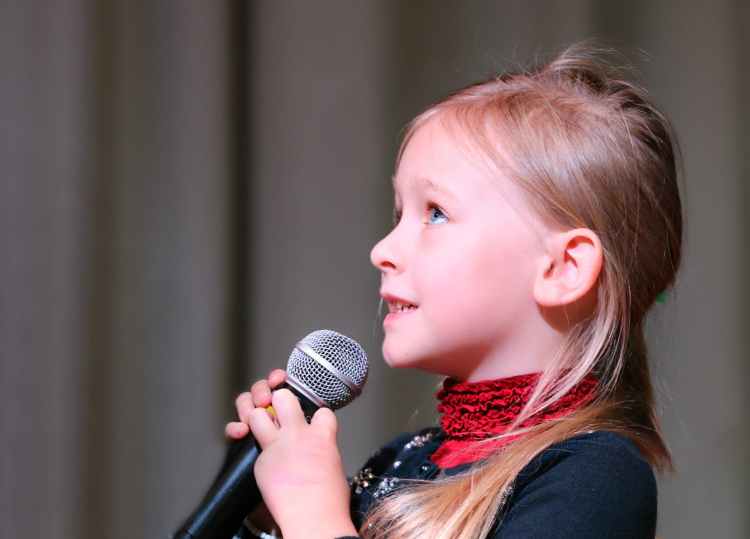
Music still has an undoubted impact, as proven by the way people have engaged with music online throughout the pandemic, with initiatives drawing on new participants all the time. Virtual music-making may be different, but clearly it is still needed. Do these initiatives prove most helpful when they are interactive? Responses to music (like clapping or dancing) can help wellbeing: autistic children and young people can find this liberating. Do people respond more like this in a group, or might they feel more free to respond alone?
I know people’s motivations differ when they attend music, art or nature groups. For many, the priority is creativity or nature connection. For others, the focus is on shared experience and a feeling of community. And obviously the two may interweave. One aim of specific music therapy across different circumstances (from autism to dementia and mental health to name but three) is to enable people to express themselves and to communicate more easily. This makes interacting through music integral. Singing and music-making to improve aphasia following a stroke may also be communal. The groundbreaking El Sistema has spawned group music-making across the UK for children and young people who might have few other opportunities to play. From Sistema and The Big Noise to In Harmony, these initiatives draw young people together across a community. They are intrinsically communal.
Then came coronavirus, creating new barriers. Barriers which cast into focus the point where music as medicine and music as community meet. How differently do we respond to music alone or with others? Is singing more dependent on community than playing an instrument would be? How are participatory groups and choirs to weave together different needs? Maybe you could share thoughts, responses or experiences on the Medley forum at https://medley.forumotion.com ? The absence of community could become an opportunity to learn more about music’s diverse impacts on us all.