
Creativity plays an important part in many care homes – and so too does community. With care homes running varied activities most days, alongside the quizzes, outings and bingo there are lots of music, arts and crafts. This week is Care Home Open Week, and I’ve heard people sharing how they feel about the prospect of living in a care home, the positives and the negatives. Feeling supported, safe and understood – or feeling shut away, closed off, dependent. Out of sight, out of mind. Of course any care home is a community of its own, and dedicated staff use real imagination & initiative to boost wellbeing. But it’s also so important that events like Care Home Open Week highlight and reinforce the community links that most care homes do foster.
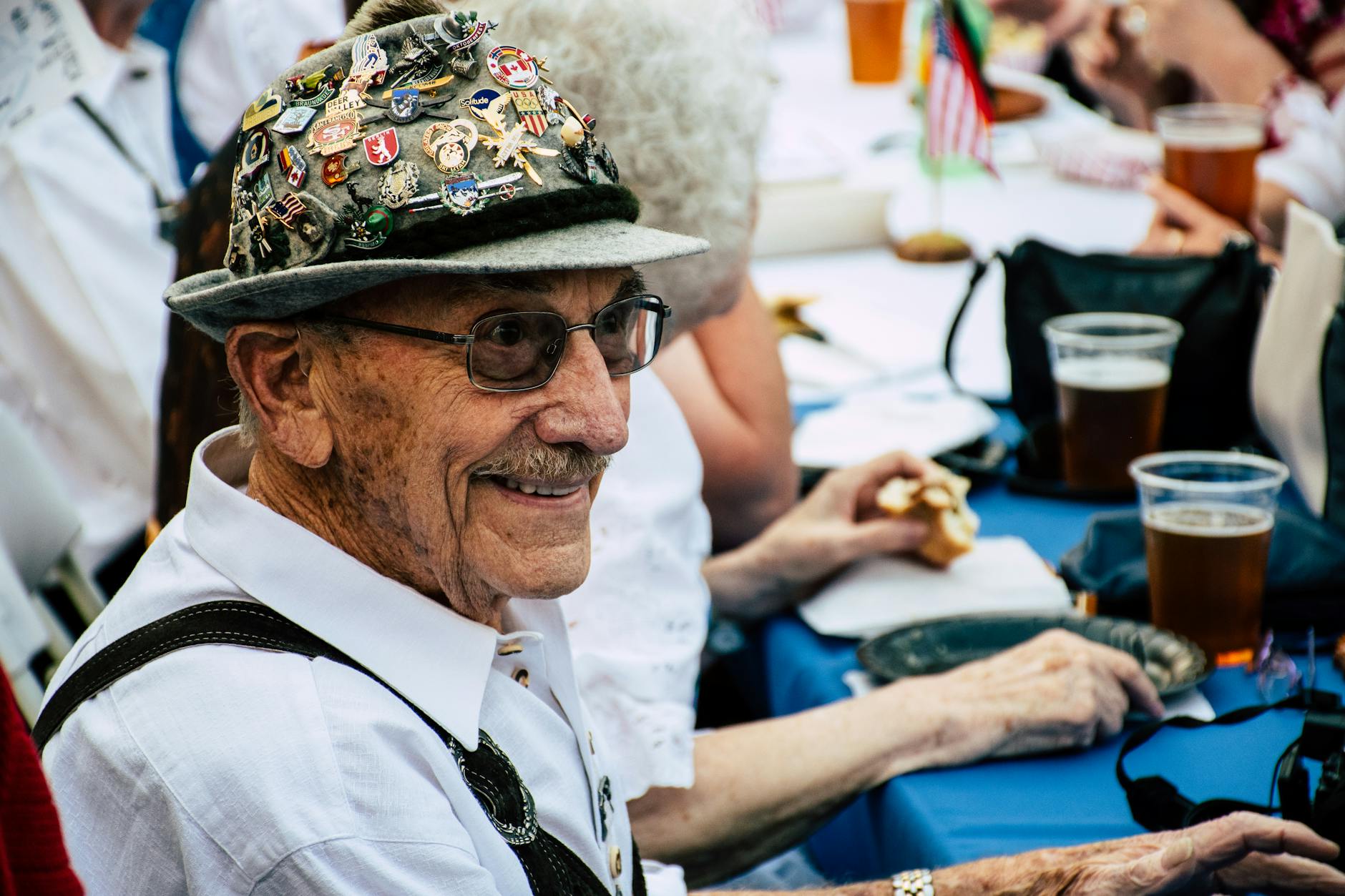
None of us like to feel left out or left behind, at any age. Research by the Campaign To end Loneliness and Sanctuary Care this year showed that feeling connected to your local community gives a sense of belonging, safety and support. And while you might think loneliness is unlikely living in the communal setting of a care home, it’s an under-researched issue, and there are indications that it can even be more of a problem among care home residents than older people who live independently.
That’s why throwing care home doors open wide is so positive.
And creativity can be one way to help strengthen and restore community ties. There are music initiatives where choirs and performers go into care homes to sing or play. There’s an organisation that gets primary school pupils to read stories to care home residents. And this year I’ve started the Make To Give initiative, arranging for community groups and children’s clubs to make handmade greetings cards to give to care homes local to them (https://medley.live/mtg)
Creativity can become common ground and a tangible way to share and connect. But of course there are also many other ways to open up care homes, whether that’s with therapy animals (likedogs or even Shetland ponies!) or befriender visiting, like YOPEY Dementia Befriender’s wonderful work.
Care home residents may be frail and unwell, and need support and care – but they also need stimulus (proven to be particularly important for people who have dementia) and something to do when they are unable to spend time on usual everyday tasks. The more communities remember the care homes in our midst, the more positive an experience care home living can become.
I remember a lady saying that when her husband’s Alzheimer’s progressed and he moved to a care home, he became more relaxed, because he felt understood and wasn’t having to play a part. That shows just how care homes can be a haven, a port in the storm. And that haven needs community to be the best it can be.
 Medley