
What is your first thought when you hear the word “earth”? Is Planet Earth somewhere you take for granted, a backdrop to your life that you assume will go on as it is? Can you still enjoy nature unclouded by earth’s issues? Or has dread of what’s ahead come to overshadow that experience? Maybe how you feel differs each day.
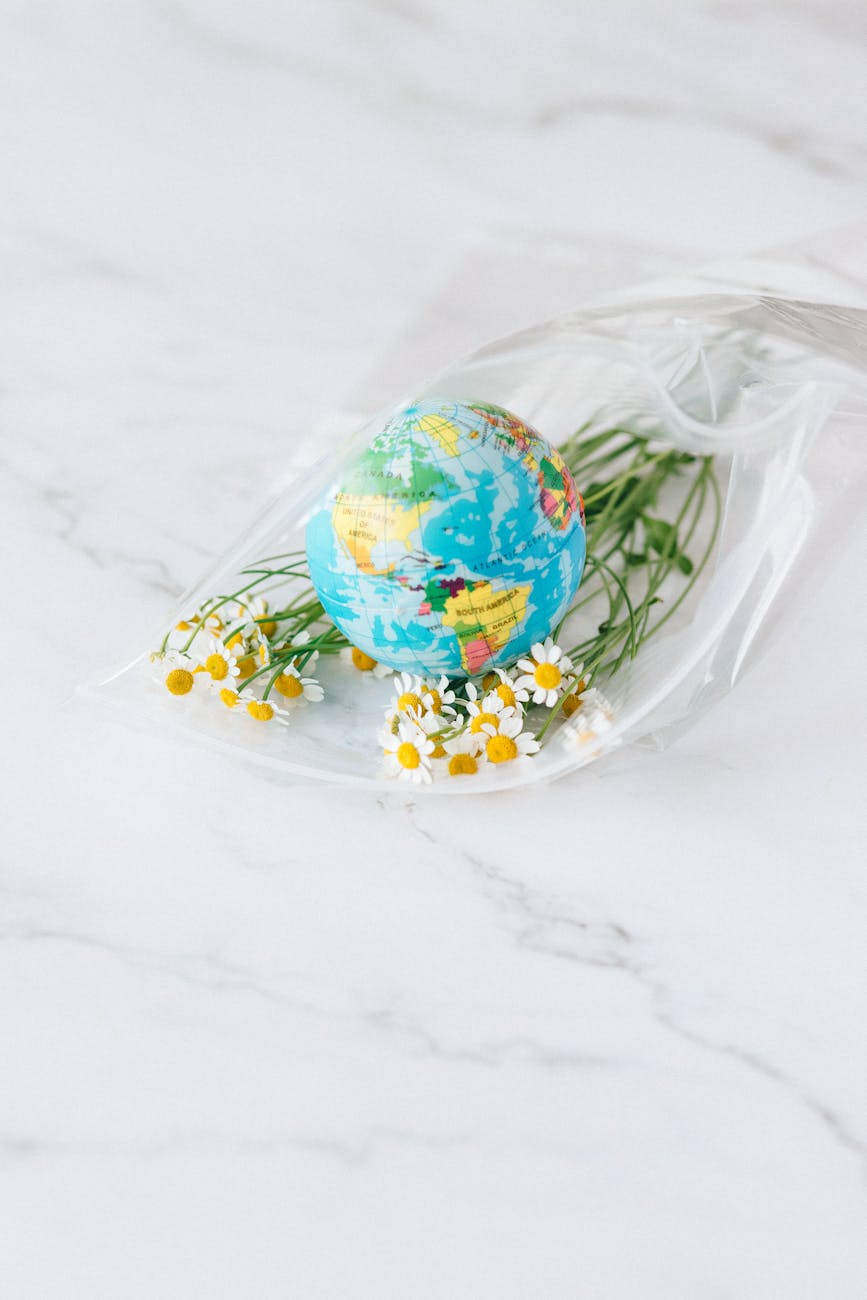
Since it was founded back in the 1950s, Earth Day has been observed on 22 April each year. You could say that every day should be Earth Day, for what is earth if not our home, the planet on which we depend day to day for all our bodies need and demand? But like all commemorative and special days and weeks, Earth Day serves to raise awareness and create a space for debate. As climate and nature emergency have become more widely acknowledged, but net zero proves a divisive issue, Earth Day takes us back to what it’s all about.
One way to focus on what matters most, to reflect and discuss and express, is through creativity. Following climate and nature reports in the media can be confusing, even overwhelming, and there’s a lot to absorb. Creativity turns that around so we become productive and active. For me, that’s one of creativity’s most positive impacts in general: being creative on any theme is something tangible to do and reduces overthinking or apathy. That’s why I think a creative response to climate and nature issues can be so helpful. Time spent wondering about facts and figures or worrying about the latest dire predictions can be just as well spent, if not better, using art and craft to explore these issues.
Take eco grief. Do you feel deep sadness about biodiversity loss, the likely impacts of a warming planet, or plastic pollution? Many people do now, and like any form of grief or bereavement, eco grief can produce feelings of anger, disbelief and despair. It can also be a profoundly lonely experience, if you feel others do not share or understand your grief. Art and craft can help you lament, a traditional word that’s all about expressing and exploring grief, not shutting it away. Giving yourself the time and opportunity to wade through the flood waters, to let the rain fall on you, to face what is happening head on. Visualize what you mourn about the climate and nature emergency – imagine a place, an ecosystem, a scene, maybe before and after – a thriving scene full of life, become a desolate, bare space. Draw or paint or create a collage of what you visualize. Experiment and don’t hold back. You could cut up your artwork when you’ve finished, or throw paint over it, or scrawl all over it, to symbolize and express your anger or bitterness.
Art and craft can also help you celebrate what remains, or what once was, remembering nature’s continuity and beauty, and motivating you not to give up hope that change may come, at whatever level.
And art and craft can become ways to re-imagine. Picture what the change we need would look like. Use this to call and lobby for action, but also to embody this change in little everyday ways. Craftivism gives many people something specific and concrete to hold on to. Make a banner, or an imaginative card to send to local decision makers, take part in a craftivist campaign, make a bug hotel, or get into upcycling, repurposing and support a repair cafe.
Creativity can usher in change we do want, and help us resist the change we don’t want – within and without.
 Medley