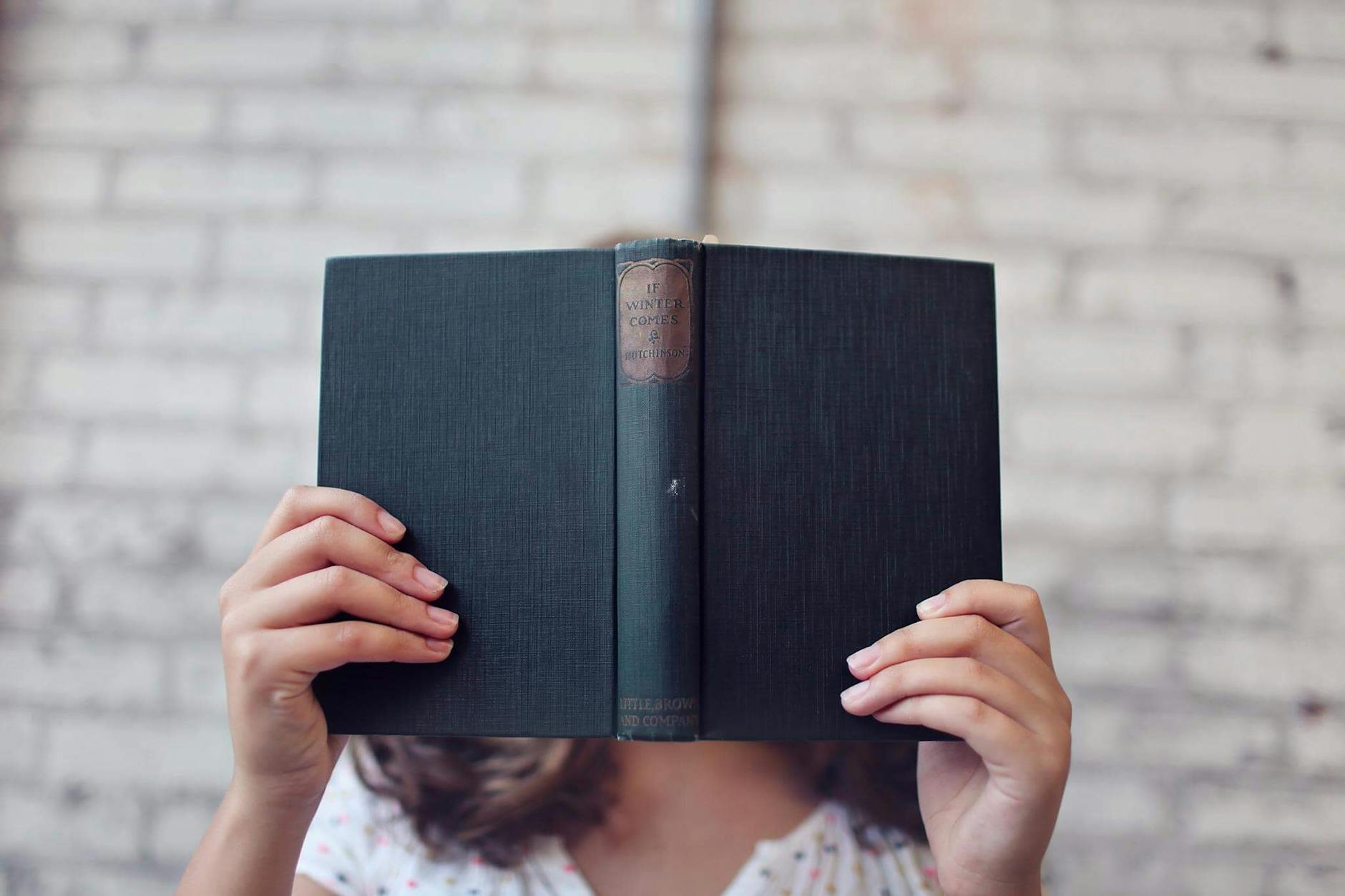
Why do you read? What spurs you to turn to a book? Do you read to learn, to relax, to spend time, to escape, to laugh, to reflect? Maybe for all these things at different times. Or maybe you have never got into books, or used to enjoy them but now struggle to concentrate. Never have there been so many ways to read – e books, audiobooks, traditional print books. Audiobooks in particular have boomed.
Why do I read? Usually for stimulus – characters, a plot to follow, or facts to learn and think about. As a child I preferred fiction, as a younger adult I preferred non-fiction, now in early middle age I like fiction and non-fiction alike. I don’t always read cover to cover but I enjoy turning back to the classics, like Jane Austen or the Brontes or Dickens, as well as discovering newer books – memoir, travel, art, environment. I also still enjoy children’s classics, which might be nostalgia but I think is more about the strength of the plots and atmosphere.
A new book by Daisy Buchanan is now out, and it has a wonderful title: “Read Yourself Happy: How To Use Books To Ease Your Anxiety”. I like the title because it’s practical and productive, and with anxiety now so common, exploring different everyday ways to destress feels more important and urgent than ever. It’s also empowering – Read Yourself Happy – something you can do for yourself, self help, taking control in small ways. I haven’t yet read Daisy Buchanan’s book, but wonder what she suggests, how she compares book genres or reading habits, and what she finds helps most.
If reading is a common hobby, then most other hobbies can also boost happiness and wellbeing, whether it be baking, craft or yoga. I was wondering how I would compare, say, how reading and art impact my mood and wellbeing in different ways. With reading, I’m on the receiving end. All I have to do is sit and read, let the words come in. That can be restful, or energising, but most of all it’s simple and straightforward. Art demands more to start with – thinking what to draw or paint, setting out materials, clearing away at the end. And yet once begun it’s creative, productive and varied, a time to enjoy colour and form and line, with something to show for your time at the end (unless it’s a complete disaster!). I find art more absorbing – I can spend hours drawing, painting or crafting, but would rarely want to read for more than half an hour at the most. In a novel I prefer dialogue and have to admit that I skim through long passages of description.
In fact, “absorb” is one of five words I usually use to explain how I feel art improves wellbeing. How do the others relate to reading? Yes, like art, books can “root” us in life (as we explore or discover more about subjects that matter to us), “ground” us (as an escape or haven, something to quieten overthinking), help “express” how we feel (as we empathise with a character or think more about an experience or memory), and “connect” us in community (through sharing a love of reading, perhaps in a book club). Which of these words could you choose to build on, so that you use your reading habit actively to feel better?
A.L. Kennedy has just presented a series on Radio 4 and BBC Sounds entitled “Reading Journeys” – reflecting how books can “magic us away” and transport us to other times and places in ways that feel very real. Maybe that’s reading’s best gift of all.
Do share any thoughts you may have in Medley’s Facebook group Medley | Facebook
 Medley