
Do you ever think about how the built environment impacts on your wellbeing, wherever you are? It’s so easy to take for granted, seeing familiar buildings and streets, day in, day out, we forget that how they look isn’t inevitable. Whether it’s your house or flat, your school or place of work, your care home, your community centre, or your high street, your built environment matters.
Living in towns or cities, built environment is obviously ever present. But in rural areas too, it matters. Harmony with the natural environment and with the rest of the built environment is integral, whatever the location. In an urban setting it might be all the more important to integrate design with green space, to ensure there feels space to breathe. The smallest outdoor spaces can be planted up, nature in microcosm.
This autumn the RIBA Stirling Prize 2023 for Best New Building was won by a care and assisted living development in London. The judges cited how the building demonstrated that design can encourage wellbeing and a sense of belonging, and lift spirits. For example, covered walkways were incorporated into the design to link communal areas.
What would you like your built environment to be like? There’s design: every individual building’s design and what it is built with. Then there’s wider layout and overlap with town planning. A particular building might be attractively designed and constructed using sustainable materials, but if the setting is overcrowded then the impact will be less. Issues like traffic flow and air, noise and light pollution are also vital.
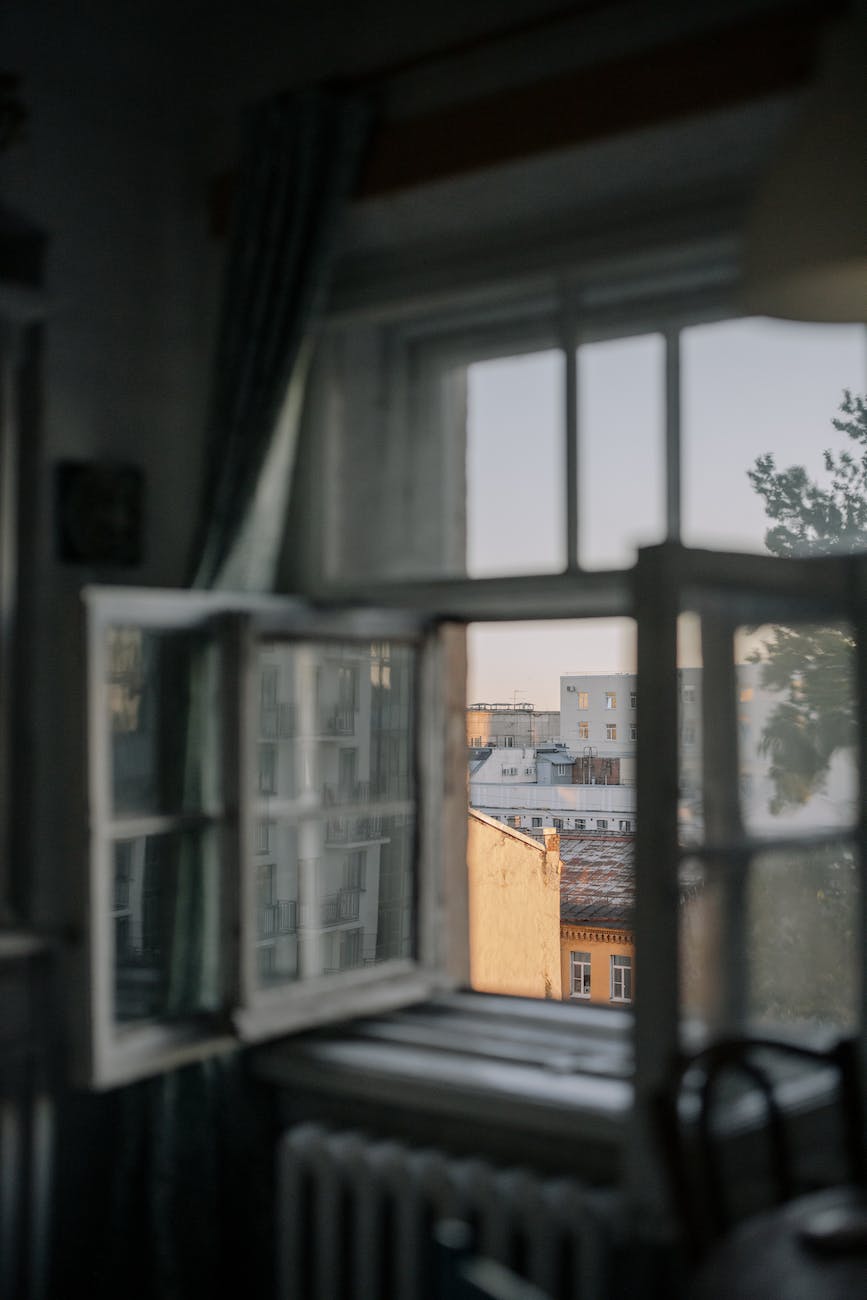
Important design features for individual buildings could be creating large south-facing windows to let in sunlight. Then the view through those windows matters too, and could be improved with windowboxes or planters of flowers. Few of us can directly design or build, but interior design can also make a real difference, simple additions like colourful walls or stenciled decoration.
I feel strongly that natural light would improve the interiors of many modern public buildings which can be oppressive and enclosed – these might be hospitals or offices or warehouses.
Built environment also impacts on how we interact with our community, as in the prize-winning complex in London. Spaces for recreation or gathering can help.
Visual impact may be the most obvious overall – an ugly or beautiful building, green spaces, no view. But there are other sensory impacts – buildings and their materials may be noisy or not encourage good air flow or feel too hot or cold.
If the built environment is well designed and constructed, it can make wherever you live or work or spend time a positive place to be – practical, light, colourful, cheerful, open and airy. If it isn’t so well designed, it can be depressing, soulless, inaccessible, overcrowded, dark, stifling. If you’re in that space everyday, or just sometimes, it can sap energy or drag you down. How have you found design and the built environment impact your wellbeing? It would be great if you have any thoughts or experiences to share in Medley’s Facebook group https://www.facebook.com/groups/359291215486002 Thank you.
 Medley
An ACCESSIBLE built environment would be lovely for a change. Of course people who are mobility, visually or hearing challenged are going to be affected by a built environment designed exclusively for non disabled people!
LikeLike
Absolutely, such an important issue, thank you for sharing
LikeLike